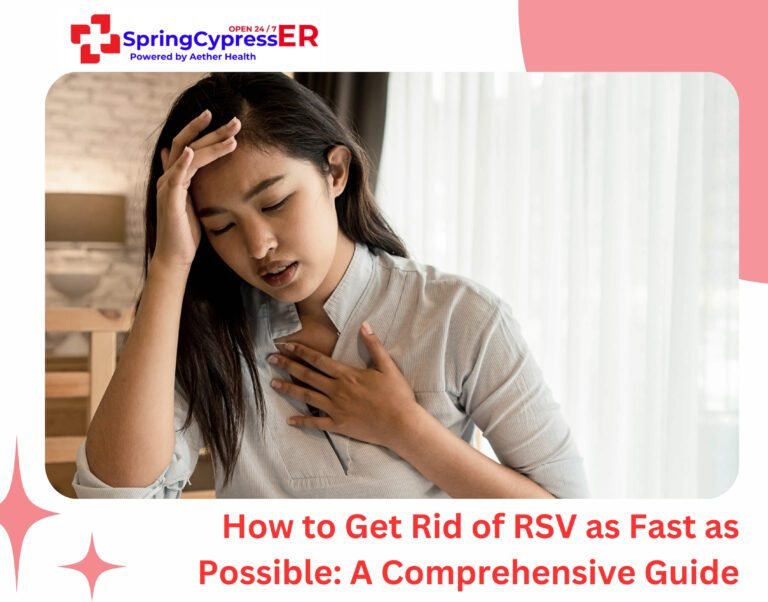
RSV (respiratory syncytial virus) is spreading rapidly, especially during peak winter months, and many people underestimate how quickly it can worsen. While it often starts like a mild cold, RSV can escalate into serious breathing problems within hours in high-risk individuals.
Understanding rsv symptoms adults, how the virus spreads, and how to treat rsv in adults early can prevent complications like bronchiolitis or pneumonia. Another common concern people have is: is rsv contagious? The answer is yes, and it spreads easily through close contact.
With the right care and early action, most RSV cases can be managed safely at home.
How to Get Rid of RSV Fast
There is no instant cure for RSV, but symptoms can be managed effectively. The fastest way to recover includes staying hydrated, getting adequate rest, clearing airways, and using supportive treatments like humidifiers and fever reducers.
Early care is key to preventing RSV from progressing into severe respiratory illness.
What Is RSV and How Long Does It Last?
Respiratory syncytial virus (RSV) is a common respiratory infection that affects millions each year. Most people begin to improve within 7–14 days, although a lingering cough can persist for a few weeks. Symptoms usually peak around days 3–5 before gradually easing.
While RSV often feels like a bad cold in healthy adults, it can be far more serious for infants, young children, older adults, and individuals with weakened immune systems or chronic health conditions. In these groups, RSV may lead to more severe breathing problems and require timely medical care.
Is RSV Contagious?
Yes, RSV is highly contagious and spreads through respiratory droplets when an infected person coughs, sneezes, or talks.
You can also catch RSV by:
- Touching contaminated surfaces
- Close contact with infected individuals
- Touching your face after exposure
Most people are contagious for 3–8 days, but infants and immunocompromised individuals may spread the virus for longer.
RSV Symptoms in Adults
RSV symptoms adults often experience are similar to a severe cold but can become more intense over time. Common symptoms include:
- Runny or congested nose
- Persistent cough
- Sore throat
- Fever
- Fatigue and weakness
- Wheezing or shortness of breath
In older adults or those with underlying conditions, symptoms may worsen and lead to chest infections or breathing difficulties.
How to Treat RSV in Adults: 7 Proven Ways to Recover Faster
Below are the evidence-based methods proven to help the body fight RSV and shorten the duration of symptoms.
1. Drink More Water Than You Think You Need
Hydration is your most powerful tool against RSV. Here’s why it works:
- Thins mucus, making it easier to clear from the airways.
- Supports your immune system’s virus-fighting capabilities.
- Prevents dehydration from fever and reduced appetite.
- Soothes irritated throat tissues.
Action steps:
- Adults: Drink 8-10 glasses of water daily, more if you have a fever.
- Children: Offer fluids every 30-60 minutes while awake.
- Infants: Continue normal feeding schedule, add small amounts of electrolyte solution if recommended by doctor.
- Try warm liquids like herbal tea, broth, or warm water with honey (for children over 1 year).
2. Rest Is Non-Negotiable
Your body fights RSV most effectively during rest. Sleep deprivation weakens immune response and prolongs illness.
How to maximize rest:
- Take sick days from work or keep children home from daycare.
- Aim for 8-10 hours of nighttime sleep.
- Add daytime naps or quiet rest periods.
- Avoid strenuous activities until symptoms improve.
3. Use a Humidifier Correctly
Cool-mist humidifiers add moisture to dry air, which helps:
- Loosen thick mucus.
- Soothe inflamed airways.
- Reduce coughing, especially at night.
- Make breathing more comfortable.
Best practices:
- Place a humidifier near your bed (but not too close).
- Keep room humidity between 30-50%.
- Clean the humidifier daily to prevent mold growth.
- Use distilled water when possible.
4. Clear Nasal Congestion
Blocked nasal passages make breathing difficult and prevent proper rest.
For infants and young children:
- Use saline nose drops before feedings and sleep.
- Gently suction with a bulb syringe or nasal aspirator.
- Apply drops 15 minutes before suctioning for best results.
For older children and adults:
- Use saline nasal sprays throughout the day.
- Try saline rinses or neti pots (with sterile water only).
- Blow your nose gently, one nostril at a time.
5. Elevate Your Head While Sleeping
Sleeping flat makes congestion worse. Elevation helps mucus drain naturally.
How to do it safely:
- Adults: Use 2-3 pillows or a wedge pillow.
- Children over 1 year: Add one extra pillow.
- Infants: Place a wedge under the crib mattress or elevate one end slightly (never use pillows in cribs).
6. Manage Fever and Pain Appropriately
Reducing fever helps you feel better and rest more comfortably.
- Use acetaminophen or ibuprofen.
- Follow the dosing instructions based on weight for children.
- Never give aspirin to children under 18.
- Call the doctor for a fever over 104°F or any fever in infants under 3 months.
7. Create Steam for Respiratory Relief
Steam temporarily loosens mucus and soothes airways.
- Sit in a steamy bathroom for 10-15 minutes.
- Lean over a bowl of hot water with a towel over your head.
- Take a warm shower.
- Repeat 3-4 times daily for best results.
Foods That Support Faster RSV Recovery
Food becomes part of the answer to ‘how do I get rid of RSV asap?’ because proper nutrition supports the immune system while the body clears the virus. Best foods for RSV recovery include:
- Chicken soup (anti-inflammatory properties proven by research)
- Citrus fruits (vitamin C supports immune function)
- Berries (antioxidants fight inflammation)
- Leafy greens (nutrient-dense, easy to digest)
- Ginger tea (reduces inflammation, eases nausea)
- Warm broth (hydration plus nutrients)
When RSV Requires Medical Attention
Most people recover from RSV at home, but certain symptoms need immediate medical care. Call your doctor or seek emergency care if you notice:
In infants and young children:
- Breathing faster than 60 breaths per minute
- Flaring nostrils or grunting with breathing
- Skin pulling in around the ribs with each breath
- Bluish color around the lips or fingernails
- Extreme fussiness or lethargy
- Fewer than one wet diaper every 8 hours
- Refusing to eat or drink
In adults and older children:
- Severe difficulty breathing or shortness of breath
- Persistent high fever above 103°F
- Chest pain or pressure
- Confusion or extreme weakness
- Symptoms improving, then suddenly worsening
- Dehydration (dark urine, dizziness, dry mouth)
High-risk individuals should contact doctors early:
- Infants under 6 months
- Adults over 65
- People with asthma, COPD, or heart disease
- Anyone with a weakened immune system
What Doesn’t Help With RSV Recovery
Certain treatments offer little to no benefit for RSV and may even create unnecessary risks.
- Antibiotics are ineffective because RSV is a viral, not bacterial infection. They do not shorten the illness and may lead to unwanted side effects.
- Over-the-counter cough and cold medications are not recommended, especially for children under 4, due to limited effectiveness and potential safety concerns.
- Vitamin supplements are unlikely to speed recovery unless a true deficiency exists. Extra vitamins do not shorten the course of viral infections.
Environmental Factors That Influence Recovery
The surrounding environment plays a meaningful role in how do I get rid of RSV asap. Creating a supportive recovery setting can ease respiratory discomfort and help prevent complications.
To optimize the environment:
- Maintain a cool, comfortable room temperature (around 68°F).
- Eliminate all exposure to cigarette smoke, as it worsens airway irritation.
- Minimize air pollution exposure when possible.
- Keep the space clean but not overly sanitized, avoiding strong chemical odors.
- Ensure proper ventilation to promote easier breathing.
How to Prevent RSV Spread
Because RSV is highly contagious, consistent hygiene practices help limit transmission within households.
- Wash your hands thoroughly for at least 20 seconds.
- Cover coughs and sneezes with a tissue or elbow.
- Avoid sharing utensils, cups, or towels.
- Disinfect frequently touched surfaces regularly.
- When feasible, keep sick household members separated from those at higher risk.
Vaccination
For infants
- Maternal RSV vaccination during pregnancy
- Nirsevimab (Beyfortus) antibody injection for newborns during the RSV season
For adults
- RSV vaccine for people over 60 or with chronic illnesses
- Avoiding sick contacts
- Handwashing and surface cleaning
Final Thoughts
Knowing how do I get rid of RSV asap is about preventing a manageable viral infection from turning into a medical emergency. There isn’t a quick cure for RSV, but you can support faster recovery by keeping the airways clear, staying well hydrated, and getting good rest. If symptoms worsen or you’re in a high-risk group, visit your nearest emergency room.
ER of Spring offers 24/7 emergency evaluation, onsite testing, breathing support, and immediate treatment for RSV complications. With proper home care and timely medical support, most people recover within two weeks and get back to normal breathing.
FAQs
1. Is RSV contagious?
Yes, RSV is highly contagious and spreads through droplets and surface contact. It can spread even before symptoms fully develop.
2. What are RSV symptoms in adults?
RSV symptoms adults experience include cough, congestion, fatigue, fever, and sometimes wheezing or shortness of breath.
3. How to treat RSV in adults?
Treatment includes rest, hydration, humidified air, fever management, and clearing airways. Severe cases may require medical care.
4. How long does RSV last in adults?
Most cases improve within 7–14 days, though cough may linger longer.
5. When should I worry about RSV?
If you experience breathing difficulty, high fever, or worsening symptoms, seek medical attention immediately.