
Arrhythmia: Irregular Heartbeat Treatment | Spring Cypress Tx
An irregular heartbeat, also known as an arrhythmia, can occur when the heart beats too fast, too slowly, or with an abnormal rhythm. While some irregular heartbeats are harmless and temporary, others may indicate a serious heart condition that requires immediate medical attention. Recognizing the warning signs and seeking prompt emergency care can help prevent potentially life-threatening complications such as stroke, heart failure, or cardiac arrest.
At Spring Cypress ER, our experienced emergency physicians provide rapid evaluation and treatment for patients experiencing irregular heartbeats. Using advanced diagnostic technology and continuous cardiac monitoring, we work quickly to identify the underlying cause and begin appropriate emergency treatment when needed
Comprehensive Arrhythmia Care in Spring, TX, and Nearby Areas
When it comes to your heart health, every second counts. At Aether Health – Spring Cypress ER, we specialize in diagnosing and treating irregular heartbeats, ensuring patients from Tomball, Klein, Hufsmith, and surrounding areas receive fast, expert care, including abnormal heart rhythm treatment near me
Our board-certified specialists focus on understanding the cause of your arrhythmia, whether it’s tachycardia, bradycardia, or another heart rhythm disorder. With advanced diagnostic tools and personalized treatment plans, we help patients regain peace of mind.
Types of Irregular Heartbeats
Tachycardia
Tachycardia occurs when the heart beats faster than 100 beats per minute while at rest. Although physical activity and stress can temporarily increase heart rate, persistent tachycardia may indicate an underlying heart condition. Depending on the cause, rapid heart rhythms can reduce the heart’s ability to pump blood efficiently and require emergency evaluation
Bradycardia
Bradycardia refers to a resting heart rate below 60 beats per minute. While some healthy individuals naturally have slower heart rates, symptomatic bradycardia can decrease blood flow to the brain and other organs. Patients experiencing dizziness, fatigue, confusion, or fainting should seek immediate medical attention.
Atrial Fibrillation
Atrial fibrillation is one of the most common types of arrhythmias. Instead of contracting normally, the upper chambers of the heart beat irregularly and rapidly. This abnormal rhythm increases the risk of blood clot formation, which may lead to a stroke if left untreated. Emergency evaluation helps determine whether immediate rhythm control or additional treatment is necessary
Premature Heartbeats
Premature atrial contractions (PACs) and premature ventricular contractions (PVCs) are extra heartbeats that occur earlier than expected. Many people describe them as skipped beats or fluttering sensations. Although occasional premature beats are often harmless, frequent episodes or symptoms accompanied by chest pain or dizziness should be evaluated promptly.
Ventricular Arrhythmias
Ventricular arrhythmias originate in the lower chambers of the heart and are considered among the most serious rhythm disorders. Conditions such as ventricular tachycardia and ventricular fibrillation can rapidly become life-threatening and require immediate emergency treatment to restore a normal heart rhythm.
What Causes Irregular Heartbeats?
An irregular heartbeat (arrhythmia) occurs when the heart’s electrical system malfunctions, leading to abnormal rhythms. Common causes include:
- Heart Conditions: Conditions like coronary artery disease, heart attacks, and valve disorders can trigger arrhythmias.
- High Blood Pressure: Chronic hypertension increases the risk of heart rhythm problems.
- Thyroid Disorders: Both overactive and underactive thyroid conditions can disrupt the heart’s electrical activity.
- Electrolyte Imbalances: Low or high levels of potassium, calcium, or magnesium can interfere with heart signals.
- Stress and Lifestyle Factors: High stress levels, excessive caffeine, nicotine, or alcohol use may lead to palpitations.
Residents in Willowbrook, Louetta, and Avonak can trust us to identify and treat the root cause of their heart rhythm concerns with reliable irregular heartbeat treatment near me services
Symptoms of Arrhythmia: When to Seek Help
Recognizing the symptoms of irregular heartbeats is critical for preventing complications. Visit Aether Health – Spring Cypress ER for Irregular Heartbeat Treatment if you experience:

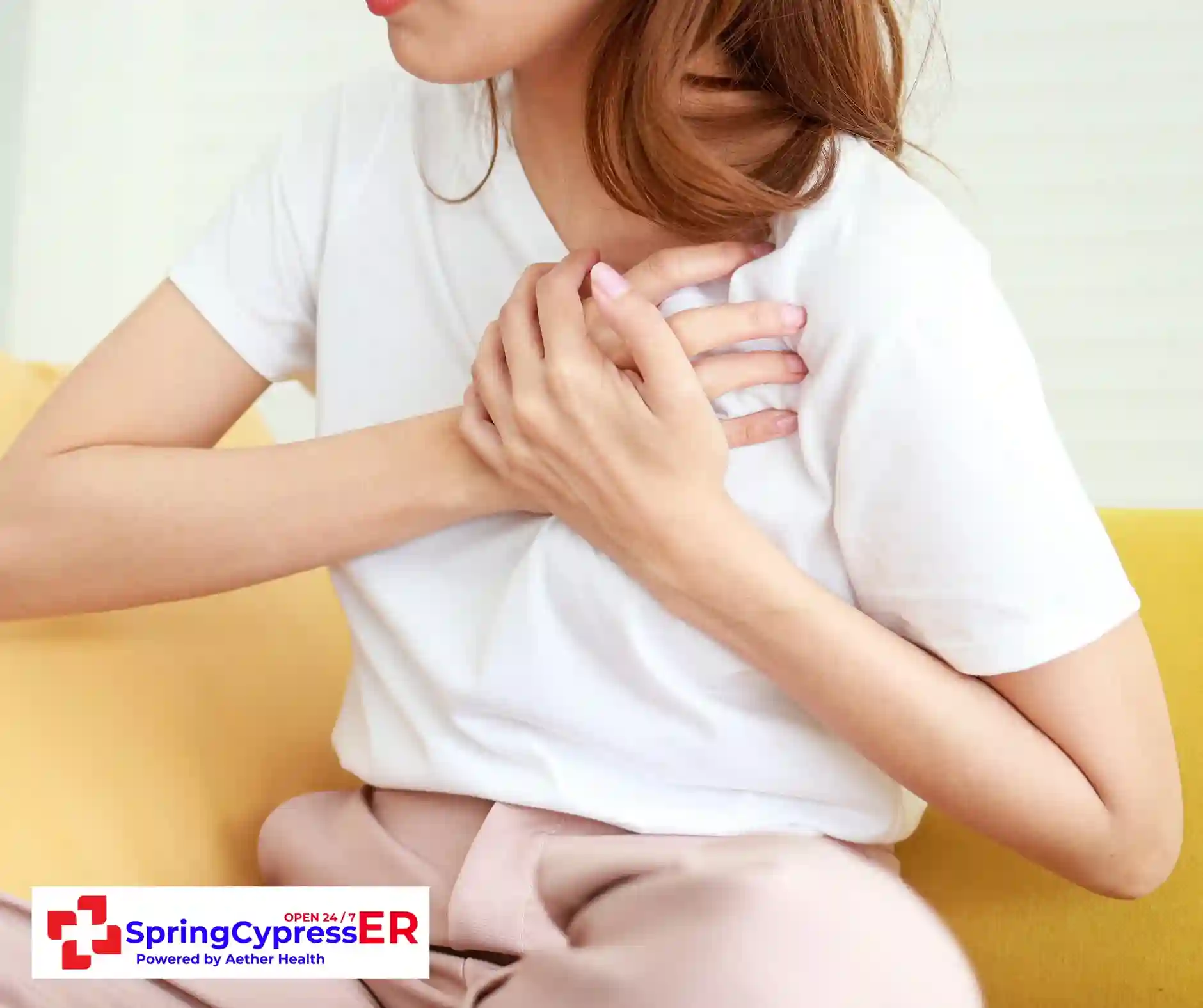
Palpitations
A fluttering or pounding sensation in the chest.
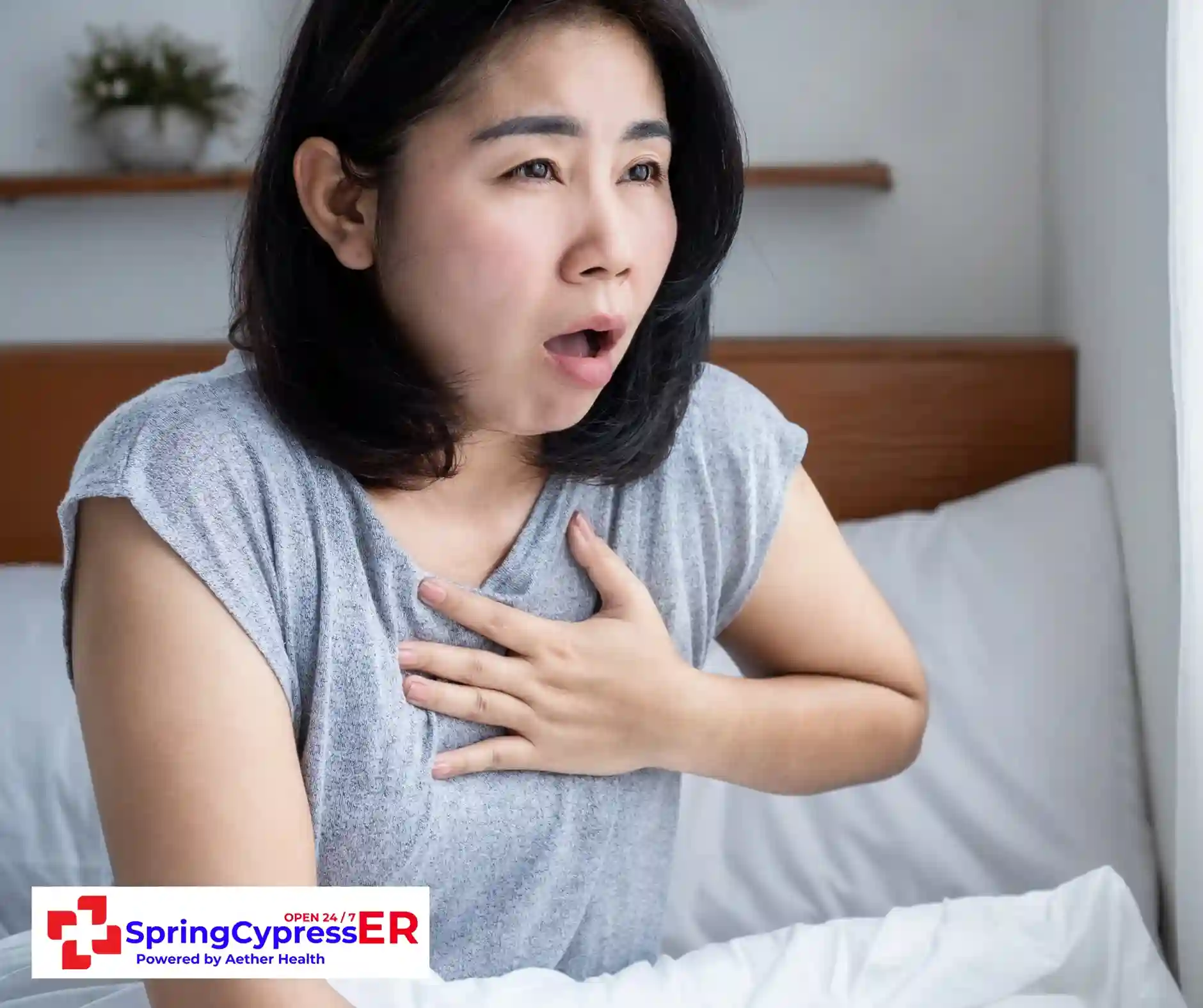
Shortness of Breath
Difficulty breathing at rest or during activity.

Dizziness or Fainting
Feeling lightheaded or sudden loss of consciousness.
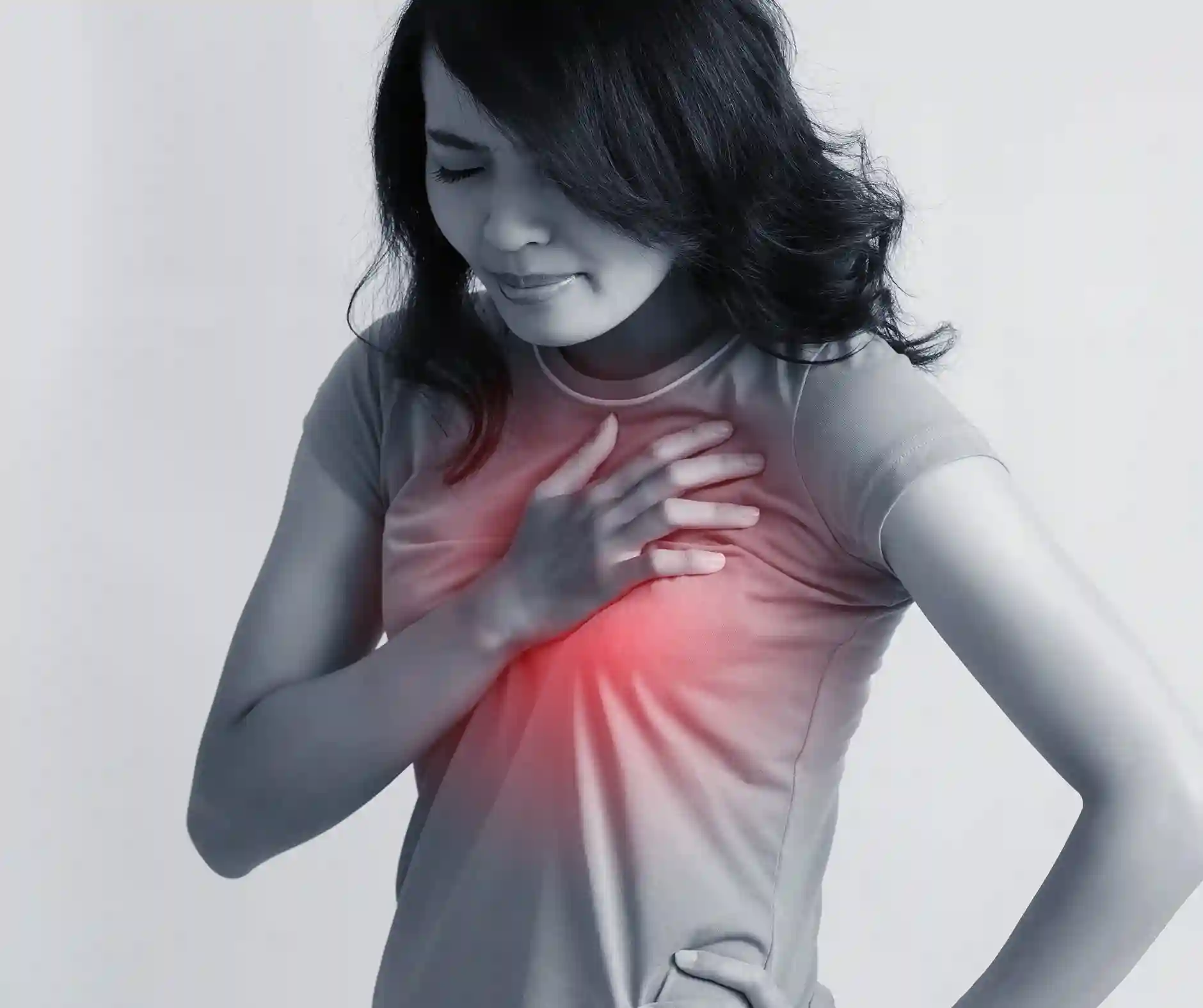
Chest Pain
Discomfort often mistaken for a heart attack.

If you’re in Kohrville, Greenwood Forest, or Tomball, seek immediate care for these symptoms at a facility offering abnormal heart rhythm treatment near me.
How We Diagnose Irregular Heartbeats
At Aether Health – Spring Cypress ER, we employ state-of-the-art diagnostic tools to pinpoint the cause of your arrhythmia. Our comprehensive evaluation process includes:
- Electrocardiogram (ECG/EKG): Tracks your heart’s electrical signals.
- Holter Monitoring: A portable device to detect irregular rhythms over 24-48 hours.
- Event Monitoring: For longer-term tracking of occasional arrhythmias.
- Echocardiogram: Ultrasound imaging to examine your heart’s structure and function.
- Stress Testing: Measures heart activity during physical exertion.
From Spring to Louetta, we ensure every diagnosis is thorough and accurate, helping those searching for irregular heartbeat treatment near me.
Personalized Irregular Heartbeat Treatment in Spring, TX
Every patient is unique, and so is our care. At Aether Health – Spring Cypress ER, we offer a range of treatments tailored to your specific condition:
- Medications: Regulate heart rhythms and prevent future episodes.
- Cardioversion: A procedure using electrical shocks to restore normal rhythm.
- Ablation Therapy: A minimally invasive option to eliminate abnormal heart tissue.
- Pacemaker Implantation: Treats slow heart rhythms by regulating beats.
- Lifestyle Adjustments: Guidance on managing stress, diet, and physical activity for long-term heart health.
Whether you’re in Hufsmith, Willowbrook, or Gleannloch Farms, our team is here to provide expert care with trusted abnormal heart rhythm treatment near me options
Transparent Pricing for Arrhythmia Care
We understand that unexpected medical emergencies can be stressful. At Aether Health – Spring Cypress ER, we prioritize affordability and transparency. We work with most insurance providers and offer detailed cost estimates before any treatment. Let us help you access the care you need without financial worries while finding reliable irregular heartbeat treatment near me.
Why Choose Aether Health - Spring Cypress ER for Appendicitis Treatment?
Patients across Spring, TX, and nearby areas rely on us because we offer:

24/7 Availability
Always open to handle cardiac emergencies.

Specialized Expertise
Board-certified doctors skilled in treating arrhythmias.
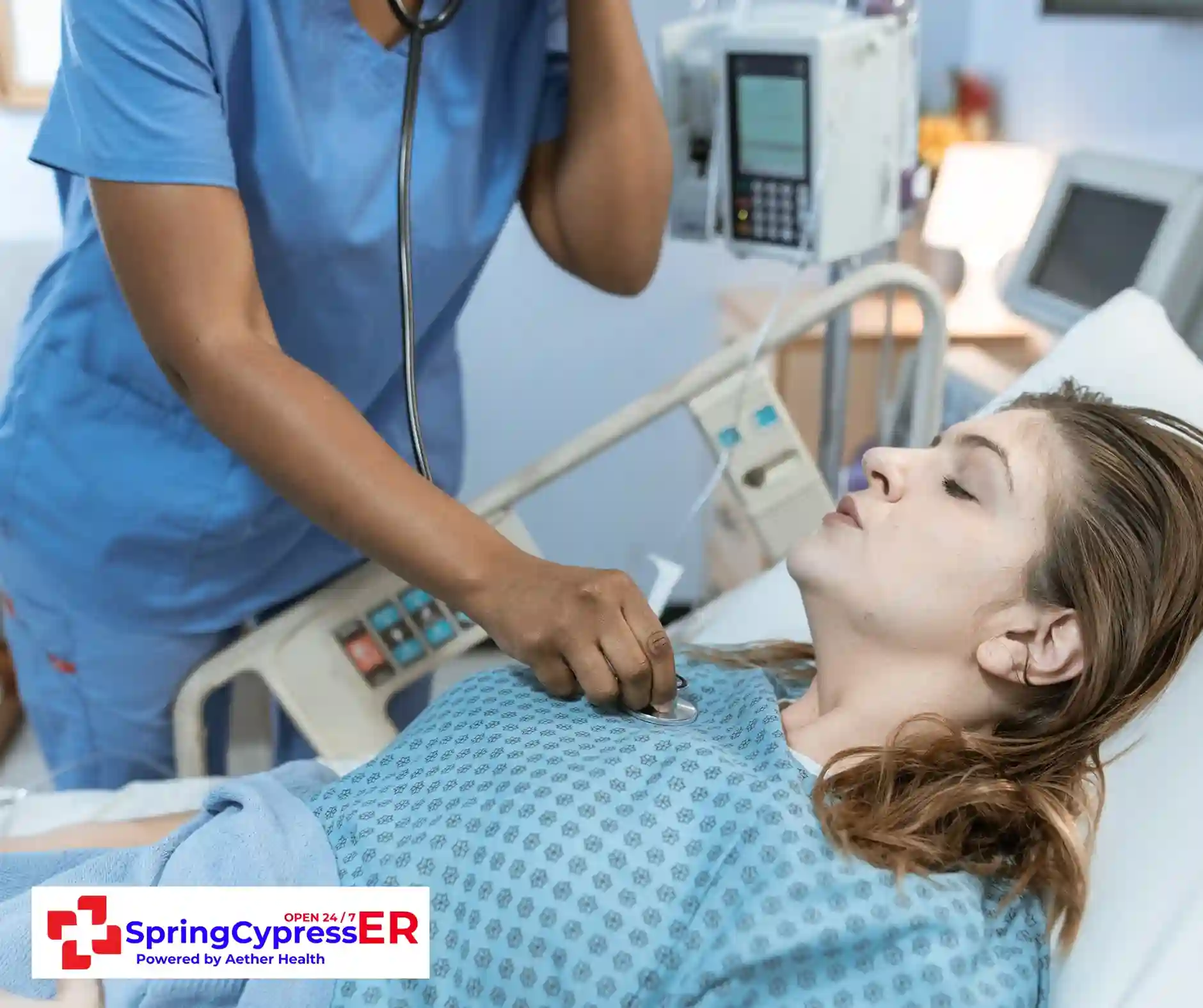
Advanced Technology
State-of-the-art tools for accurate diagnosis and treatment.

Compassionate Care
A patient-centered approach to ease your concerns.
From Tomball to Louetta, we’re your trusted choice for cardiac care.
Contact Us for Irregular Heartbeat Treatment in Spring, TX
When it comes to your heart, every second counts. At Aether Health – Spring Cypress ER, we provide expert Irregular Heartbeat Treatment and other cardiac conditions. Serving Spring, Klein, Hufsmith, and beyond, we’re here to help you feel your best.
Frequently Asked Questions
What is an arrhythmia?
An arrhythmia is an irregular heartbeat that disrupts the normal rhythm of the heart.
Is an irregular heartbeat dangerous?
Some arrhythmias are harmless, but others can lead to serious complications like stroke or heart failure.
Can stress cause an irregular heartbeat?
Yes. Stress and anxiety can temporarily trigger heart palpitations or irregular heart rhythms. However, persistent or severe symptoms should always be evaluated by a medical professional
Can an irregular heartbeat cause a stroke?
Certain arrhythmias, especially atrial fibrillation, increase the risk of blood clots that can travel to the brain and cause a stroke.
What are common treatments for arrhythmias?
Irregular Heartbeat Treatments include medications, cardioversion, ablation therapy, and pacemaker implantation.