
Chemical exposure can happen at home, at work, or during an accidental spill. Depending on the substance, the amount, and the route of exposure, it can cause skin burns, eye irritation, breathing difficulties, or other serious health effects.
If you need a chemical exposure emergency room in Spring, TX, Spring Cypress ER provides 24/7 emergency evaluation for patients experiencing symptoms after contact with potentially harmful chemicals. Walk-ins are welcome, and no appointment is required.
Some chemical exposures cause immediate symptoms, while others may lead to delayed complications. The severity depends on the chemical involved and whether it was inhaled, swallowed, or came into contact with the skin or eyes.
Seek emergency medical attention for symptoms such as:
If exposure may be life-threatening, call 911. Do not wait for symptoms to worsen before seeking help after a potentially serious exposure.

Chemical injuries can occur in different settings, including household cleaning, industrial work, agricultural activities, and accidental mixing of cleaning products.
Breathing in toxic fumes or vapours can irritate the airways and may cause coughing, shortness of breath, chest discomfort, or dizziness. Some substances can cause delayed lung injury even if early symptoms seem mild.
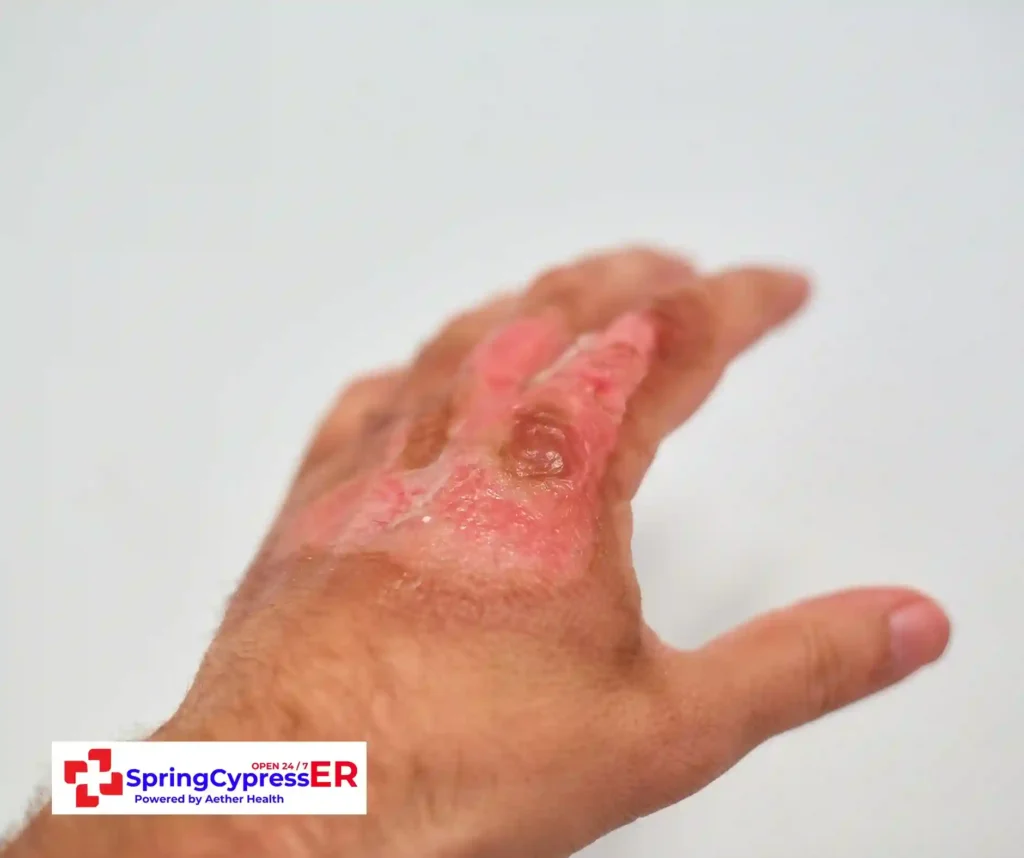
Contact with corrosive or irritating substances may cause redness, pain, swelling, blistering, or chemical burns. Certain chemicals can penetrate the skin or cause damage that continues after the initial contact.
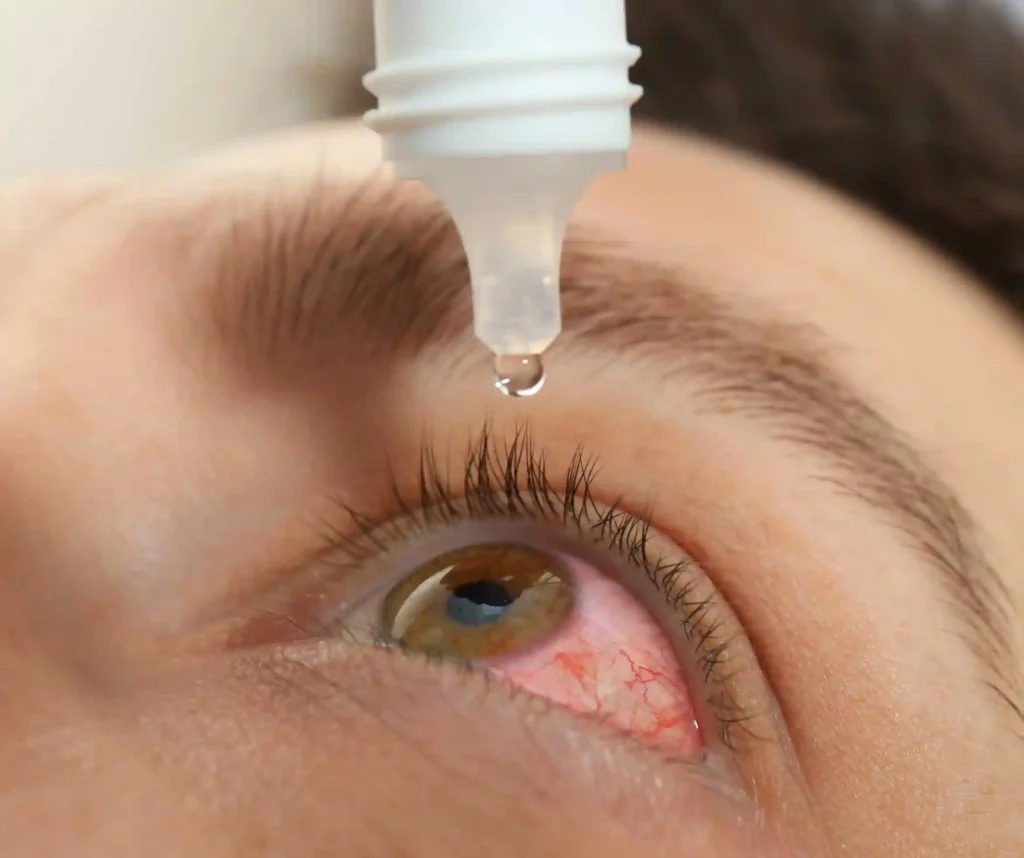
Chemical splashes can cause intense irritation, redness, pain, and vision changes. Eye exposure involving corrosive substances requires immediate flushing and prompt medical assessment.
Accidentally swallowing a cleaning product, industrial chemical, or other toxic substance can injure the mouth, throat, stomach, or other organs. The effects depend on the substance and quantity involved.

Taking the correct first-aid steps can help reduce further injury. The safest response depends on the chemical and the type of exposure.
Remove yourself from ongoing exposure when safe. Bring the product container, label, or a photograph of the product information if it can be done safely. Do not delay emergency treatment to collect it.
At Spring Cypress ER, medical evaluation focuses on your symptoms, the type of exposure, and the possibility of injury to the skin, eyes, respiratory system, or internal organs.
Exposure history: Your care team may ask which substance was involved, how the exposure occurred, how long it lasted, and when symptoms began.
Physical assessment: The medical team evaluates your symptoms and checks for signs of burns, breathing problems, eye injury, or other complications.
Diagnostic testing: Depending on the exposure, tests may include blood work, oxygen-level monitoring, an electrocardiogram, or imaging when clinically indicated.
Treatment and testing vary significantly by chemical. Some exposures require specialized toxicology advice or transfer to a higher level of care.
Treatment depends on the chemical, the route of exposure, and the extent of injury. Early treatment may help limit tissue damage and identify complications.
Depending on the clinical assessment, care may involve:
Do not apply creams, household remedies, or neutralizing agents to a chemical burn unless directed by a qualified medical professional. Some substances require specific treatment protocols.
A potentially dangerous chemical exposure can require prompt assessment, particularly when breathing, vision, or the skin is affected.
Some serious poisonings require specialized treatment that may not be available at every emergency facility. Your medical team can determine whether additional specialist care is necessary.
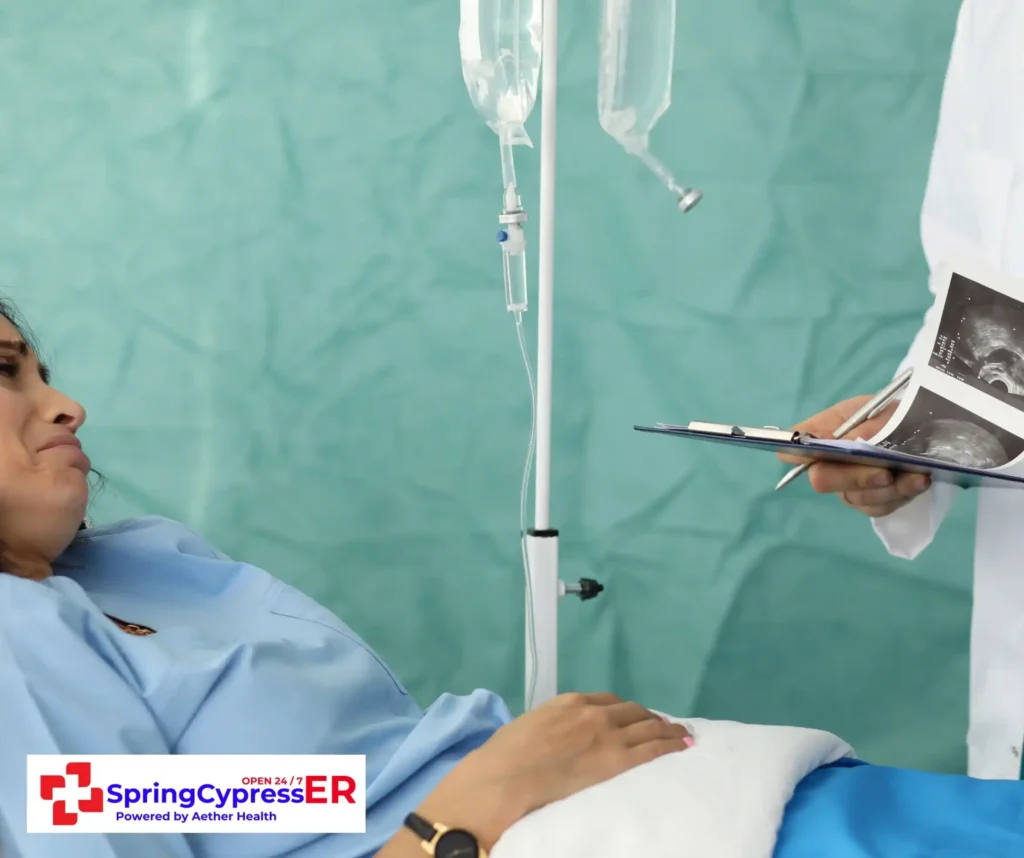
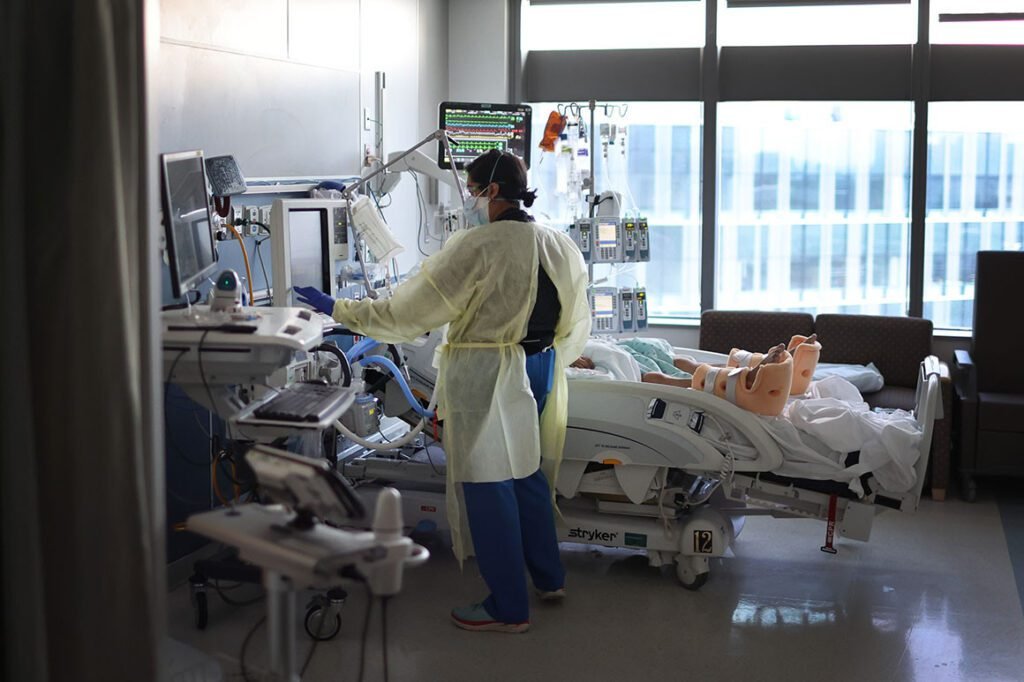
Chemical exposure can cause injuries that are not always immediately visible. Breathing difficulties, severe burns, eye injuries, or suspected ingestion of a toxic substance should never be ignored.
If you are searching for a chemical exposure emergency room in Spring, TX, Aether Health Spring Cypress ER provides 24/7 emergency evaluation for concerning symptoms after chemical contact. For severe or potentially life-threatening exposure, call 911 and follow emergency professionals’ instructions.
Seek emergency care for difficulty breathing, severe burns, eye pain, vision changes, or persistent coughing after inhaling chemical fumes. If someone has swallowed a potentially toxic substance, seek immediate professional guidance. Call 911 for life-threatening symptoms.
Yes. Some chemicals can cause delayed effects, including breathing problems, skin irritation, or internal injury. Contact Poison Control or a medical professional promptly if you suspect a significant exposure, even if symptoms have not appeared.
If it is safe, bring the product label, container information, or a photo of the chemical and its ingredients. Never handle a leaking or hazardous substance, and do not delay treatment to collect this information.
Yes. Emergency physicians can assess chemical burns, begin appropriate treatment, and evaluate the risk of complications. Treatment depends on the chemical involved, the affected area, and the severity of the burn.
Aether Health Spring Cypress ER provides emergency care 24 hours a day, 7 days a week, including weekends and holidays. Walk-ins are welcome, and no appointment is required.
Spring Cypress ER – 24/7 Emergency Care Near You in Spring, TX. Compassionate, Reliable, Always Open.
Call Now
Disclaimer: The information on this website is for general educational purposes and should not be considered professional medical advice. Reading or viewing this content does not establish a doctor-patient relationship. For medical emergencies, please call 911 or visit your nearest emergency room.
© 2026 Spring Cypress ER. All rights reserved.
Developed by Digital Linkage
Need help?