Written by the on-site laboratory team at Aether Health – Spring Cypress ER, a freestanding 24/7 emergency room in Spring, TX
| Before you head to the lab: The single most important step in preparing for a blood test is confirming whether your specific test requires fasting. Most cholesterol and glucose panels do. Many others do not. When in doubt, ask the provider who ordered the test. |
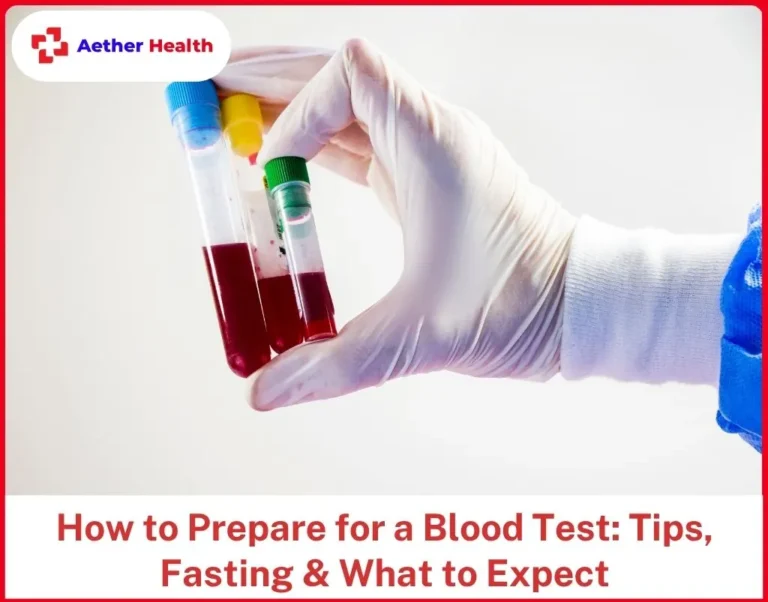
Knowing how to prepare for a blood test can turn a stressful morning into a smooth 15-minute stop. The right prep gives you accurate results the first time, avoids repeat draws, and keeps you feeling steady during the appointment. Fasting rules, hydration, medications, and small day-of habits all shape what your lab report will show. Here is the full playbook, timed out from the day before to the moment you leave the lab.
How to prepare for a blood test in 5 steps
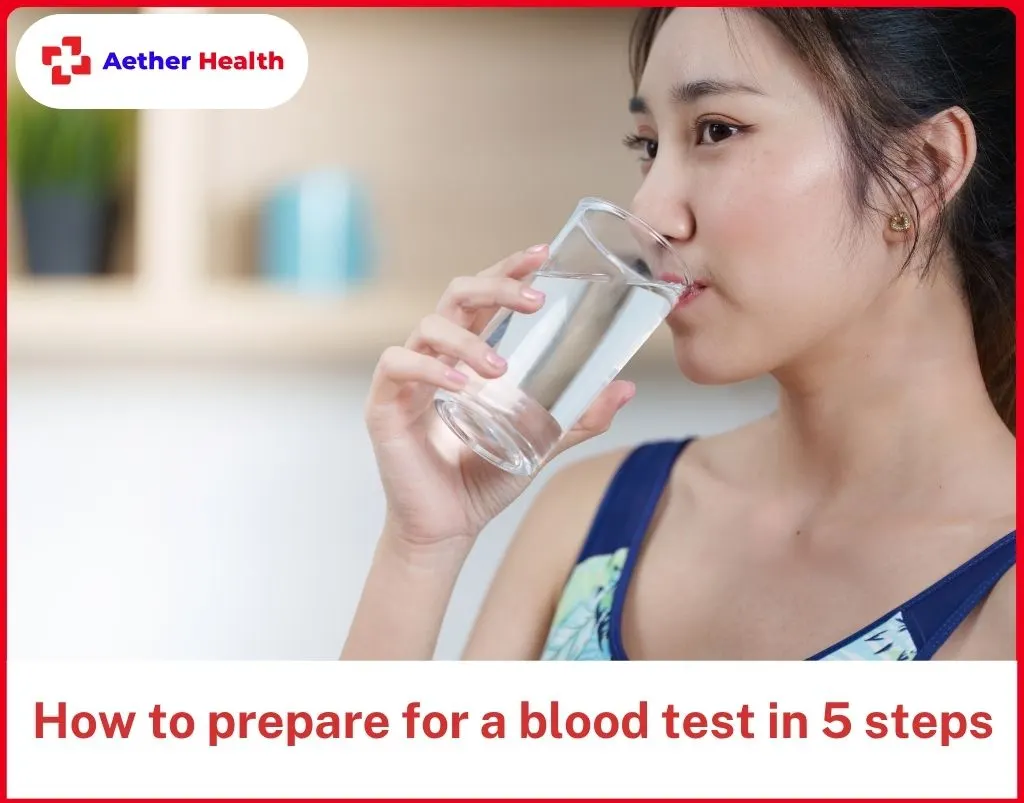
The core of how to prepare for a blood test comes down to five habits: confirm whether fasting is required, hydrate well the day before, review your medications with your provider, wear loose sleeves, and give yourself unhurried time on the day of. The MedlinePlus reference on preparing for a lab test outlines these same principles as the standard patient preparation checklist.¹
- Confirm fasting. Call the ordering office if you are not sure. Fasting rules vary by test and getting this wrong is the leading cause of repeat blood draws.
- Hydrate. Drink water in the 24 hours before your test. Well-hydrated veins are easier to find and blood is easier to collect.
- Review medications. Some medications and supplements can affect specific tests. Never stop a prescribed medication without your provider telling you to.
- Wear the right clothing. A short-sleeve shirt or something that rolls up easily above the elbow saves time and avoids awkward adjustments.
- Arrive relaxed. Rushed, anxious patients often have tight veins and faster heart rates. Give yourself an extra 10 minutes.
When fasting is required (and when it isn’t)
Fasting means no food or drink other than water for 8 to 12 hours before the test. It matters because eating triggers changes in blood sugar, cholesterol, and other markers that can distort results. Whether your test needs it depends on what is being measured.
The CDC guidance on cholesterol testing confirms that a fasting lipid panel is one of the tests most sensitive to recent meals. Ask about fasting for any test that measures sugar, cholesterol, triglycerides, or metabolic function.²
Common tests that usually require fasting:
- Fasting blood glucose
- Lipid panel (total cholesterol, LDL, HDL, triglycerides)
- Metabolic panels (BMP or CMP)
- Iron studies
- Some vitamin panels
Tests that usually do NOT require fasting:
- Complete blood count (CBC)
- Hemoglobin A1C
- Thyroid function tests (TSH, T3, T4)
- Most infection or antibody screens
- Pregnancy tests
- Standard blood typing
| Water is not “breaking your fast.” Plain water is allowed and encouraged during fasting hours. It helps the phlebotomist find your vein and makes the draw faster. Skip coffee, tea, juice, chewing gum, and mints during the fasting window. |
Your hour-by-hour blood test prep checklist
Use this timeline as your day-of guide. Every step below is designed to reduce the chance of an inaccurate result or a repeat draw. Print it, save it, or read it once through the night before.
| Timeframe | What to do |
|---|---|
| 24-48 hours before | Confirm fasting instructions with the ordering provider. Drink water. Skip alcohol and heavy meals. |
| 12 hours before | Begin fasting if required. Water is fine. Avoid coffee, tea, gum, and mints. |
| The evening before | Get a good night’s sleep. Lay out your ID, insurance card, and lab paperwork. |
| 2 hours before | Keep sipping water. Hydration makes veins easier to find and blood easier to draw. |
| 30 minutes before | Head to the lab. Wear a shirt with sleeves that roll up easily. Bring your medication list. |
| At the appointment | Sit, relax your arm, and tell the phlebotomist if you have felt faint before. The draw takes 3 to 5 minutes. |
| Right after | Apply gentle pressure for 1 to 2 minutes. Eat a light snack if you fasted. Resume normal activity. |
Medications and supplements to consider
Some medications and supplements can affect blood test results. This does not mean you should stop taking them, only that you should tell the lab team what you take so results are interpreted correctly. Never stop a prescription medication without direction from the ordering provider.
Common substances to disclose before a blood draw:
- Prescription medications, including those you take daily
- Over-the-counter pain relievers or anti-inflammatories taken in the past 48 hours
- Vitamins (especially biotin, which can affect thyroid and hormone tests)
- Herbal supplements and teas
- Weight loss or performance supplements
- Recent alcohol consumption (within 24 hours)
- Recent recreational substance use
Bring a written list of everything you take with the dose and frequency. The lab team will note it on your record so any unusual results can be understood in context.
What to expect during and after the blood draw
A standard blood draw takes 3 to 5 minutes. A trained phlebotomist cleans the skin, locates a vein (usually in the crease of the elbow), and collects one or more small tubes of blood. If you have concerns about how quickly you will get results, our blog on how fast lab and imaging results come back walks through typical turnaround times at Aether Health – Spring Cypress ER.
Step-by-step:
- You sit down and rest your arm on the arm rest, palm up
- A soft elastic band is tied above the elbow to make veins easier to see
- The skin over the chosen vein is cleaned with alcohol
- A thin needle is inserted, and the tubes fill quickly
- The needle is removed, gentle pressure is applied, and a small bandage is placed
After the draw, most people feel completely normal. If you fasted, eat a light snack right away. If you have ever fainted during past draws, tell the phlebotomist before you sit down so they can position you lying flat.
Rare but normal after-effects:
- Small bruise at the draw site, fades within a few days
- Brief lightheadedness, sitting for 5 minutes usually resolves it
- Mild soreness at the site for a day or two
Why on-site blood testing at a freestanding ER helps
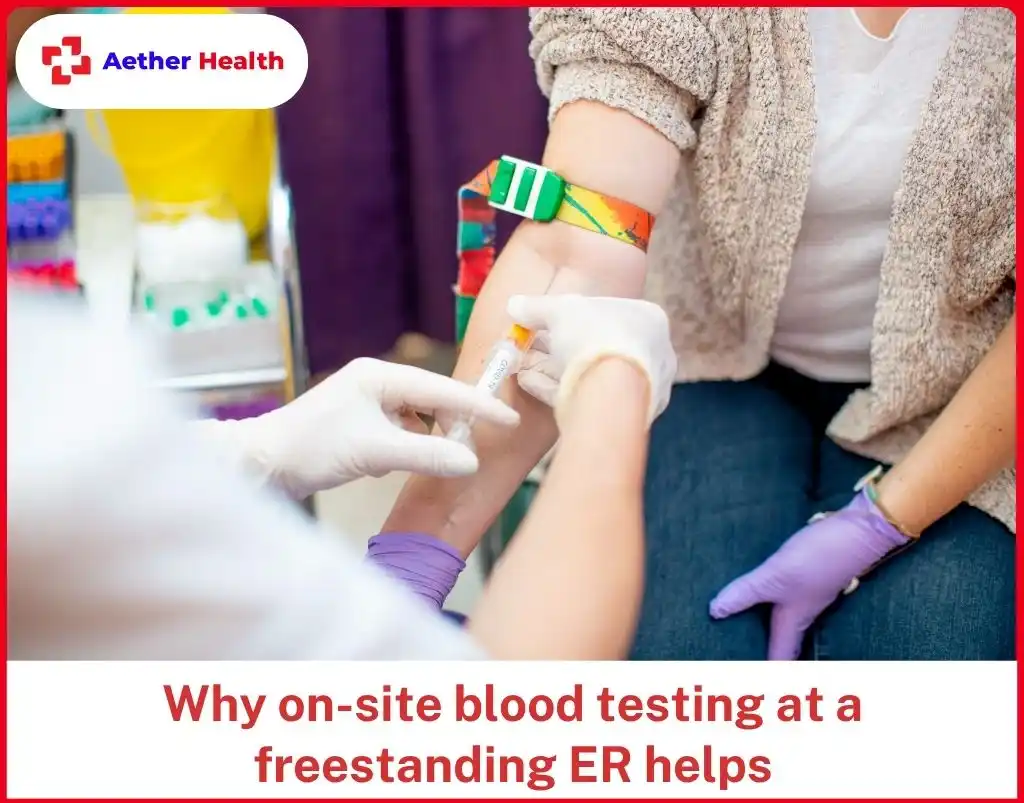
At Aether Health – Spring Cypress ER, our COLA-certified on-site laboratory testing runs blood work with results available within the same visit for most common panels. This is a real advantage for urgent situations where a hospital lab may take hours to send back a result.
What the freestanding ER model brings to blood testing:
- Same-visit results for most common panels (typically within 30 to 60 minutes)
- Board-certified emergency physicians available to interpret results immediately
- On-site imaging (CT, X-ray, ultrasound) to pair with lab work when needed
- Walk-in access 24 hours a day with no appointment required
- Direct coordination with your primary provider for follow-up
Common questions
- Can I drink water before a fasting blood test?
- Yes. Plain water is not only allowed but encouraged. Hydration keeps your veins easier to find and does not affect test results. Skip coffee, tea, juice, and gum during the fasting window.
- How long should I fast before a blood test?
- Most fasting tests require 8 to 12 hours without food. An overnight fast with a morning appointment usually works best. Confirm the exact window with the office that ordered your test.
- Should I stop my medications before a blood test?
- Never stop a prescription medication without a doctor’s direction. Instead, bring a list of everything you take. Some tests may be scheduled around specific medication timing when accuracy matters.
- What time of day is best for a blood test?
- Morning is usually best, especially for fasting tests. Cortisol, glucose, and some hormones change through the day, and morning readings give the most consistent baseline for comparison over time.
- What if I accidentally ate before a fasting blood test?
- Tell the lab team before the draw. They may reschedule the fasting portion or note it on your record. Getting inaccurate results is worse than a short delay, so honesty always wins here.
Walk in for on-site lab testing in Spring, TX
When time matters, a freestanding ER with an on-site laboratory shortens the wait between symptoms and answers. Aether Health – Spring Cypress ER runs standard and specialty blood panels 24 hours a day with results in minutes. Board-certified physicians. No appointment needed.
Questions about which tests we run or how to prepare? Contact our care team any time. We are happy to walk you through fasting rules and timing before you arrive.
Aether Health – Spring Cypress ER | Freestanding 24/7 Emergency Room
8929 Spring Cypress Rd, Spring, TX 77379 | (713) 528-8703
No appointment. Walk in any time.
External references Links :
1.MedlinePlus reference on preparing for a lab test
2.CDC guidance on cholesterol testing