Reviewed by the emergency care team at Aether Health – Spring Cypress ER | 8929 Spring Cypress Rd, Spring, TX 77379 | +1 (713) 528-8703
The most important thing to know: Most people with an irregular heartbeat live full, normal-length lives when their condition is identified and treated. Treatment doesn’t just relieve symptoms it dramatically extends life expectancy compared to leaving the rhythm untreated. The single most important step is getting an accurate diagnosis.
After a diagnosis of atrial fibrillation, an arrhythmia, or any irregular heart rhythm, one question almost always comes to mind: how long can I live with this? It’s a hard question to ask, and the honest answer is more reassuring than most people expect. The lifespan of someone with an irregular heartbeat depends far more on the type of rhythm and whether it’s properly treated than on the diagnosis itself.
This guide explains how Long Can You Live With an Irregular Heartbeat? what factors influence the outlook, what treatments make the biggest difference, and how to live well with the condition.
It’s written by the emergency care team at Aether Health – Spring Cypress ER for patients in Spring, Klein, Cypress, and the surrounding areas who want clear, honest answers not the worst-case stories you find in online forums.
Quick Answer: How Long Can You Live With an Irregular Heartbeat?
Most people with an irregular heartbeat have a near-normal life expectancy when the condition is diagnosed and treated. People with occasional skipped beats and well-controlled atrial fibrillation often live as long as the general population. Treatment matters most: untreated AFib roughly doubles the risk of dying from any cause and increases stroke risk fivefold, while treated AFib brings outcomes close to those of people without the condition.
Dangerous arrhythmias like ventricular tachycardia and ventricular fibrillation have a more serious prognosis, but modern treatments including medications, ablation, and implantable defibrillators significantly improve survival. The single biggest factor in long-term outcome is whether you get diagnosed early and follow your treatment plan.
It Depends on the Type Life Expectancy by Arrhythmia
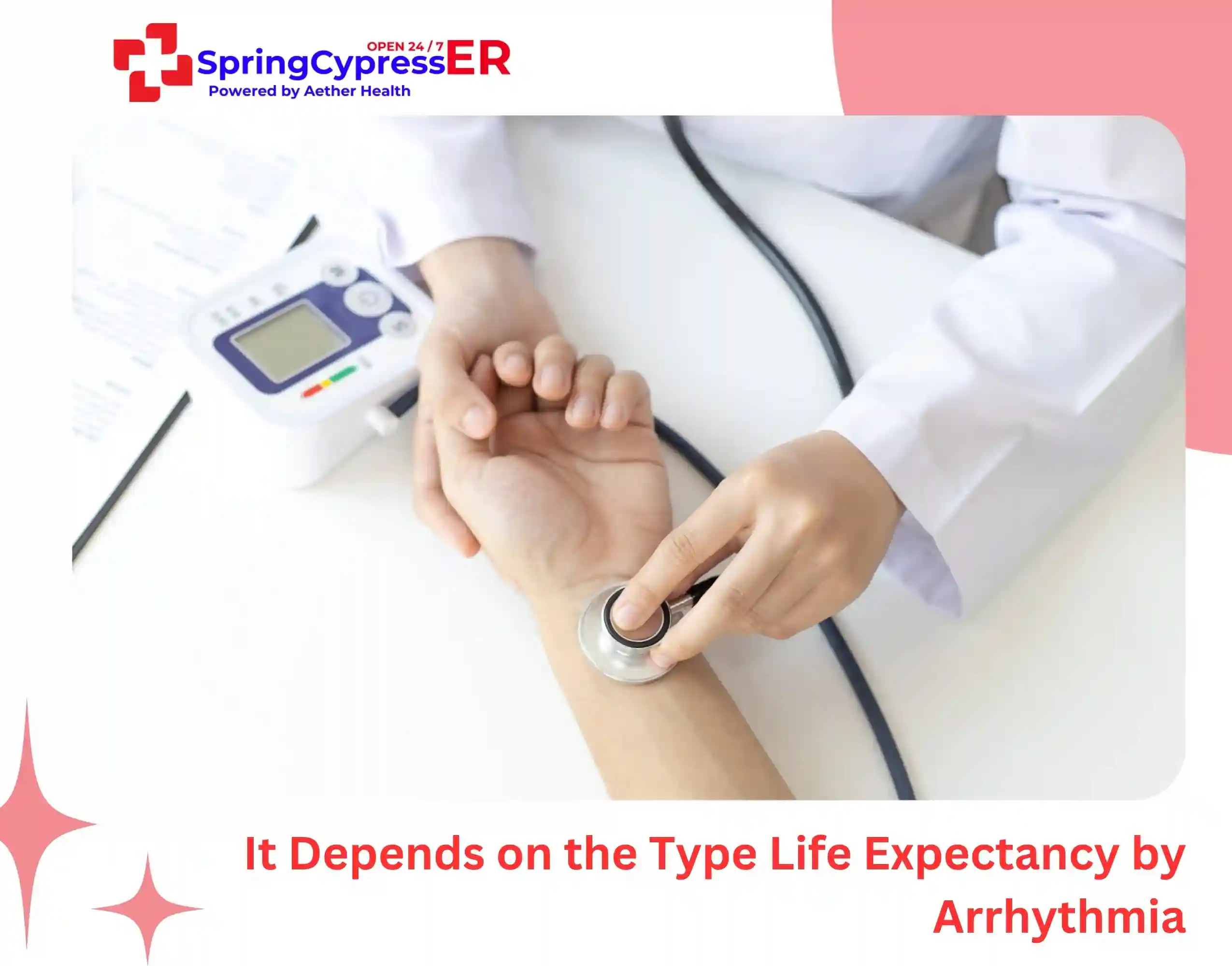
“Irregular heartbeat” is an umbrella term that covers more than 15 different conditions, each with its own prognosis. The table below summarizes life expectancy outcomes for the most common arrhythmias when treatment is followed.
| Arrhythmia Type | Life Expectancy With Treatment | Key Risks If Untreated |
| Occasional PACs / PVCs (extra beats) | Normal no impact on lifespan | Generally harmless when infrequent |
| Supraventricular tachycardia (SVT) | Normal highly treatable, often curable with ablation | Quality of life impact; rarely life-threatening |
| Atrial fibrillation (AFib) | Near normal with proper treatment and anticoagulation | Stroke (5x risk), heart failure, dementia |
| Atrial flutter | Near normal with treatment; often curable with ablation | Stroke and heart failure if uncontrolled |
| Heart block (mild) | Normal often monitored without intervention | Can progress to severe block |
| Heart block (advanced) | Normal with pacemaker | Fainting, sudden death |
| Ventricular tachycardia (VT) | Good with treatment and implantable defibrillator if indicated | Sudden cardiac arrest |
| Ventricular fibrillation (VF) | Survivors with defibrillator have meaningful long-term survival | Sudden cardiac death within minutes |
Read carefully: The “with treatment” column reflects outcomes when patients follow their care plan medications taken as prescribed, follow-up visits attended, lifestyle changes implemented. These outcomes are dramatically better than the “untreated” data many online sources cite.
The 6 Factors That Affect Life Expectancy With Irregular Heartbeat
Two people with the same arrhythmia diagnosis can have very different outcomes often because of factors entirely separate from the rhythm itself. These are the six biggest variables.
1. The Type and Severity of the Arrhythmia
As the table above shows, prognosis varies widely. Occasional benign extra beats have no effect on lifespan. AFib slightly increases mortality if untreated but is highly manageable. Ventricular arrhythmias are more serious but often controllable with modern interventions. Knowing exactly which rhythm you have through an EKG and sometimes longer-term monitoring is the foundation of an accurate prognosis.
2. Whether You Receive Proper Treatment
Treatment is the single most powerful factor. Studies consistently show that patients who take their prescribed medications, attend follow-up appointments, and address underlying conditions live years longer than those who do not. Anticoagulants for AFib alone reduce stroke risk by approximately 60% a difference measured in saved lives.
3. Underlying Heart Conditions
An arrhythmia in an otherwise healthy heart has a better outlook than the same arrhythmia in a heart with coronary disease, heart failure, valve disease, or previous heart attack. Treating the underlying condition is often more important to long-term survival than treating the rhythm itself.
4. Age and Overall Health
Younger, healthier patients generally have better outcomes than older patients with multiple chronic conditions. That said, age alone is not the determinant a healthy 75-year-old with treated AFib typically does better than a 55-year-old with poorly controlled diabetes, untreated sleep apnea, and ongoing smoking.
5. Lifestyle Factors
Smoking, heavy alcohol use, obesity, lack of exercise, and uncontrolled stress all worsen arrhythmia outcomes. The opposite is also true: weight loss, exercise, and quitting smoking can reduce AFib episodes by half or more in some studies.
6. Time to Diagnosis
Arrhythmias caught early have the best outcomes. Atrial fibrillation that has been present silently for years is harder to control and more likely to have caused a stroke or contributed to heart failure before diagnosis. Anyone experiencing palpitations, fatigue, shortness of breath, or fainting should get evaluated promptly.
How Treatment Extends Life With an Irregular Heartbeat
Modern arrhythmia treatment is one of the most successful areas of medicine. Several specific interventions have been shown to extend life expectancy meaningfully.
Rate and Rhythm Control Medications
Beta-blockers, calcium channel blockers, and antiarrhythmic drugs slow the heart, restore normal rhythm, and reduce symptoms. They also lower the long-term strain on the heart muscle, reducing the risk of heart failure.
Anticoagulants
Blood thinners such as warfarin and the newer direct oral anticoagulants (apixaban, rivaroxaban, dabigatran) dramatically reduce stroke risk in patients with atrial fibrillation. Stroke prevention is the single biggest reason AFib patients live longer with treatment than without.
Catheter Ablation
A minimally invasive procedure that uses heat or cold to destroy small areas of heart tissue causing abnormal rhythms. Ablation is highly effective for SVT, atrial flutter, and many cases of AFib. For many patients, ablation eliminates the arrhythmia entirely.
Pacemakers
For patients with dangerously slow heart rhythms or advanced heart block, pacemakers restore a normal heart rate and dramatically improve life expectancy. Modern pacemakers last 10 to 15 years and let patients live entirely normal lives.
Implantable Cardioverter Defibrillators (ICDs)
For patients at risk of life-threatening ventricular arrhythmias, an ICD continuously monitors the heart and delivers an immediate shock if a dangerous rhythm starts. ICDs have transformed the prognosis of conditions that were once almost universally fatal.
Treating Underlying Conditions
Controlling blood pressure, treating sleep apnea, managing diabetes, lowering cholesterol, and addressing thyroid problems all reduce arrhythmia burden and extend life. Sometimes the best arrhythmia treatment is treating something else entirely.
Living Well With an Irregular Heartbeat
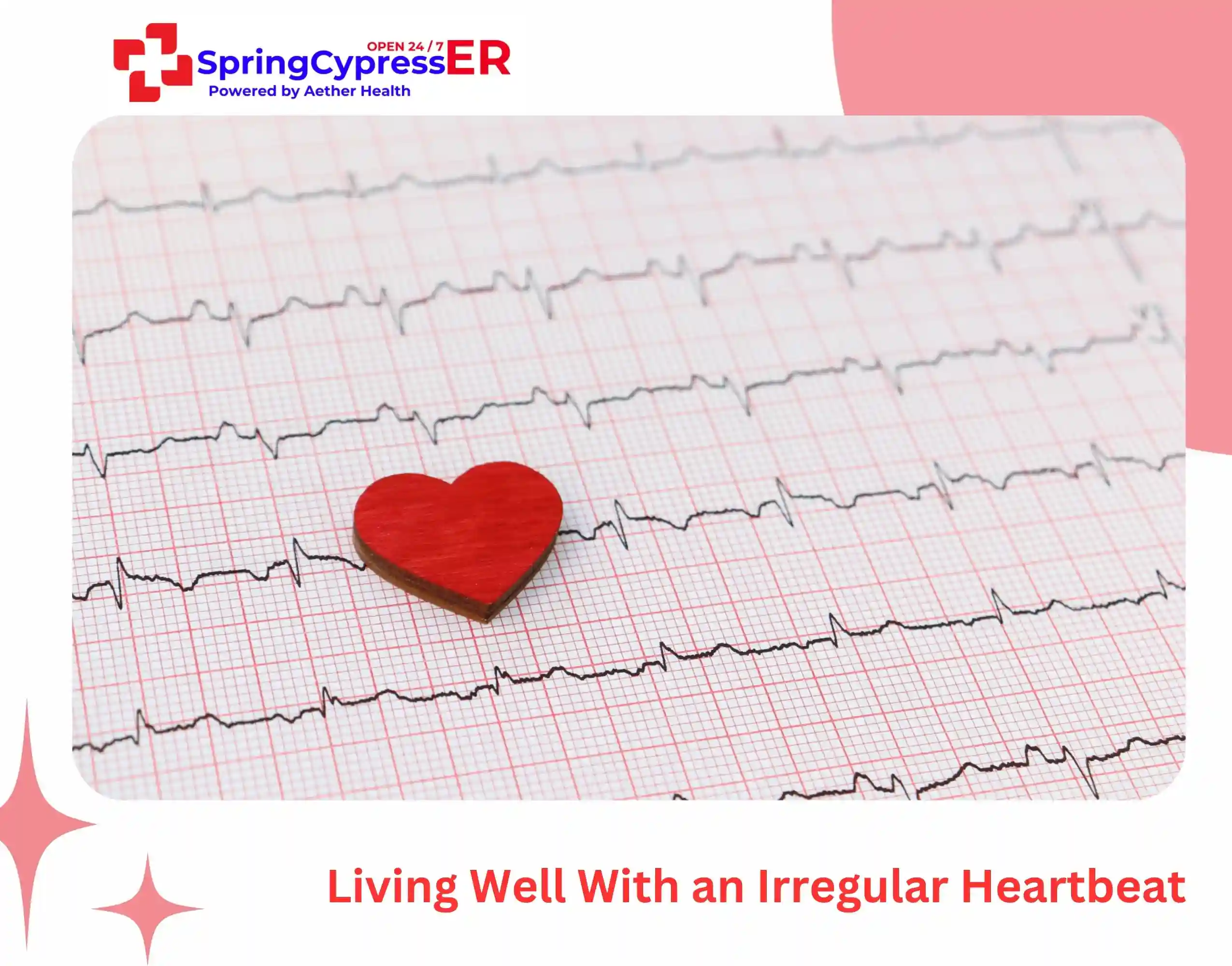
A diagnosis is not a sentence to a smaller life. Most patients with treated arrhythmias work, travel, exercise, and pursue their goals normally. These habits make the biggest difference in feeling well day to day.
- Take medications exactly as prescribed never skip or stop without consulting your cardiologist.
- Keep all follow-up appointments, even when you feel well.
- Get blood work done on schedule if you take warfarin or other monitored medications.
- Maintain a healthy weight losing even 10% of body weight reduces AFib burden significantly.
- Exercise regularly moderate-intensity aerobic activity is safe and beneficial for almost all arrhythmia patients.
- Limit alcohol binge drinking is a leading trigger of arrhythmia flare-ups.
- Avoid caffeine and stimulants if they trigger your symptoms.
- Quit smoking smoking dramatically worsens outcomes in every arrhythmia.
- Get screened and treated for sleep apnea it is one of the most common untreated causes of AFib.
- Track your symptoms and triggers so you and your cardiologist can refine treatment.
- Carry an updated list of medications and your diagnosis for emergencies.
- Tell every healthcare provider about your arrhythmia it changes how some medications and procedures are managed.
When to Come to the ER as a Patient With Irregular Heartbeat
Routine follow-up belongs with your cardiologist or primary care doctor. But some symptoms especially as an arrhythmia patient mean come to Aether Health – Spring Cypress ER immediately.
- Chest pain, pressure, or tightness could indicate a heart attack, especially in AFib patients.
- Fainting or near-fainting episodes.
- Severe shortness of breath, especially at rest or lying down.
- Palpitations that last more than 30 minutes and do not respond to your usual care plan.
- New or worsening swelling in the legs, ankles, or abdomen possible heart failure.
- Symptoms of a stroke sudden weakness on one side, slurred speech, facial drooping, vision loss. Call 911 immediately.
- Severe headache with high blood pressure.
- Bleeding while on anticoagulants black tarry stools, vomiting blood, severe bruising, blood in urine.
- New irregular heartbeat in a patient previously well-controlled.
- Side effects of medications that interfere with daily activities.
Don’t wait for routine appointments: When new or worsening symptoms appear in an arrhythmia patient, faster evaluation often prevents complications. At Aether Health – Spring Cypress ER, on-site EKG, lab work, and cardiac monitoring are available 24/7 with no wait. Call +1 (713) 528-8703 or come to 8929 Spring Cypress Rd, Spring, TX 77379.
How SpringCypress ER Supports Patients With Arrhythmias
For Spring, TX residents with known or suspected arrhythmias, our 24/7 freestanding ER provides immediate cardiac care without the wait of a hospital ER. We are equipped to evaluate, stabilize, and coordinate ongoing care quickly.
- Rapid EKG performed within minutes of arrival to identify the exact rhythm.
- Continuous cardiac monitoring tracks every beat during your visit.
- Cardiac and metabolic labs detect heart muscle damage, electrolyte imbalance, thyroid problems, and bleeding complications from anticoagulants.
- On-site CT and chest X-ray evaluate for heart failure, pulmonary embolism, and other emergencies.
- IV rate and rhythm control medications to restore normal rhythm or control heart rate are started on site as needed.
- Stroke evaluation for AFib patients with sudden neurological symptoms, immediate CT imaging and time-critical treatment.
- Cardiology coordination if you need a cardiologist follow-up or hospital admission, we arrange seamless transfer or referral.
Frequently Asked Questions
Can you live a normal life with atrial fibrillation?
Yes most patients with well-treated AFib live full, active, normal-length lives. They work, exercise, travel, and continue all their normal activities. The keys are taking prescribed anticoagulants to prevent stroke, controlling heart rate, treating underlying conditions, and following lifestyle recommendations.
Does an irregular heartbeat shorten your life?
Some types do if untreated, but most have minimal impact on lifespan when properly treated. Untreated atrial fibrillation roughly doubles the risk of death from any cause; treated AFib has outcomes close to people without the condition. Dangerous ventricular arrhythmias are more serious but are also highly treatable with modern care.
Can an arrhythmia go away on its own?
Some can. Arrhythmias caused by reversible triggers like dehydration, electrolyte imbalances, alcohol, thyroid disorders, or certain medications often resolve when the trigger is removed. Chronic arrhythmias like persistent AFib typically need ongoing management but can sometimes be cured with ablation.
What is the most dangerous irregular heartbeat?
Ventricular fibrillation is the most immediately dangerous without defibrillation, it causes cardiac arrest within minutes. Ventricular tachycardia is also serious and can degenerate into VF. Both are highly treatable with implantable defibrillators in patients at risk.
Will I need a pacemaker or defibrillator?
Most arrhythmia patients do not. Pacemakers are reserved for patients with dangerously slow rhythms or heart block. Implantable defibrillators are used for patients at risk of life-threatening ventricular arrhythmias. Your cardiologist determines whether either is appropriate based on your specific condition.
Will my insurance cover an ER visit for arrhythmia symptoms?
Aether Health – Spring Cypress ER accepts most commercial insurance plans and works directly with your insurer to avoid surprise billing. We do not currently accept Medicare, Medicaid, or Tricare. Insurance concerns should never delay seeking care for cardiac symptoms call us at +1 (713) 528-8703 or walk in.
Get Expert Cardiac Care in Spring, TX Open 24/7, No Wait
Whether you are newly diagnosed, managing a known arrhythmia, or experiencing new symptoms fast access to expert evaluation is one of the most important things you can have. At Aether Health – Spring Cypress ER, board-certified emergency physicians, on-site EKG, cardiac monitoring, and direct cardiology coordination are available 24/7 with no wait.
- Address: 8929 Spring Cypress Rd, Spring, TX 77379
- Phone: +1 (713) 528-8703
- Hours: Open 24 hours, every day of the year
- Emergency: If symptoms are severe, call 911 paramedics can begin treatment en route.
Call Now: +1 (713) 528-8703 speak to our team in under 30 seconds. Or walk in any time at 8929 Spring Cypress Rd, Spring, TX 77379.