
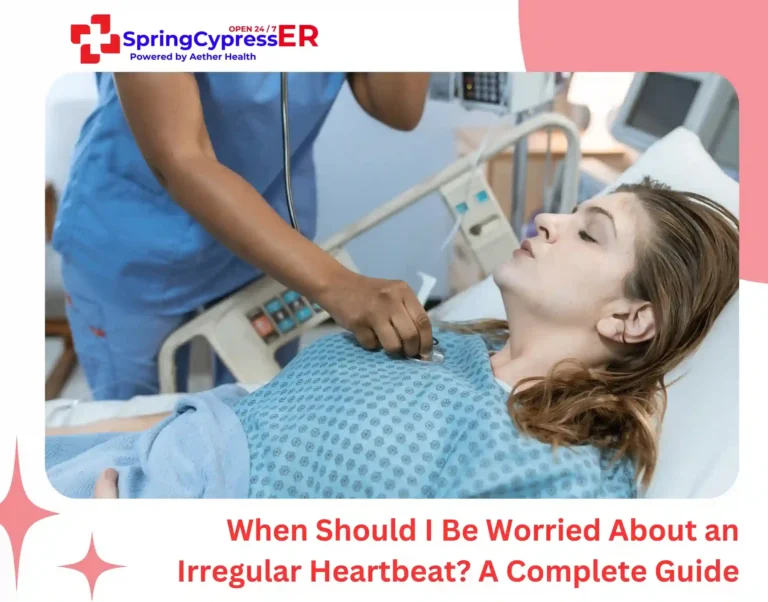
Feeling your heart skip, race, or flutter can be unsettling. Many people experience this at some point, but the key concern is knowing when an irregular heartbeat is harmless, and when it could signal something serious.
This detailed guide answers ‘when should I be worried about an irregular heartbeat,’ common causes, warning signs, risk factors, and when to seek medical care.
When Should You Be Worried?
Most irregular heartbeats (also called palpitations) are harmless and temporary. They often happen due to stress, caffeine, or dehydration and go away on their own.
However, you should be concerned if:
- It happens frequently or lasts a long time
- It occurs with other symptoms like chest pain or dizziness
- You have underlying heart conditions or risk factors
In these cases, medical evaluation is important.
What Is an Irregular Heartbeat?
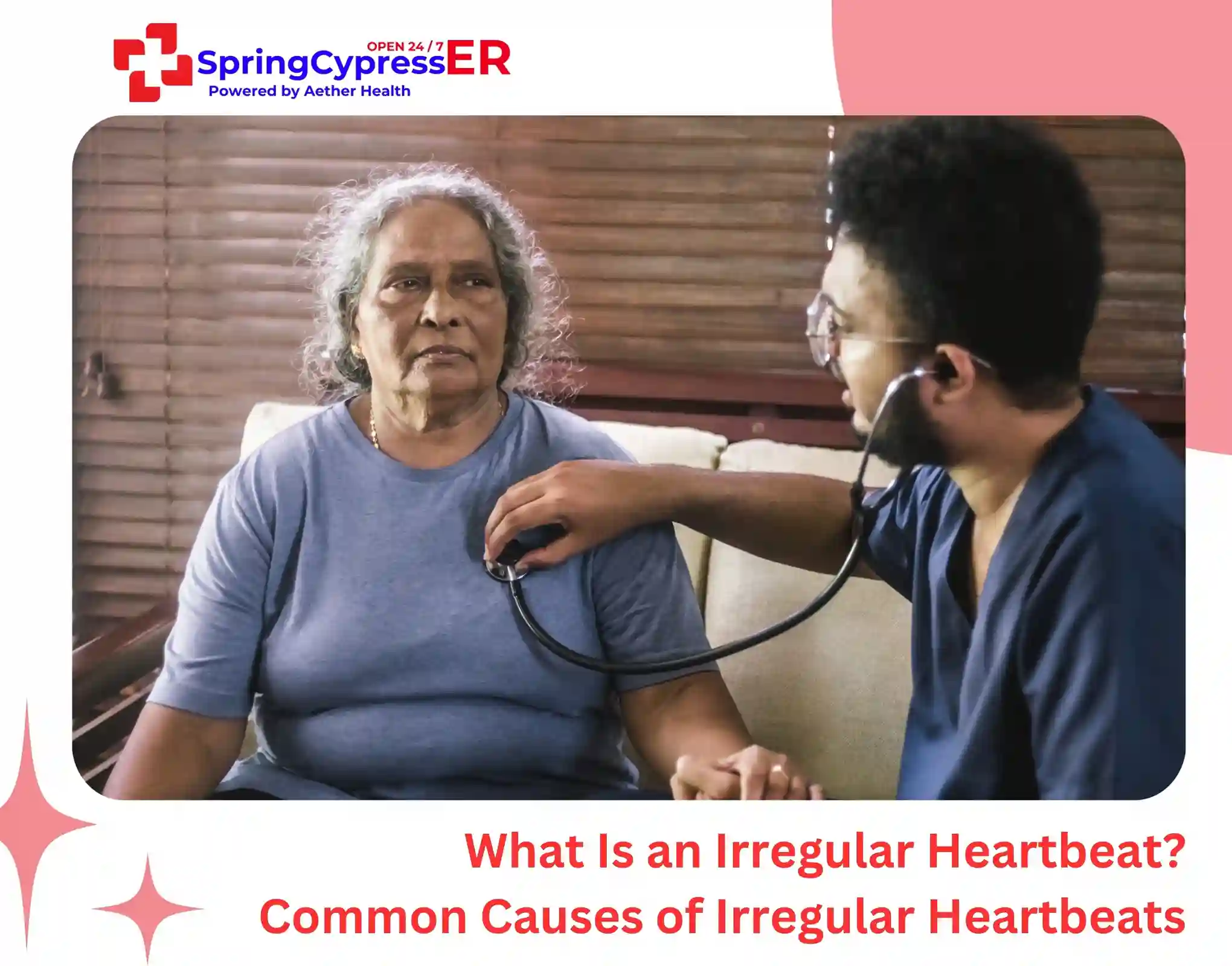
An irregular heartbeat, medically known as an arrhythmia, occurs when the heart beats too fast, too slow, or unevenly.
This happens due to a problem in the heart’s electrical system, which controls the rhythm of your heartbeat.
You may feel it as:
- Fluttering in the chest
- Skipping or missed beats
- Rapid pounding
- A pause followed by a strong beat
These sensations can feel alarming, even when they are not dangerous. If you are currently undergoing such a situation these days, it’s better to opt for irregular heartbeat treatment near you for timely evaluation and care.
Common Causes of Irregular Heartbeats
Most irregular heartbeats are triggered by everyday factors rather than serious disease.
- Lifestyle and Temporary Triggers
- Stress or anxiety
- Too much caffeine
- Dehydration
- Lack of sleep
These causes are usually harmless and resolve once the trigger is removed.
- Medical or Physical Causes
- Hormonal changes
- Thyroid problems
- Electrolyte imbalances
- Heart conditions
These may require medical attention, especially if symptoms persist.
When Irregular Heartbeats Are NOT Dangerous
In many cases, irregular heartbeats are due to premature beats (early heart contractions).
These can feel like:
- A skipped beat
- A sudden “flip” in the chest
- A stronger-than-normal heartbeat afterward
These are very common and usually not a cause for concern if they:
- Happen occasionally
- Do not affect daily life
- Are not accompanied by other symptoms
Warning Signs You Should NOT Ignore
An irregular heartbeat becomes concerning when it occurs with other symptoms that may indicate a serious heart problem like arrhythmia.
Seek immediate medical attention or visit the nearest 24/7 emergency room if you have:
- Chest pain or pressure
- Shortness of breath
- Dizziness or lightheadedness
- Fainting or near-fainting
- Pain spreading to the arm, neck, or jaw
These symptoms may indicate a serious arrhythmia or even a heart emergency.
High-Risk Groups: Who Should Be More Careful?
Some people are more likely to have serious heart rhythm problems.
You should be especially cautious if you have:
- Coronary artery disease
- Previous heart attack
- Heart failure or cardiomyopathy
- Congenital heart disease
- Sleep apnea
- Obesity or smoking history
In these cases, even mild symptoms should not be ignored.
Types of Irregular Heartbeats That Can Be Serious
Atrial Fibrillation (AFib)
This is the most common serious arrhythmia. It causes a fast, irregular heartbeat and increases the risk of stroke.
Symptoms may include:
- Rapid heartbeat
- Fatigue
- Shortness of breath
AFib always requires medical evaluation.
Tachycardia (Fast Heart Rate)
A heart rate that stays consistently above normal can strain the heart and reduce its efficiency.
Bradycardia (Slow Heart Rate)
A very slow heart rate may not supply enough oxygen to the brain, leading to dizziness or fainting.
How Doctors Diagnose Irregular Heartbeats
If you seek medical care, doctors may use several tests to understand your heart rhythm.
Common Tests Include:
- Electrocardiogram (ECG/EKG): Measures electrical activity of the heart
- Holter monitor: Records heart rhythm over 24–48 hours
- Wearable monitors: Track irregular episodes over time
These tools help identify whether the irregular heartbeat is harmless or needs treatment.
Can Stress or Anxiety Cause Irregular Heartbeats?
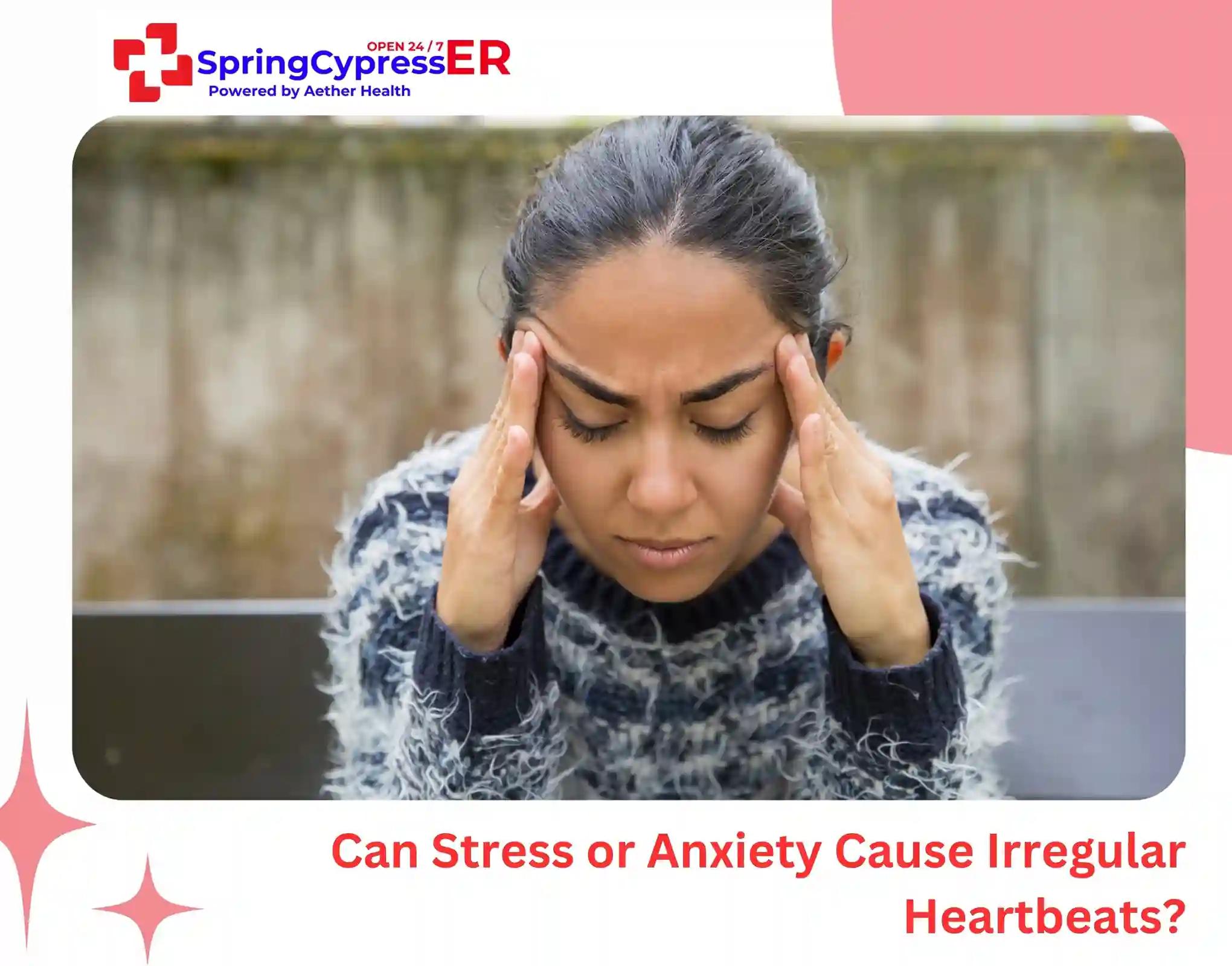
Yes, stress and anxiety are among the most common causes of temporary irregular heartbeats.
When the body is under stress:
- Hormones increase heart rate
- You become more aware of your heartbeat
- Palpitations become more noticeable
While these are usually harmless, frequent episodes should still be evaluated to rule out other causes.
How to Reduce or Prevent Irregular Heartbeats
Simple lifestyle changes can help reduce episodes:
- Limit caffeine and alcohol
- Stay hydrated
- Manage stress
- Get enough sleep
- Exercise regularly
These steps support overall heart health and reduce triggers.
Final Thoughts
So, when should i be worried about an irregular heartbeat?
Occasional, brief irregular heartbeats are usually harmless. But if they are frequent, persistent, or occur with symptoms like chest pain, dizziness, or shortness of breath, they may signal a serious condition.
Listen to your body, if something feels unusual, persistent, or severe, seek medical care without delay.
FAQs
Is an irregular heartbeat always serious?
No, most are harmless and temporary, especially if they happen occasionally without other symptoms.
When should I go to the ER for an irregular heartbeat?
Go immediately if it occurs with chest pain, fainting, or shortness of breath.
Can stress cause irregular heartbeats?
Yes, stress and anxiety are common triggers for temporary palpitations.
How often is too often for irregular heartbeat?
If it happens several times a week or lasts a long time, it should be checked by a doctor.
Can irregular heartbeat go away on its own?
Yes, many cases resolve naturally, especially if caused by lifestyle factors.