
Bronchitis is a common respiratory condition that causes inflammation in the airways (bronchi), leading to persistent coughing, mucus production, and breathing discomfort. Many people ask: what is the treatment for bronchitis, and how long does it take to recover?
The answer depends on the type of bronchitis, and the severity of symptoms. This detailed guide explains medical treatments, home remedies, recovery timelines, and when to seek care.
What Is Bronchitis?
Bronchitis occurs when the bronchial tubes, which carry air to and from your lungs, become inflamed. This inflammation causes:
- Cough (often with mucus)
- Chest discomfort
- Shortness of breath
- Fatigue
There are two main types:
- Acute bronchitis: Short-term, usually caused by viral infections.
- Chronic bronchitis: Long-term condition, often linked to smoking or lung disease.
Treatment typically includes:
- Rest and hydration
- Medications to relieve symptoms
- Home remedies to ease breathing
- In some cases, prescription treatments
If you have symptoms of acute or chronic, it’s better to opt for a timely and effective bronchitis treatment near you.
Medical Treatments for Bronchitis

1. Cough Medicines
Cough is the main symptom of bronchitis. Doctors may recommend cough suppressants or expectorants depending on your condition.
Suppressants help reduce dry, irritating coughs, while expectorants help loosen mucus so it can be cleared from the lungs more easily.
2. Pain Relievers and Fever Reducers
Over-the-counter medications like paracetamol or ibuprofen help reduce:
- Fever
- Body aches
- Chest discomfort
These medications improve overall comfort while the body fights the infection. But, one should only take these medicines on the physician’s advice.
3. Bronchodilators (In Some Cases)
If bronchitis causes wheezing or difficulty breathing, doctors may prescribe bronchodilators.
These medications help open the airways, making breathing easier. They are more commonly used in people with asthma or chronic bronchitis.
4. Antibiotics (Only When Needed)
Antibiotics are not usually prescribed because most cases of bronchitis are caused by viruses.
However, they may be used if:
- A bacterial infection is confirmed
- Symptoms are severe or prolonged
- The patient has underlying health conditions
Using antibiotics unnecessarily does not help and can lead to resistance.
5. Steroids (For Severe Cases)
In some situations, especially chronic bronchitis, doctors may prescribe corticosteroids to reduce airway inflammation.
These are typically used when symptoms are severe or persistent.
Home Remedies for Bronchitis Relief
Wondering what is the treatment for bronchitis at home? Here are a few tested remedies:
Stay Hydrated
Drinking plenty of fluids helps thin mucus, making it easier to cough up. Warm liquids like tea or soup can also soothe the throat.
Use a Humidifier
Moist air helps reduce irritation in the airways and makes breathing more comfortable. A humidifier can be especially helpful in dry environments.
Get Plenty of Rest
Rest allows your body to fight the infection more effectively. Overexertion can worsen symptoms and delay recovery.
Avoid Irritants
Smoke, dust, and pollution can worsen bronchitis symptoms. Avoid exposure to these irritants to support healing.
Honey for Cough Relief
Honey can help soothe the throat and reduce coughing, especially at night. It is a simple and natural remedy often used for mild symptoms.
How Long Does Bronchitis Last?
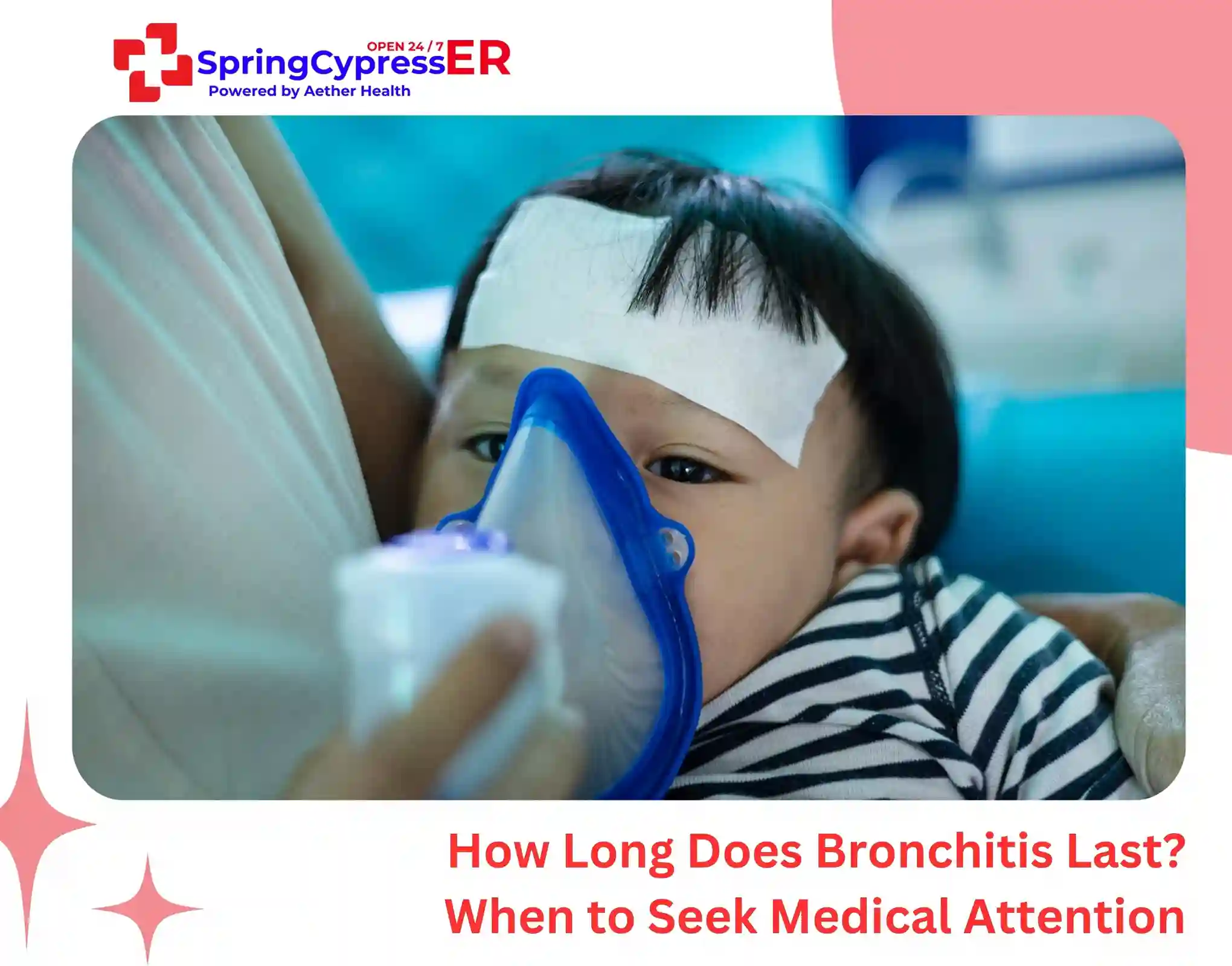
The duration of bronchitis depends on the type:
Acute bronchitis: Usually lasts 1 to 3 weeks
Cough may persist for several weeks after infection clears
Chronic bronchitis: Long-term condition requiring ongoing management
Recovery time varies based on overall health and treatment.
When to Seek Medical Attention
While most cases improve on their own, you should see a doctor or visit the 24/7 nearest emergency room, if you experience:
- Cough lasting more than 3 weeks
- High fever
- Shortness of breath
- Chest pain
- Blood in mucus
These symptoms may indicate complications or a more serious condition.
Final Thoughts
So, what is the treatment for bronchitis?
Most cases are treated with rest, fluids, and symptom relief, while more severe cases may require medications like bronchodilators or antibiotics.
Bronchitis often improves on its own, but proper care and attention to symptoms are essential for a full recovery.
FAQs
What is the best treatment for bronchitis?
Rest, hydration, and symptom-relief medications are the most effective treatments for most cases.
Do you need antibiotics for bronchitis?
No, antibiotics are usually not needed unless the infection is bacterial.
How can I recover from bronchitis faster?
Stay hydrated, rest, avoid irritants, and follow medical advice.
Is bronchitis serious?
Most cases are mild, but severe or prolonged symptoms should be evaluated by a doctor.
Can bronchitis go away on its own?
Yes, acute bronchitis often resolves without medical treatment within a few weeks.