
Reviewed by the emergency care team at Aether Health – Spring Cypress ER | 8929 Spring Cypress Rd, Spring, TX 77379 | +1 (713) 528-8703
You’ve had a hacking cough for two weeks. Your chest feels heavy. You’re bringing up thick mucus, and now you’re wondering: do I need antibiotics, or is this something that will pass on its own? The answer to “what is the treatment for bronchitis” depends on one critical question is it acute or chronic, and is it viral or bacterial?
This guide walks you through every effective treatment option for bronchitis: which medications actually help (and which ones don’t), proven home remedies, when to see a doctor, and how to spot the warning signs that your bronchitis has become something more serious. It’s written by the emergency care team at Aether Health – Spring Cypress ER, where we treat respiratory infections every day for Spring, Klein, and Cypress residents.
Quick Answer: What Is the Treatment for Bronchitis?
The treatment for bronchitis depends on the type. Acute bronchitis (lasting under 3 weeks) is usually viral and treated with rest, fluids, humidified air, over-the-counter cough remedies, and pain relievers antibiotics are rarely needed. Chronic bronchitis (a cough lasting 3+ months for 2 years in a row) requires long-term management with bronchodilators, inhaled steroids, pulmonary rehabilitation, and quitting smoking. Both types may need prescription inhalers, breathing treatments, or oxygen support if symptoms become severe. See a doctor if your cough lasts more than 3 weeks, you have a fever over 100.4°F, you’re coughing up blood, or you have trouble breathing.
Trouble breathing right now?: If you are experiencing severe shortness of breath, chest pain, blue lips or fingertips, confusion, or a high fever along with cough this is not regular bronchitis. Call 911 or come to Aether Health – Spring Cypress ER immediately. We are open 24/7 at 8929 Spring Cypress Rd, Spring, TX 77379. Call +1 (713) 528-8703.
What Is Bronchitis?
Bronchitis is inflammation of the bronchial tubes, the airways that carry air from your windpipe into your lungs. When these tubes get irritated and swollen, they produce extra mucus, narrow, and trigger the deep, persistent cough that defines the condition. Bronchitis comes in two distinct types, and recognizing which one you have is the first step in choosing the right treatment.
| Feature | Acute Bronchitis | Chronic Bronchitis |
| Duration | Less than 3 weeks | Cough most days for 3+ months, 2 years in a row |
| Cause | Usually viral (90%); sometimes bacterial | Long-term irritation smoking, pollution, dust |
| Treatment focus | Symptom relief, rest, hydration | Bronchodilators, steroids, lifestyle change |
| Antibiotics? | Rarely needed | Only during bacterial flare-ups |
| Recovery | Full recovery in 2–3 weeks | Manageable but not curable; tied to COPD |
| Red flags | Fever > 100.4°F, blood in mucus, breathing trouble | Worsening cough, weight loss, oxygen drop |
Why this matters: Acute and chronic bronchitis are not the same disease. They have different causes, different treatments, and very different long-term outlooks. Don’t assume cough medicine that worked last year will work now get an accurate diagnosis first.
How to Treat Acute Bronchitis
Roughly 90% of acute bronchitis cases are caused by viruses the same viruses that cause colds and flu. That’s why antibiotics are usually not the answer. Treatment focuses on easing symptoms and supporting your body’s natural recovery.
1. Rest and Hydration
Your body is fighting an infection sleep is when it does that work. Aim for 8–10 hours per night and rest during the day if you can. Drink water, broths, and warm fluids steadily throughout the day. Hydration thins mucus, making it easier to cough up and clear from your airways.
2. Humidified Air
A cool-mist humidifier in your bedroom keeps airways moist and reduces coughing fits at night. A hot shower with the door closed creates a similar effect sit in the steam for 10–15 minutes. Avoid steam from a kettle near children; the burn risk outweighs the benefit.
3. Over-the-Counter Medications
Several non-prescription medications can ease bronchitis symptoms. Use one category at a time and read the label carefully many cold medicines combine multiple ingredients, which can lead to accidental overdose.
- Pain and fever relievers acetaminophen (Tylenol) or ibuprofen (Advil) for body aches, chest soreness, and fever. Do not give aspirin to children or teenagers.
- Expectorants guaifenesin (Mucinex) helps loosen thick mucus so you can cough it out more easily.
- Cough suppressants dextromethorphan (DM) can quiet a dry, exhausting nighttime cough. Avoid suppressing a productive cough during the day coughing clears the airways.
- Throat lozenges and honey 1 teaspoon of honey for adults and children over 1 year old is clinically proven to calm cough. Never give honey to infants under 12 months.
4. Bronchodilator Inhalers (When Prescribed)
If wheezing or shortness of breath is part of your bronchitis, a doctor may prescribe a short-acting bronchodilator inhaler like albuterol. These medications relax the muscles around the airways and open them up, providing quick relief. They are particularly helpful for patients with a history of asthma or COPD.
5. When Antibiotics Are Actually Useful
Antibiotics treat bacterial infections they do nothing for viral ones. Most acute bronchitis is viral, so antibiotics usually aren’t appropriate and can cause side effects, antibiotic resistance, and gut problems without helping. However, antibiotics may be considered when symptoms last longer than 3 weeks, when you have an underlying lung disease like COPD, when bacterial pneumonia is suspected, or when you’re at high risk due to age or immune status. Only a clinical evaluation can determine this.
How to Treat Chronic Bronchitis
Chronic bronchitis is a long-term condition and a form of chronic obstructive pulmonary disease (COPD). It cannot be “cured” with a course of treatment but it can be managed effectively, and symptoms can be controlled enough for most people to live full, active lives.
1. Quit Smoking The Single Most Important Step
Smoking is the leading cause of chronic bronchitis, and continuing to smoke makes every other treatment less effective. Quitting at any age slows disease progression, reduces flare-ups, and improves quality of life. Nicotine replacement therapy, prescription medications, and structured cessation programs significantly increase success rates. Talk to a doctor about what’s right for you.
2. Bronchodilators
Daily long-acting bronchodilator inhalers (such as tiotropium or formoterol) keep the airways open and reduce daily symptoms. Short-acting rescue inhalers (such as albuterol) provide quick relief during flare-ups. Most chronic bronchitis patients use both types a daily controller plus a rescue inhaler.
3. Inhaled Corticosteroids
For patients with frequent flare-ups, inhaled corticosteroids reduce airway inflammation and lower the frequency of exacerbations. They are often combined with a long-acting bronchodilator in a single inhaler. These are not the same as oral steroids and have far fewer systemic side effects.
4. Pulmonary Rehabilitation
A structured program that combines breathing exercises, physical conditioning, education, and emotional support. Pulmonary rehab is one of the most effective treatments for chronic bronchitis and COPD it consistently improves exercise tolerance and reduces hospital visits.
5. Oxygen Therapy
Patients whose blood oxygen levels drop below a certain threshold benefit from supplemental oxygen at home. Long-term oxygen therapy has been shown to extend life in patients with advanced chronic bronchitis.
6. Vaccinations
Annual flu shots and pneumonia vaccines are essential for anyone with chronic bronchitis. Respiratory infections can quickly turn into life-threatening flare-ups in already-damaged lungs.
Home Remedies That Actually Work
Beyond medications, several home strategies have strong evidence behind them for easing bronchitis symptoms.
- Honey 1–2 teaspoons of raw honey calms cough as effectively as some over-the-counter syrups in clinical studies. Safe for adults and children over 12 months.
- Warm fluids broth, herbal tea with lemon and honey, or simply warm water keeps mucus thin and the throat soothed.
- Saline nasal spray and saltwater gargle reduces post-nasal drip, which often makes bronchitis cough worse.
- Elevate your head while sleeping, use an extra pillow to reduce nighttime coughing fits and improve breathing.
- Avoid lung irritants, no smoking, secondhand smoke, strong cleaning products, perfume, or burning candles while you recover.
- Eucalyptus or menthol steam added to a hot shower or humidifier, can open airways and ease chest tightness. Avoid topical menthol on infants.
- Pursed-lip breathing inhales through the nose for 2 seconds, exhales slowly through pursed lips for 4 seconds. This technique reduces shortness of breath, especially helpful for chronic bronchitis.
When to See a Doctor and When to Come to the ER
Most acute bronchitis cases resolve at home without medical care. But some symptoms signal that bronchitis has progressed to pneumonia, asthma flare-up, or a more serious condition. Come to Aether Health – Spring Cypress ER if any of the following apply.
- Fever over 100.4°F (38°C) that lasts more than 3 days.
- Cough lasting longer than 3 weeks without improvement.
- Coughing up blood, even small amounts.
- Shortness of breath while resting or doing simple tasks.
- Chest pain that worsens with coughing or breathing.
- Wheezing that doesn’t respond to a rescue inhaler.
- Blue or grey lips, face, or fingertips.
- Confusion, drowsiness, or trouble staying awake.
- Recurring episodes of bronchitis more than 3 in a year.
- Symptoms in infants, older adults, or anyone with COPD, asthma, heart failure, or a weakened immune system.
Don’t wait it out: Bronchitis can become pneumonia quickly especially in children, older adults, and people with chronic conditions. At Aether Health – Spring Cypress ER, on-site chest X-ray, lab work, breathing treatments, and oxygen are available 24/7 with no wait. Call +1 (713) 528-8703 or come to 8929 Spring Cypress Rd.
How We Diagnose and Treat Bronchitis at SpringCypress ER
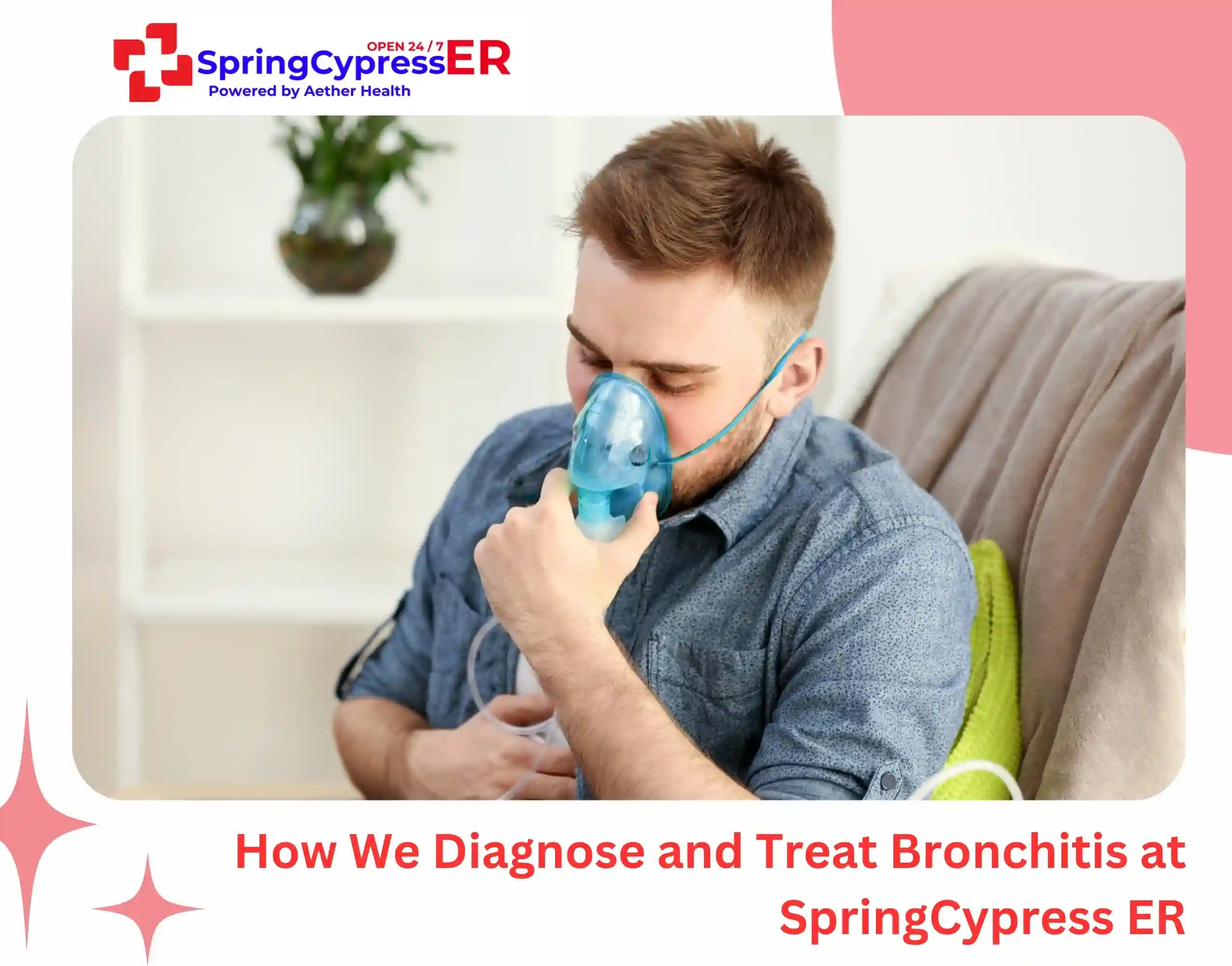
When bronchitis becomes severe or doesn’t respond to home care, our emergency room in Spring, TX is fully equipped to evaluate and treat it on site, no transfer required for most cases.
- Clinical evaluation: your physician listens to your lungs, reviews your symptoms and medical history, and determines whether your cough is bronchitis, pneumonia, asthma, or another condition entirely.
- Pulse oximetry: a simple finger clip checks your blood oxygen levels in seconds.
- Chest X-ray on-site imaging rules out pneumonia, lung masses, or other complications. Results are read within minutes.
- Lab testing blood work and respiratory virus panels (including flu, RSV, and COVID-19) when needed to guide treatment.
- Nebulizer breathing treatments delivered immediately for patients with wheezing or low oxygen levels. Relief often begins within minutes.
- Supplemental oxygen available on site for any patient whose oxygen drops below safe levels.
- Prescription medications inhalers, oral steroids, or antibiotics when clinically appropriate never reflexively.
- Clear discharge instructions written guidance on what to do at home, what symptoms should prompt return, and how to follow up with a primary care doctor.
Recovery Timeline: How Long Does Bronchitis Last?
Knowing what to expect during recovery helps you identify when your symptoms are improving normally and when something has gone wrong.
Days 1 to 5 Peak Symptoms
Fever, body aches, chest tightness, and dry cough are at their worst. Stay home, rest, and stay hydrated. Use over-the-counter medications for fever and discomfort.
Days 5 to 14 Productive Cough Phase
Fever should resolve. The cough often becomes wetter as mucus loosens this is a sign of healing, not worsening. Cough fits may still be frequent, especially in the morning or at night. Continue rest and humidified air.
Weeks 2 to 3 Lingering Cough
A residual dry cough is normal for up to 3 weeks even after the infection has cleared. Energy returns gradually. Avoid heavy exercise until the cough is fully gone.
Beyond 3 Weeks
A cough that lasts longer than 3 weeks is no longer normal acute bronchitis. Come in for an evaluation possible causes include post-viral airway sensitivity, asthma, pneumonia, allergies, or chronic bronchitis.
How to Prevent Bronchitis
Bronchitis is largely preventable with consistent precautions, especially during fall and winter in Texas.
- Wash your hands often with soap and water for at least 20 seconds.
- Get your annual flu shot and stay up to date on COVID-19 and pneumonia vaccines.
- Quit smoking, and avoid secondhand smoke and vaping.
- Wear a mask in crowded indoor spaces during peak respiratory illness season.
- Manage allergies uncontrolled allergies often trigger or worsen bronchitis.
- Change HVAC filters regularly and use an air purifier if you live near construction or heavy traffic.
- Avoid close contact with sick household members; clean shared surfaces.
- Wear a respirator mask when working with paint, solvents, sawdust, or insulation.
Frequently Asked Questions
Do I need antibiotics for bronchitis?
Usually no. About 9 out of 10 cases of acute bronchitis are caused by viruses, which antibiotics don’t treat. Taking unnecessary antibiotics causes side effects and contributes to antibiotic resistance. A clinical evaluation is the only way to determine whether antibiotics are truly needed in your case.
How long is bronchitis contagious?
Acute bronchitis caused by a virus is typically contagious for the first few days when symptoms start. Once fever is gone for 24 hours without medication and the cough has begun improving, the contagious period is usually over. Chronic bronchitis itself is not contagious.
Can bronchitis turn into pneumonia?
Yes. Bronchitis can progress to pneumonia, especially in children, older adults, smokers, and people with chronic illness. Warning signs include high fever, shortness of breath, chest pain, and a worsening cough after a few days of improvement. These symptoms warrant ER evaluation.
Is it safe to exercise with bronchitis?
Light activity is fine if you feel up to it. Avoid intense exercise until your cough has fully resolved pushing too hard during recovery can prolong symptoms and trigger asthma-like airway sensitivity.
Can children get bronchitis?
Yes, though young children more often develop bronchiolitis a related but distinct condition that affects smaller airways. Any child under 3 with persistent cough, fast breathing, or trouble feeding should be evaluated. We provide pediatric emergency care 24/7 at Aether Health – Spring Cypress ER.
Will my insurance cover an ER visit for bronchitis?
Aether Health – Spring Cypress ER accepts most commercial insurance plans and works directly with your insurer to avoid surprise billing. We do not currently accept Medicare, Medicaid, or Tricare. Call us before or during your visit if you have coverage questions we are happy to help.
Get Fast Bronchitis Care in Spring, TX Open 24/7, No Wait
When a cough won’t quit, a fever climbs, or breathing gets harder you should not wait days for an appointment or hours in a hospital ER. At Aether Health – Spring Cypress ER, on-site chest X-ray, breathing treatments, lab work, and prescription care give you relief and answers fast usually within 60 minutes of walking in.
- Address: 8929 Spring Cypress Rd, Spring, TX 77379
- Phone: +1 (713) 528-8703
- Hours: Open 24 hours, every day of the year
- Insurance: Most commercial plans accepted. No surprise billing.
Call Now: +1 (713) 528-8703 speak to our team in under 30 seconds. Or walk in any time at 8929 Spring Cypress Rd, Spring, TX 77379.