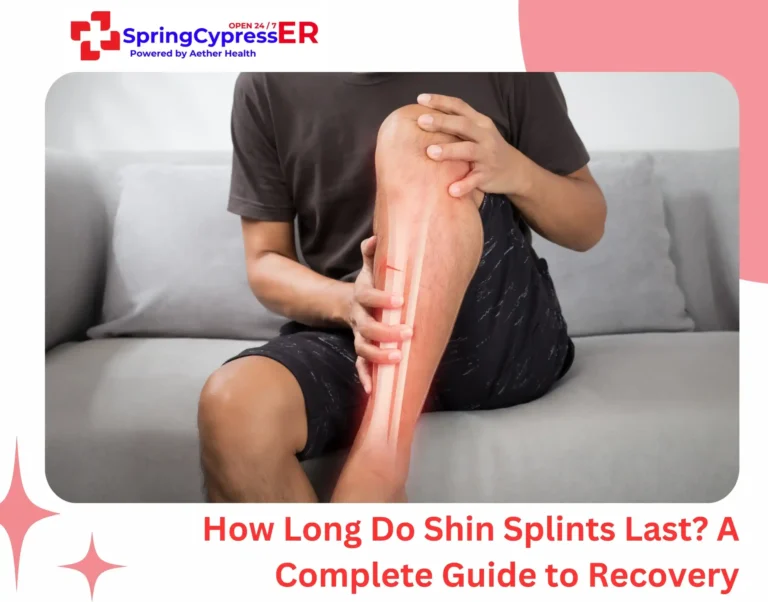
Shin splints are a common injury that can make running, walking, or even daily activities painful. Understanding how long they last and the best ways to recover is key to getting back on your feet safely.
In this article, we’ll break down the typical recovery timeline, tips to ease the pain, and strategies to prevent shin splints from returning.
What Are Shin Splints?
Shin splints are painful after effects that occur along the tibia, the prominent bone at the front of your lower leg. The medical term for it is medial tibial stress syndrome (MTSS). People typically feel the pain on the inner edge of the shinbone, but it can also occur along the front of this area.
Repetitive stress leads to irritation of the muscles, tendons and connective tissue where these structures attach to the tibia or shinbone, a condition called shin splints.
The repetitive tugging and pounding eventually causes inflammation and microscopic trauma within the bone and nearby soft tissues. It is not a fracture, in which the bone is cracked, but it is stressed.
This condition is most common in:
- Runners and joggers.
- Performers in springing or sprint running sports.
- Military recruits during training.
- Individuals who have recently intensified the frequency or duration of their workout.
So how long do shin splints last? In the beginning, shin splints may be a dull ache that comes on during activity and finds relief with rest. As the condition progresses, pain can occur earlier in workouts, last longer after them and even present during common daily activities like walking.
It is crucial to realize that shin splints are an overuse injury, not some kind of sudden accident. They come on slowly when we don’t allow our bodies enough time to adjust to new or greater demands. Spotting shin splints early is a major factor in how long they hang around, and how soon you can start to recover.
What Causes Shin Splints?
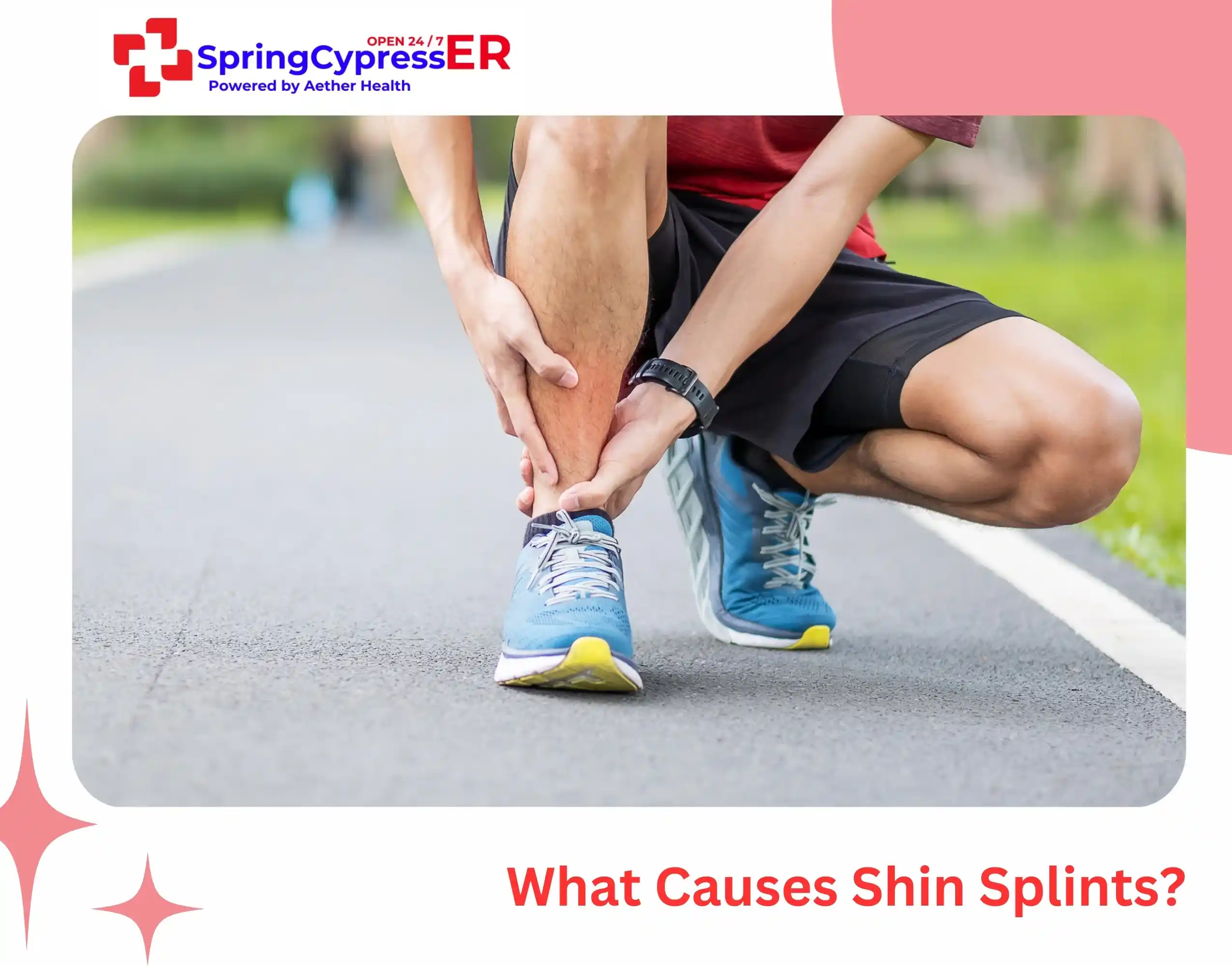
Shin splints occur when the lower leg is repeatedly pounded by impact or stress in a way that muscles, tendons, and bone attachments can’t handle. There are several factors involved in their evolvement such as:
Overexertion and Excessive Increase in Activity
The most common cause is accelerating your running distance, speed or intensity too quickly. Your muscles and bones require a break-in period to adjust to new workloads, and if you make changes too quickly, they can overload tissues along the shin.
Biomechanical Issues
When the foot rolls toward the inside after it hits the ground or high arches can place uneven pressure on the shinbone and its surrounding muscles. These poor biomechanics result in certain areas of the leg to be subjected to more force with every step, which makes irritation much more likely.
Poor Footwear or Running Surface
Worn-out shoes or those with inadequate cushioning, and running on a hard surface like concrete can also increase impact forces. Little differences in shoe support lead to discrepancies in how long shin splints last because lack of proper support keeps some tissues from recovery between steps.
Muscle Imbalances
Weak calves, tight Achilles tendons and a lack of hip and core strength can leave the shin muscles picking up the slack, leading to excessive strain. This imbalance causes pain along the tibia over time.
Training Errors
Skipping warm-ups, not stretching and overlooking rest days can all contribute to increasing shin stress. Shin splints aren’t always about mileage, they’re about recovery, form and slow progression.
How Long Do Shin Splints Typically Last? Typical Timelines
The response varies based on severity, cause and how soon you handle the injury. Although each case is different, studies and clinical experience suggest a general sense of recovery time frames:
Mild Shin Splints
Duration: 1–3 weeks
Symptom: Mild/occasional pain with activity, minor irritation at rest
Recovery notes: Tends to clear up fairly fast with rest, ice and some light stretching. Milder cases tend to be due to slight overuse or subtle tweaks in training.
Moderate Shin Splints
Duration: 3–6 weeks
Symptoms: Pain is worse after and early in activity, sometimes limiting daily movements
Recovery Notes: Activity modification, strengthening and may need PT.
Severe or Chronic Shin Splints
Duration: Several months if unmanaged
Symptoms: If you are suffering from severe shin splints, you may experience constant, aching pain even when you’re not exercising, swelling or tenderness along the inner part of your lower leg” as symptoms.
Recovery Notes: Severe cases may persist without biomechanical considerations, modifying footwear or adjusting training errors which can increase the risk of stress fractures. Professional evaluation is strongly recommended.
Why Timelines Vary
Recovery isn’t just about rest. Factors that influence duration include:
- Age and overall fitness.
- History of exercise training and current level of activity.
- Biomechanical factors (such as flat feet, or overpronation).
- Adherence to correction such as Stretching, Strengthening and footwears.
How to Tell If It’s Shin Splints or Something Else
Shin splints is not all of the pain along the shin. Accurate diagnosis of the cause is vital to establish appropriate treatment and prevent complications. Here is how to know shin splints from some other possible conditions:
Location of Pain
Shin Splints: Pain is on the inner edge of the tibia (shin bone) at the mid or lower shin. It can be diffuse, instead of focally situated.
Stress fracture: Pain is more focused, usually to a tiny point on the bone and can be triggered by tapping.
Tendonitis or compartmenting: Pain may radiate to the ankle or all over the anterior aspect of the leg and is typically accompanied by tightness, swelling, and/or numbness.
Timing and Behavior of Pain
Shin splints: The pain usually begins during activity and eases with rest, but may return with the next workout.
Stress fracture: Pain becomes progressively worse, and will occur at rest or night.
Compartment syndrome: Pain may be worse during activity and accompanied by numbness, pins and needles or a tight, swollen feeling in the calf.
Response to Pressure
Shin splints: Pain in the shin that’s tender to touch or press on, but not acute pain.
Stress fracture: Pain is very focal with firm pressure on bone.
Other symptoms: Might involve swelling, redness or bruising which shin splints aren’t generally responsible for.
Red Flags
If you observe any of the following symptoms, seek medical evaluation promptly:
- Sharp, severe pain at rest.
- Bruising or swelling on the shin.
- Some pain that lasts for more than 6 weeks and will not go away with rest.
- Loss of feeling, tingling, or weakness in a leg.
Effective Treatment & Recovery Strategies for Shin Splints
Shin splints are best treated with a combination of rest, specific exercises and lifestyle changes. The intention is to ease pain, facilitate healing and prevent a recurrence.
R.I.C.E. (Rest, Ice, Compression, Elevation)
Rest: Stay off your feet and limit any activities that bothers the shin such as running, jumping or sports. Low-impact options, such as swimming or cycling, to keep fitness without loading the tibia.
Ice: Ice pack 15-20 minutes, 2-3 times a day (especially after activity) to decrease inflammation.
Compression & Elevation: Not always needed for mild shin splints, however some compression sleeves and elevating the leg will help in swelling & discomfort potential reduction.
Activity Modification
- Step down the miles or intensity rather than cutting so abruptly.
- Skip hitting the pavement for softer tracks or treadmills if applicable.
- Add low-impact cross-training options to continue cardiovascular conditioning while reducing the impact load to the shins (e.g. cycling, swimming, or elliptical training).
Stretching & Strengthening Exercises
With these activities, you can turn your attention to the muscles behind your shin that speed up recovery:
- Calf stretches: Relieves stress on the shin muscles.
- Toe raises and heel drops: To build anterior and posterior lower leg muscles.
- Foot strengthening exercises: Enhance the arc support and ease to reduce overpronation stress.
- Hip/Core Stability Training: Strong hips = reduced overload on the shins.
Footwear & Orthotics
- Wear comfortable, supportive shoes suitable for your activity.
- Regularly change worn-out shoes to avoid overload impact.
- Flat feet or biomechanical asymmetry are factors to consider custom orthotics for.
Physical Therapy
An effective physical therapy treatment can:
- Assess gait and biomechanics.
- Recommend targeted strengthening and stretching.
- Teach the importance of warming up and cooling down.
- Offer a taping or bracing remedy to take pressure off the tibia.
Physical therapy is an effective nonsteroid alternative which substantially reduces healing time and provides for no reoccurrence in moderate to chronic cases.
Gradual Return to Activity
As pain decreases, increase the level of intensity and duration for training at a gradual pace.
Follow the “10% rule”: you can increase your weekly mileage by no more than 10%.
Watch during and after workouts for an increase in pain, which may mean that you need to cut back.
How Can You Stop Shin Splints from Coming Back?
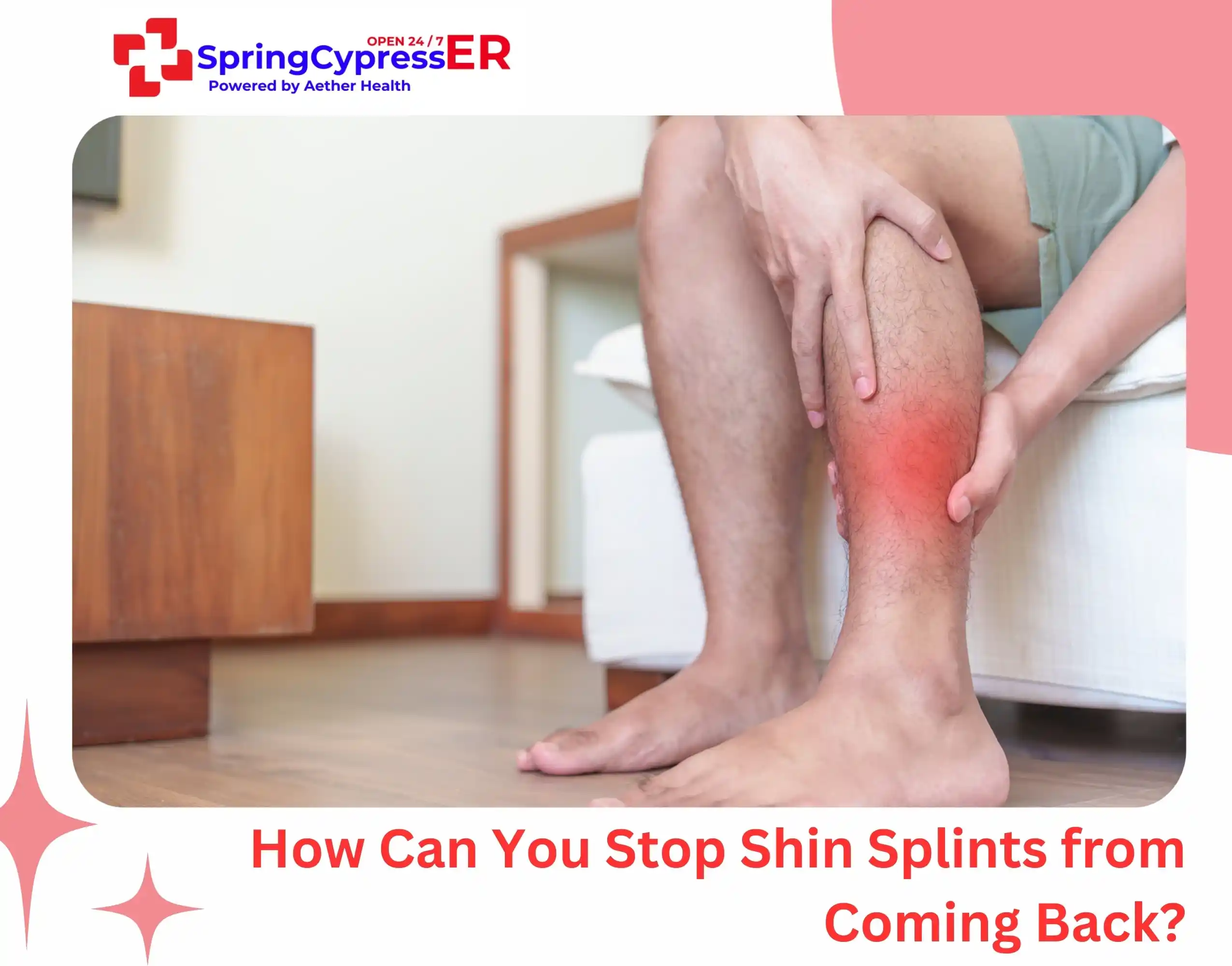
As is often the case with injuries, the best cure for shin splints is prevention. Even a shin that has fully healed can be susceptible to further injury if not properly looked after. Here are tips to minimize the risk of having it again.
Gradual Training Progression
- Don’t ramp up running distance, speed or intensity suddenly.
- Follow the 10% rule: up mileage no more than 10% a week.
- Include cross-training days to decrease strain on your shins.
Proper Warm-Up and Cool-Down
- Begin with dynamic stretching and light cardio to warm up the muscles and tendons everytime.
- End with static stretches for calves, shins and feet to help keep the muscles flexible.
Strengthening and Mobility Work
- Lower leg strengthening: Toe raises, heel drops, and foot exercises to help increase shock absorption.
- Core and hip strength: If your body is properly aligned, there’s less compensatory stress on those shins.
- Balance training: Maintains foot and ankle stability when simply running or engaging in high-impact exercises.
Footwear and Surface Considerations
- Wear proper shoes for your foot type and activity.
- Change those classic shoes to keep the cushions and supports current.
- Avoid continually running hard and uneven; intersperse with softer tracks or treadmills.
When to Seek Medical or Specialist Care
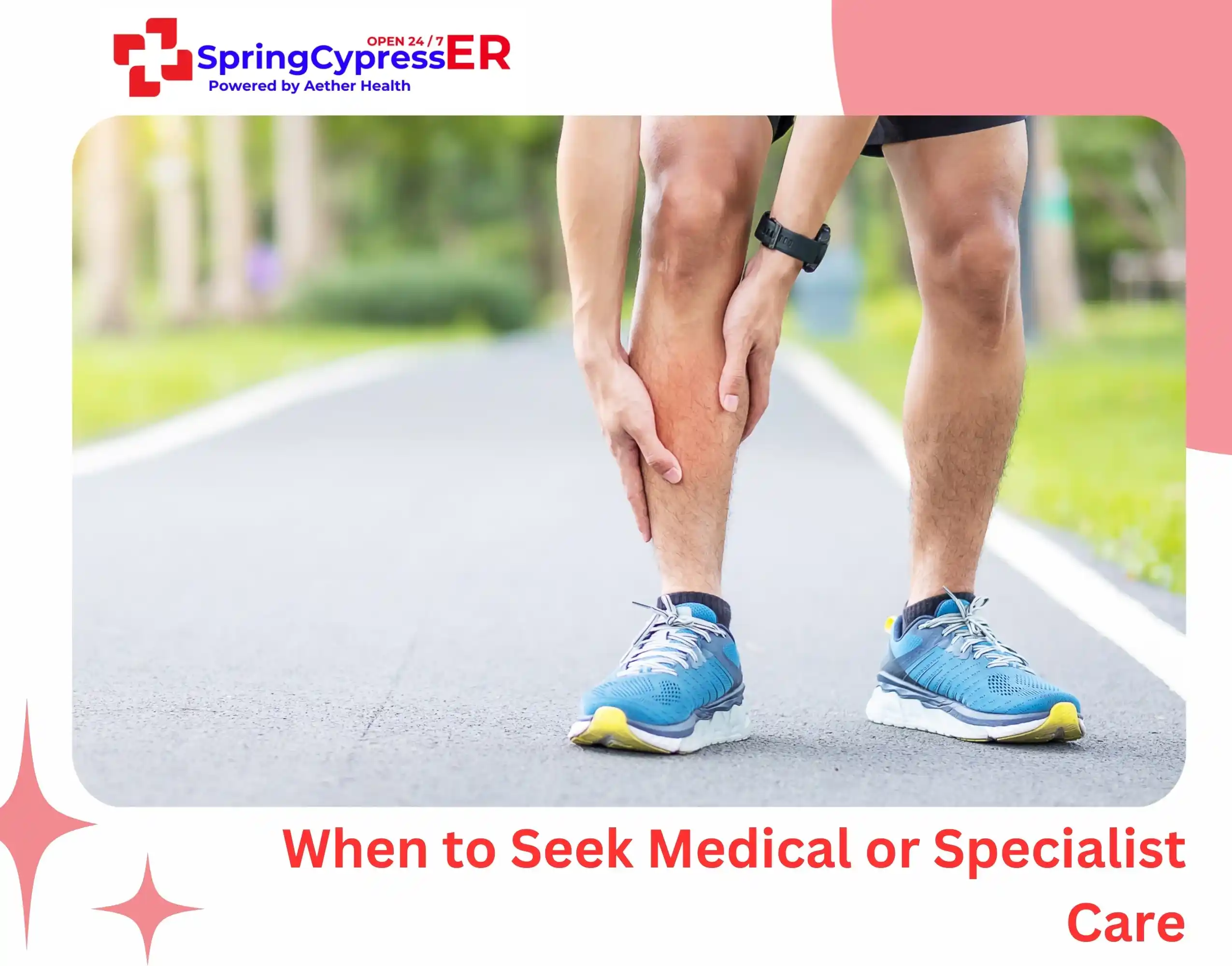
Although most shin splints resolve with rest, training modification, and strengthening, there are some circumstances in which expert evaluation is necessary. The early treatment will avoid more serious injuries such as stress fractures or chronic shin pain.
Get help if you see:
- Severe or increasing pain that doesn’t relent even when resting.
- Swelling, redness or bruising in the shin.
- Prolonged (>6 weeks) pain despite conservative treatment.
- Loss of sensation or a burning or tingling feeling in the lower leg.
- Pain in a focused area, possibly at the site of the fracture suggesting a stress fracture.
What Medical Evaluation Can Offer
- Diagnosis: Stress fractures, compartment syndrome or tendon injuries.
- Imaging: X-ray, MRI or bone scans as necessary.
- Focused Treatment Plans: This may include physical therapy, bracing or modifying the activities.
- Recovery Timeline Advice: Tailored counsel by severity and level of fitness.
With chronic or severe shin pain, it is important to visit evaluation centres, such as Spring Cypress ER for prompt evaluation and a regimented plan of action to get you back in action as safely as possible with minimal long-term damage.
Final Thoughts
Shin splints are a common condition that is vastly misunderstood. The best thing you can do for recovery is to know that a healing timeline depends on the severity of the issue, what caused it and how well you manage it.
- Mild cases of shin splints will get better within 1 to 3 weeks with rest, ice and stretching.
- Mild cases might take 3–6 weeks, including modification of activities, strengthening and appropriate footwear.
- Severe or chronic shin splints can persist for months if the underlying imbalances or training errors are not resolved.
Frequently Asked Questions (FAQs)
1.How long do shin splints usually last?
Mild shin splints often improve within 1–3 weeks, moderate cases take 3–6 weeks, and severe or chronic cases may last several months without proper care.
2.What causes shin splints?
Shin splints are caused by repetitive stress on the tibia, often from overuse, sudden increases in activity, poor footwear, or biomechanical issues like flat feet or muscle imbalances.
3.How can I speed up recovery from shin splints?
Recovery is fastest with rest, ice, proper footwear, stretching, and strengthening exercises, along with gradual return to activity and, if needed, guidance from a physical therapist.
4.Can shin splints be prevented?
Yes. Prevention involves gradual training progression, proper warm-ups, strengthening and mobility exercises, supportive footwear, and monitoring early symptoms to avoid aggravating the injury.
5.Where is Spring Cypress ER located, and Is It Open 24/7?
Spring Cypress ER is at 8929 Spring Cypress Rd, Spring, TX 77379, USA, and is a 24/7 emergency facility, providing immediate evaluation and care for shin splints, sports injuries, and other urgent conditions.