

A blood clot in the brain is a medical emergency that requires immediate treatment. It usually causes an ischemic stroke, where a clot blocks blood flow to part of the brain, depriving it of oxygen and nutrients.
Treatment focuses on one main goal, which is to restore blood flow to the brain as quickly as possible to prevent permanent damage or death.
This comprehensive guide looks into what is the treatment for blood clot in brain and when such a situation is a medical emergency.
What Happens When There’s a Blood Clot in the Brain?
When a clot blocks a blood vessel in the brain, brain cells begin to die within minutes due to lack of oxygen. The longer the blockage remains, the greater the damage.
That’s why treatment is extremely time-sensitive. Doctors act quickly to:
- Dissolve or remove the clot.
- Restore circulation.
- Protect brain tissue.
If you or your loved ones are experiencing such a situation, opt for an immediate blood clot treatment to prevent further damage.
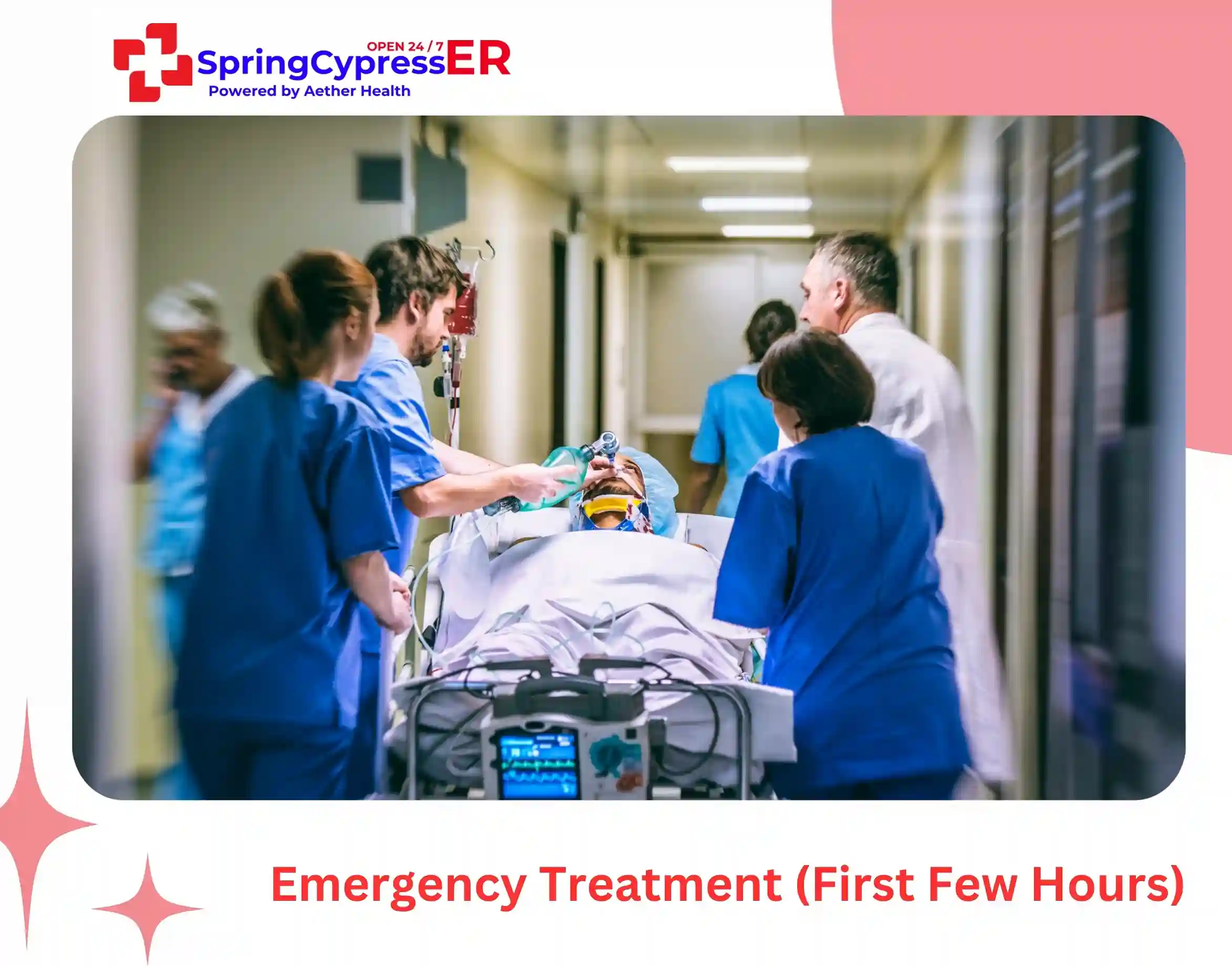
Emergency Treatment (First Few Hours)
1. Clot-Busting Medications (Thrombolytics)
The most common and effective early treatment is thrombolytic therapy, also known as clot-busting drugs.\
- Given through an IV.
- Works by dissolving the blood clot.
- Must be administered within 3 to 4.5 hours of symptoms.
The most widely used drug is tissue plasminogen activator (tPA), which helps restore blood flow quickly and reduces long-term disability.
This is considered the gold standard treatment for ischemic stroke.
2. Mechanical Clot Removal (Thrombectomy)
If medication is not enough or the clot is large, doctors may perform a thrombectomy.
- A thin tube (catheter) is inserted through an artery.
- Guided to the brain.
- The clot is physically removed.
This procedure can be performed within several hours (up to 24 hours in some cases).
It is especially useful for large clots that cannot be dissolved with medication alone.
3. Oxygen and Supportive Care
During emergency treatment, doctors also stabilize the patient by:
- Providing oxygen to improve brain function.
- Monitoring blood pressure and heart rate.
- Managing blood sugar levels.
These steps help protect the brain while the main treatment is performed
Medications After Initial Treatment
Once the clot is treated, medications are used to prevent further complications.
Blood Thinners (Anticoagulants)
These medications reduce the blood’s ability to clot and prevent new clots from forming.
- Examples include heparin or other anticoagulants.
- Often started after initial treatment.
Antiplatelet Drugs
Drugs like aspirin help prevent platelets from sticking together and forming new clots.
Cholesterol and Risk Control Medications
Doctors may prescribe statins and other drugs to:
- Lower cholesterol.
- Reduce stroke risk.
- Improve long-term heart and brain health.
These medications are essential for preventing future strokes.
Surgical Treatment (In Severe Cases)
In some cases of brain blood clot, surgery may be required.
Decompressive Surgery
If the brain swells significantly, doctors may perform surgery to relieve pressure.
- A portion of the skull is temporarily removed.
- Reduces pressure inside the brain.
- This is used in life-threatening situations where swelling could cause further damage.
Rehabilitation After a Brain Blood Clot
Treatment does not end after the clot is removed. Recovery often requires rehabilitation.
Physical Therapy
Helps regain strength, balance, and movement in affected limbs.
Speech Therapy
Assists with speaking, swallowing, and communication difficulties.
Occupational Therapy
Helps patients relearn daily activities like dressing, eating, and writing.
Cognitive Therapy
Improves memory, focus, and thinking skills.
Rehabilitation can take weeks, months, or longer, depending on the severity of the damage
Why Fast Treatment Is Critical
Time is the most important factor in treating a brain clot.
- Brain cells begin to die within minutes.
- Early treatment can reduce disability.
- Delays can lead to permanent damage or death.
Even a few hours can make a major difference in recovery outcomes.
Long-Term Prevention After Treatment
After recovery, preventing another clot is a key focus.
Doctors often recommend:
- Controlling blood pressure.
- Managing diabetes.
- Eating a healthy diet.
- Regular exercise.
- Quitting smoking.
These lifestyle changes significantly reduce the risk of another stroke.
When to Seek Emergency Help
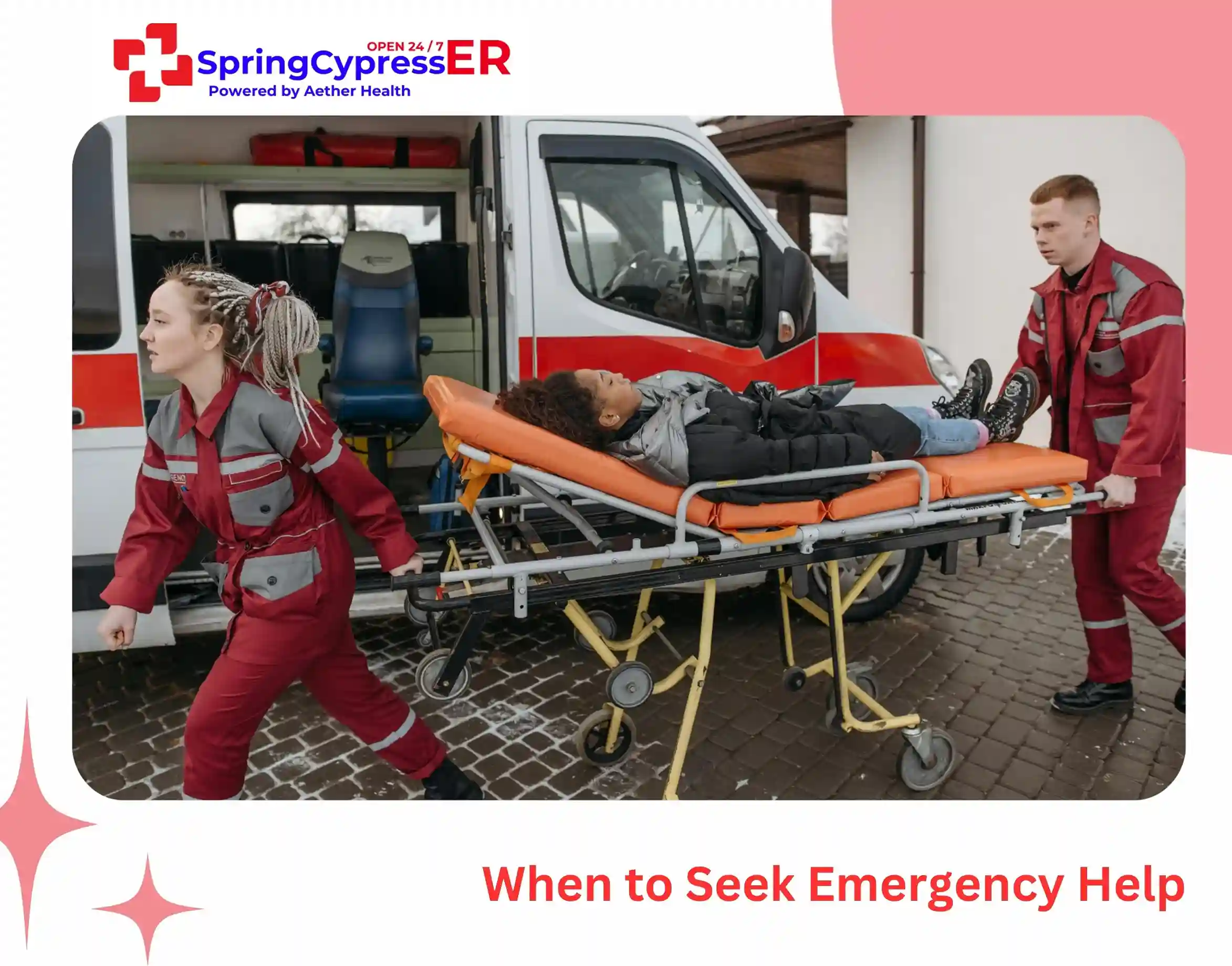
Immediate medical care or a visit to a nearest emergency room is required if you notice symptoms like:
- Sudden weakness on one side of the body.
- Difficulty speaking or understanding.
- Vision problems.
- Severe headache.
- Loss of balance.
These may indicate a blood clot in the brain and require urgent treatment.
Final Thoughts
So, what is the treatment for blood clot in brain?
Well, it involves rapid emergency care, including clot-dissolving medications or surgical removal, followed by medications and rehabilitation to support recovery and prevent future strokes.
Fast treatment saves brain cells, reduces disability, and can save lives.
FAQs
What is the first treatment for a blood clot in the brain?
The first treatment is usually a clot-dissolving medication (tPA) given within a few hours of symptoms.
Can a blood clot in the brain be removed?
Yes, doctors can remove it using a procedure called thrombectomy in certain cases.
Is surgery always needed for a brain clot?
No, many cases are treated with medication, but surgery may be required for severe cases.
How long does recovery take after a brain clot?
Recovery can take weeks to months, depending on the severity and treatment timing.
Can a brain clot be cured completely?
Many people recover well with timely treatment, but outcomes vary based on how quickly care is received.