

Food poisoning, also known as foodborne illness, occurs when you consume food or beverages contaminated with harmful bacteria, viruses, parasites, or toxins. It is a common condition that can affect anyone and may range from mild digestive discomfort to severe illness requiring medical care.
Recognizing food poisoning symptoms early is essential for managing the condition, preventing dehydration, and knowing when to seek medical attention. This comprehensive guide explains the common symptoms, causes, timeline of illness, and warning signs that require medical care.
What Is Food Poisoning?
Food poisoning happens when contaminated food or drink introduces harmful microorganisms or toxins into the body. These contaminants may enter food during growing, processing, transportation, storage, or preparation.
Improper food handling, including inadequate handwashing and cross-contamination, when raw animal products touch other foods before cooking, or the failure to store foods correctly, can also set off a food-borne illness.
Though many cases resolve over days, a number of infections from accidental food poisoning can cause serious complications, particularly among at-risk groups.
Most Common Food Poisoning Symptoms
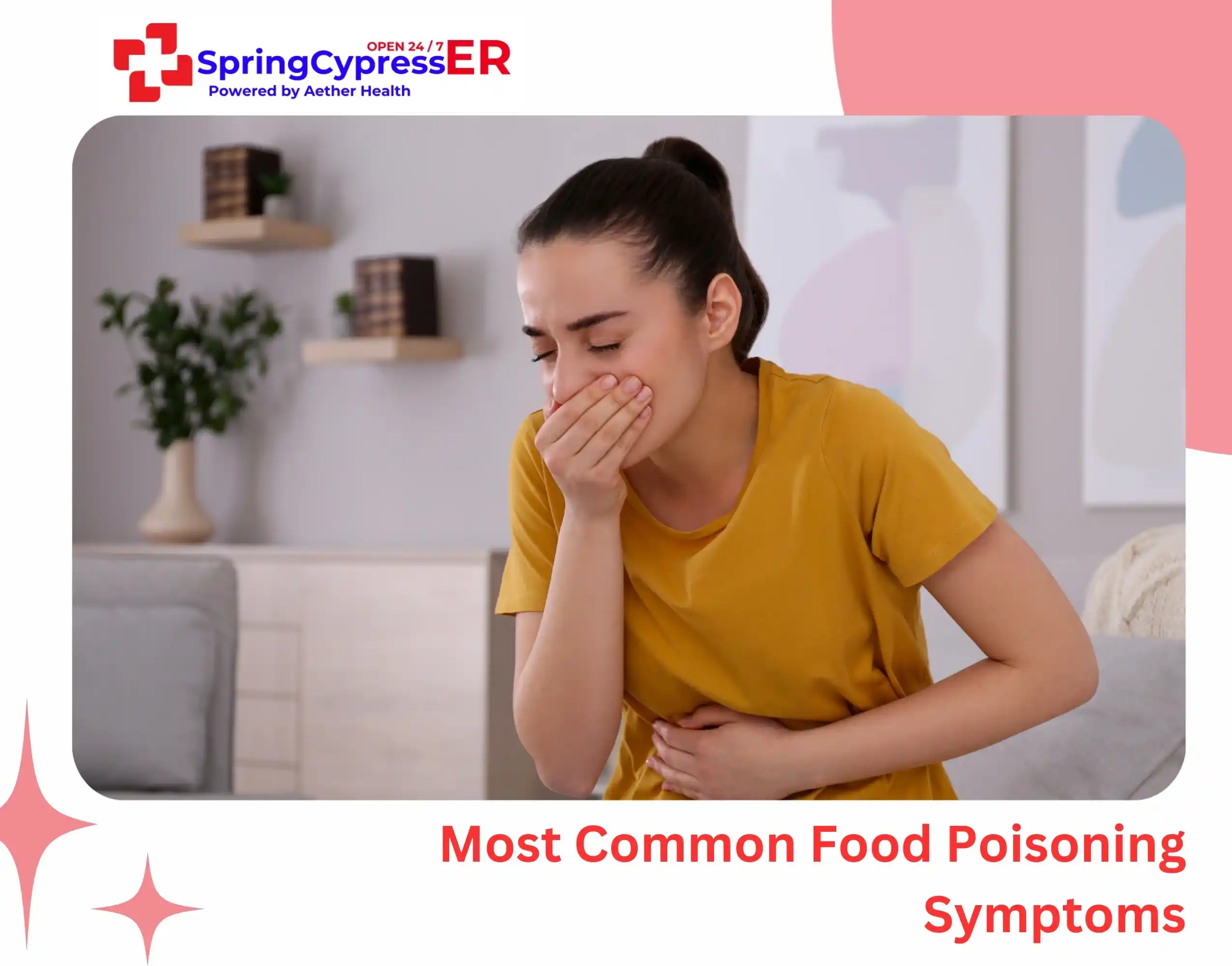
Food poisoning symptoms can differ based on the type of contaminant and the person’s overall health. However, there are several symptoms that are common to most cases.
Nausea and Vomiting
Nausea and vomiting are some of the initial symptoms of food poisoning, and also the most common. When the stomach is upset, the body tries to expel negative toxins in a specific way: through vomit.
Diarrhea
Diarrhea is another frequent sign, which can sometimes be watery or even bloody. It happens when the digestive system responds to infection or poison.
Stomach Pain and Cramps
Abdominal pain and cramping arise when the digestive tract is inflamed because of infection. The cramps can vary from a mild stinging sensation to violent abdominal pain.
Fever
A fever can develop as the body’s immune system combats the infection. Low to moderate fever is common in many food borne illnesses.
General Weakness and Fatigue
Food poisoning can make people feel weak, tired or dehydrated from fluid loss and illness.
Additional Symptoms of Food Poisoning
Aside from the usual digestive symptoms, some may have additional symptoms based on the particular pathogen.
These may include:
- Headaches.
- Muscle aches.
- Chills.
- Loss of appetite.
- Feeling generally unwell or fatigued.
Some of the infections may also involve the nervous system, leading to such symptoms as:
- Blurred or double vision.
- Muscle weakness.
- Abnormal sensation in the skin, such as tingling or numbness.
These symptoms are uncommon, but should be evaluated by a doctor right away.
How Soon After Infection Do Symptoms of Food Poisoning Develop?
Food poisoning symptoms can develop within hours, or several days after eating tainted food. The time frame varies according to the bacteria, virus or toxin in question.
Examples include:
- Half an hour to 8 hours: Certain toxin-producing bacteria.
- 12 to 48 hours: Infections of Norovirus.
- 6 hours to 6 days: Salmonella illness.
Because symptoms can develop later, it is sometimes difficult to pinpoint the specific food that sickened someone.
Severe Food Poisoning Symptoms
Although many cases of food poisoning are mild, some infections can progress to serious illness and need medical treatment.
Seek medical care if you experience:
- Diarrhea lasts longer than three days.
- Bloody diarrhea.
- Fever higher than 102°F (39°C).
- Frequent vomiting that prevents keeping liquids down.
- Signs of dehydration such as dizziness, dry mouth, or reduced urination.
Severe dehydration or infection may require hospitalization and intravenous fluids.
Food Poisoning Symptoms in Children and Older Adults
Certain groups are more vulnerable to serious complications from food poisoning, including:
- Young children.
- Adults over 65.
- Pregnant women.
- People with weakened immune systems.
Children may become dehydrated quickly due to vomiting and diarrhea, so early medical attention is especially important.
Complications of Food Poisoning
Although uncommon, food poisoning can sometimes lead to more serious health complications.
Possible complications include:
- Kidney damage.
- Blood infections.
- Brain or nervous system damage.
- Arthritis or long-term digestive problems.
These complications highlight why persistent or severe symptoms should never be ignored.
What Causes Food Poisoning?
Food poisoning can occur when food is contaminated with harmful microorganisms or toxins.
Common causes include:
Bacteria
Bacteria are among the most common causes of food poisoning.
Examples include:
- Salmonella.
- E coli.
- Listeria.
- Campylobacter.
Viruses
Viruses such as norovirus are also major contributors to foodborne illness.
Parasites and Toxins
Certain parasites and toxins produced by bacteria can contaminate food and cause illness.
High-risk foods often include:
- Undercooked meat or poultry.
- Raw seafood.
- Unpasteurized dairy products.
- Unwashed fruits and vegetables.
When to See a Doctor
Most cases of food poisoning improve within a few days with rest and hydration. However, medical attention or a visit to the nearest emergency room is necessary if symptoms become severe or persistent.
Contact a healthcare provider if you experience:
- High fever.
- Severe abdominal pain.
- Blood in stool.
- Persistent vomiting.
- Signs of dehydration.
- Symptoms lasting more than three days
How To Prevent Food Poisoning
Food poisoning can often be prevented by practicing proper food safety habits.
Important prevention steps include:
- Washing hands before handling food.
- Cooking meat and seafood thoroughly.
- Avoiding cross-contamination between raw and cooked foods.
- Refrigerating food promptly.
- Avoiding unpasteurized dairy products.
Final Thoughts
Food poisoning symptoms can range from mild digestive discomfort to severe illness requiring medical care. Common signs include nausea, vomiting, diarrhea, stomach cramps, and fever. Because symptoms may appear hours or days after consuming contaminated food, recognizing warning signs early is important.
Most cases resolve within a few days with rest and hydration. However, severe symptoms such as persistent vomiting, dehydration, or high fever require prompt medical attention.
Frequently Asked Questions (FAQs)
1) What are the first signs of food poisoning?
Early symptoms often include nausea, vomiting, stomach cramps, diarrhea, and fatigue.
2) How long does food poisoning last?
Most cases resolve within 24 to 72 hours, but some infections may last several days depending on the cause.
3) How soon do food poisoning symptoms start?
Symptoms may begin within a few hours or up to several days after eating contaminated food.
4) What is the most common symptom of food poisoning?
Diarrhea and stomach cramps are among the most common symptoms of food poisoning.
5) When should you go to the doctor for food poisoning?
Seek medical care if symptoms include high fever, bloody diarrhea, severe dehydration, persistent vomiting, or illness lasting more than three days.