

A sore throat is a common health complaint that causes pain, irritation, or scratchiness in the throat, often making it uncomfortable to swallow or speak. Medically known as pharyngitis, this condition occurs when the tissues lining the throat become inflamed.
While most sore throats are mild and resolve within a few days, understanding the underlying causes of a sore throat can help determine when simple home care is enough and when medical attention is necessary. This comprehensive guide explains the most common sore throat causes, risk factors, and when to seek medical care.
What Is A Sore Throat?
A sore throat occurs when the tissues of the throat become inflamed or irritated. This inflammation can be triggered by infections, environmental irritants, allergies, or underlying medical conditions.
Most cases are due to viral infections, such as the common cold or flu, but bacteria and other factors can also cause throat pain. Also, sore throat can easily lead to infections and fever so on-time sore throat treatment is very crucial.
Most Common Sore Throat Causes

Viral Infections
Viral infection of the upper respiratory tract mentioned is the commonest cause responsible for sore throat.
Viruses provoke inflammation in the tissues of the throat, which causes pain and irritation. These infections typically go away on their own within a few days without antibiotics.
Viral infections that might lead to a sore throat include:
- Common cold.
- Influenza (flu).
- Mononucleosis (“mono”).
- Measles.
- Chickenpox.
- COVID-19.
- Croup in children.
Because these illnesses are viral in nature, treatment typically centers on relieving symptoms rather than taking antibiotics.
Bacterial Infections
Less common but potentially more serious than viral infections, bacterial infections can also cause sore throats.
For bacterial causes, the most famous is strep throat, which is caused by Streptococcus pyogenes (Group A Streptococcus).
Strep throat can cause:
- Severe throat pain.
- A High Fever.
- Swollen lymph nodes.
- White patches on the tonsils
Unlike most viral infections, bacterial ones typically require treatment with antibiotics to prevent complications like rheumatic fever or problems in the kidneys.
Non-Infectious Sore Throat Causes
Not every sore throat is caused by an infection. There are many environmental and lifestyle factors, contributing to these symptoms which would irritate the throat and make it uncomfortable for long. Such causes include:
Allergies
Environmental triggers can also be the cause of allergic reactions and thus throat irritation.
Common allergens include:
- Pollen.
- Mold.
- Dust mites.
- Pet dander.
- Postnasal drip, which happens when mucus from the nose drips down the back of the throat and causes irritation, often occurs with allergies.
Those with seasonal allergies may develop sore throats, but so do people who just sneeze and have congestion and itchy eyes.
Acid Reflux (GERD)
Gastroesophageal reflux disease (GERD) happens when stomach acid flows back up into the esophagus and throat. This acidic secretion irritates the throat lining and potentially leads to chronic throat pain.
Symptoms include:
- Reflux-related sore throat.
- Burning sensation in the throat.
- Heartburn.
- Hoarseness.
- Feeling a lump in the throat.
If untreated, chronic acid reflux can cause persistent irritation of the throat.
Dry Air and Dehydration
Dry air, particularly in winter months can strip moisture from throat tissues, leaving them dry and irritated.
Other contributing factors include:
- Sleeping with the mouth open.
- Breathing through the mouth due to nasal congestion.
- Dehydration
Environmental Irritants
Breathing in irritating substances can irritate the throat.
Common irritants include:
- Tobacco smoke.
- Air pollution.
- Chemical fumes.
- Cleaning products.
- Dust and mold particles.
Chronic throat irritation is also a major impact of smoking and secondhand smoke.
Alcohol, spicy foods and chewing tobacco also can make throat irritation worse.
Voice Strain
Using the voice too much or outside its normal range can put strain on throat muscles, leading to soreness.
Common activities that cause voice strain include:
- Yelling or shouting.
- Singing for long periods.
- Speaking loudly for extended periods.
This type of sore throat is common in teachers, singers and public speakers.
Medical Problems That May Lead To Sore Throat
Some health concerns might also lead to chronic throat pain.
Tonsillitis
Tonsillitis is an infection that causes the tonsils to become infected, swollen and inflamed. This condition can result from viruses or bacteria.
Symptoms may include:
- Swollen tonsils.
- White spots on the tonsils.
- Difficulty swallowing.
- Fever.
Chronic Sinus Infections
Repeated sinus infections can cause mucus to drain down the throat, leading to irritation and soreness.
This is called postnasal drip, which frequently triggers:
- throat clearing.
- cough.
- throat irritation.
- Fungal Infections.
Fungal infections like oral thrush can lead to sore throat in those with suppressed immune systems or who are on prolonged antibiotics or steroids.
Rare Causes: Tumors or Serious Conditions
Although rare, persistent throat pain may sometimes be associated with more serious conditions such as throat or voice box tumors.
Possible warning signs include:
- Persistent hoarseness.
- Difficulty swallowing.
- A lump in the neck.
- Blood in saliva or mucus.
Anyone experiencing these symptoms should seek medical evaluation promptly.
Risk Factors for Sore Throat Causes
Certain factors increase the likelihood of developing throat irritation or infection.
These include:
- Being around people with respiratory infections.
- Smoking or exposure to secondhand smoke.
- Seasonal allergies.
- Weak immune system.
- Frequent sinus infections.
- Exposure to air pollution or chemical irritants.
Children and teenagers are particularly susceptible to bacterial sore throat infections like strep throat.
Common Symptoms Associated With Sore Throat
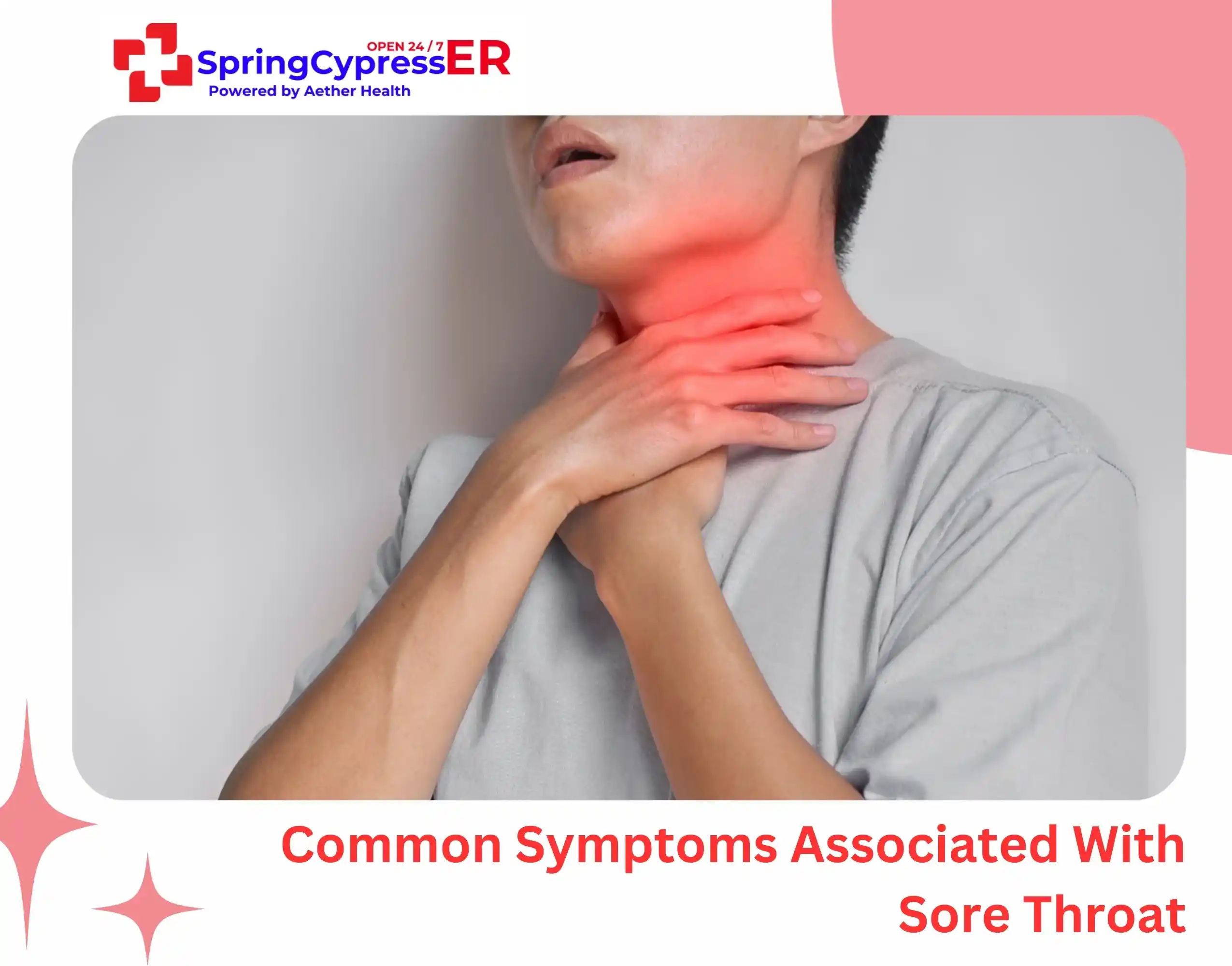
Symptoms can vary depending on the cause but often include:
- Pain or scratchy feeling in the throat.
- Pain when swallowing or speaking.
- Swollen lymph nodes in the neck.
- Hoarseness.
- Swollen or red tonsils.
- White patches or pus in the throat.
Other symptoms such as fever, cough, or fatigue may appear depending on the underlying illness.
When To See A Doctor
Most sore throats improve within a few days with rest and hydration. However, medical care or a visit to the emergency room may be necessary if symptoms become severe or persistent.
Seek medical attention if you experience:
- A sore throat lasting longer than one week.
- Difficulty breathing or swallowing.
- High fever.
- Severe pain.
- Swollen lymph nodes.
- White patches or pus in the throat.
These symptoms may indicate a bacterial infection or another underlying condition that requires treatment.
How To Prevent Sore Throat

Although it is not always possible to prevent a sore throat, several habits can reduce your risk.
Helpful prevention measures include:
- Washing hands regularly.
- Avoiding close contact with sick individuals.
- Staying hydrated.
- Using a humidifier in dry environments.
- Avoiding smoking and polluted environments.
- Maintaining good hygiene and a healthy immune system can significantly reduce the risk of infections.
Final Thoughts
A sore throat can occur for many reasons, but most cases are caused by viral infections such as the common cold or flu. Other causes include bacterial infections like strep throat, allergies, acid reflux, environmental irritants, and voice strain.
While most sore throats improve within a few days, persistent or severe symptoms should never be ignored.
Frequently Asked Questions (FAQs)
1) What is the most common cause of a sore throat?
Viral infections such as the common cold or flu are the most common causes of sore throats.
2) Can allergies cause a sore throat?
Yes. Allergies can cause postnasal drip, which irritates the throat and leads to soreness.
3) Can acid reflux cause a sore throat?
Yes. Acid reflux (GERD) can irritate the throat when stomach acid flows back into the esophagus.
4) How long does a sore throat usually last?
Most sore throats caused by viral infections resolve within three to ten days.
5) When should you see a doctor for a sore throat?
You should see a doctor if your sore throat lasts longer than a week, becomes severe, or is accompanied by fever, difficulty swallowing, or breathing problems.