
Tingling in ear often catches you mid-conversation or jolts you awake at night. The prickling sensation might last seconds or linger for days. The cause could be as simple as earwax pressing against your ear canal or as complex as nerve irritation from your jaw or neck.
So, let’s learn the common reasons for ear tingling, what it means, and when you should seek care.
What Does Tingling in the Ear Mean?
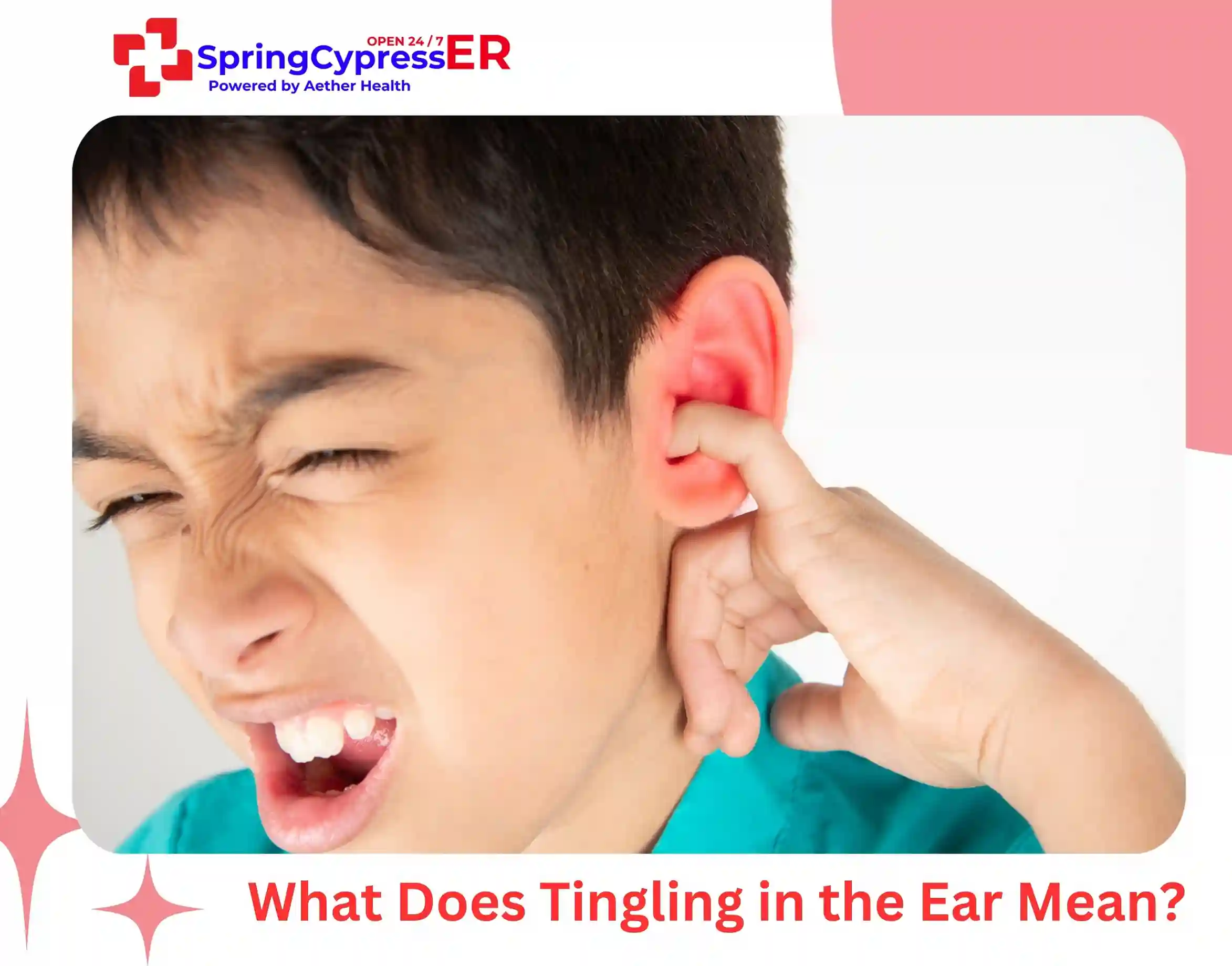
Tingling in the ear typically means something is irritating the ear canal, affecting pressure balance, or stimulating nerves around the ear. Common triggers include earwax buildup, sinus congestion, infections, nerve irritation, or jaw tension. The sensation can feel like prickling, crawling, or light buzzing inside the ear.
Your ear contains sensitive nerve endings that respond to pressure changes, inflammation, and physical contact. When these nerves become irritated, they send signals your brain interprets as tingling. The sensation may affect the outer ear, ear canal, or feel deeper inside.
What Causes Tingling in the Ear?
Tingling in ear happens when something irritates the ear or the nerves around it. This can be from too much earwax, a cold or allergies, an ear infection, jaw problems, or changes in pressure, like when flying.
Common causes include:
1. Earwax Buildup
Excess earwax pressing against the ear canal is one of the most frequent causes of ear tingling. The wax stimulates sensitive nerve endings, creating a prickling or tickling sensation.
Signs include tingling or itching, a blocked feeling, muffled hearing, and pressure inside the ear. Professional removal typically resolves symptoms immediately.
2. Ear Infections
Middle ear infections (otitis media) and outer ear infections cause inflammation that irritates nerve endings. The tingling often accompanies pain, pressure, or drainage.
Middle ear infections typically follow colds or respiratory illness. Outer ear infections develop from trapped moisture or minor injuries to the ear canal.
3. Eustachian Tube Dysfunction
The Eustachian tube connects your middle ear to your throat, equalizing pressure. When blocked or inflamed, pressure builds behind the eardrum, causing tingling, popping, or fullness.
Common triggers include colds, allergies, sinus infections, altitude changes, and flying. Symptoms usually resolve once congestion clears.
4. Nerve Irritation
Several nerves supply sensation to the ear. When irritated, they can produce tingling without any ear problem itself.
Causes include trigeminal nerve irritation, cervical spine tension, facial nerve dysfunction, and poor posture straining neck muscles. The tingling may extend to the jaw, face, or neck.
5. TMJ Disorders
The temporomandibular joint sits directly in front of your ear. Jaw clenching, teeth grinding, or joint dysfunction can irritate nerves shared between the jaw and ear.
TMJ-related ear tingling often worsens with chewing, yawning, or jaw movement. You may also notice jaw clicking, facial pain, or headaches.
6. Tinnitus
Tinnitus causes ringing, buzzing, or other sounds in the ear without an external source. Some people experience tingling alongside these phantom sounds.
Triggers include noise exposure, age-related hearing changes, ear infections, and certain medications. Tinnitus itself isn’t dangerous but may indicate underlying conditions worth evaluating.
7. Allergies and Skin Conditions
Allergic reactions can cause tingling, itching, or irritation in the ear canal. Contact allergies to earbuds, hearing aids, or earrings are common culprits.
Skin conditions like eczema or psoriasis affecting the ear can also produce tingling sensations alongside flaking, redness, or itching.
8. Swimmer’s Ear
Water trapped in the ear canal creates a moist environment where bacteria thrive. The resulting infection causes tingling, itching, pain, and sometimes drainage.
Swimmer’s ear typically affects the outer ear canal. Early symptoms include tingling and itchiness before pain develops.
9. Anxiety and Stress
Stress tightens jaw and neck muscles, irritating nerves that supply the ear. Anxiety can also heighten awareness of normal body sensations, making mild tingling feel more noticeable.
Many people report tingly ears during periods of high tension. Relaxation techniques and stress management often reduce symptoms.
10. Pressure Changes
Flying, diving, or rapid altitude changes affect middle ear pressure. Until pressure equalizes, you may feel tingling, popping, or fullness.
Swallowing, yawning, or gentle nose-blowing usually helps. Persistent symptoms after pressure changes warrant evaluation.
Why Does My Ear Feel Like Something Is Crawling or Stuck Inside?
A crawling, tickling, or moving sensation in the ear can be uncomfortable, even when you cannot see anything inside. Several conditions can produce similar feelings, so the sensation alone cannot confirm that an object or insect is present.
Possible explanations include:
- Earwax buildup: Excess wax can cause itching, fullness, and an unusual sensation inside the ear canal.
- Skin irritation: Dry skin, eczema, or irritation from earbuds and hearing devices may cause itching or tickling.
- Ear canal inflammation or infection: Irritation and swelling may produce discomfort, itching, or a blocked feeling.
- Pressure changes: Problems equalizing pressure in the middle ear may cause fullness, popping, or unusual ear sensations.
- A foreign object: An object or insect in the ear canal can sometimes cause a crawling or moving sensation and may require professional removal.
What Should You Do If Your Ear Feels Blocked?
Avoid inserting cotton swabs, fingers, tweezers, or other objects into the ear canal. These can push wax deeper or injure the ear. If you suspect an insect or another object is inside, seek medical advice rather than attempting blind removal.
Arrange an examination if the sensation persists, keeps returning, or occurs with pain, discharge, or changes in hearing. Seek urgent care for severe symptoms or sudden hearing loss.
A healthcare professional can examine the ear canal and determine whether wax, inflammation, an infection, or a foreign object is responsible.
Left Ear Tingling vs. Right Ear Tingling
Medically, left ear tingling and right ear tingling have the same potential causes. Location doesn’t typically indicate different conditions. Both can result from earwax, infections, nerve irritation, or pressure changes.
One-sided tingling may simply reflect which ear is affected by the underlying issue. However, tingling affecting only one ear alongside facial weakness, sudden hearing loss, or severe dizziness requires immediate evaluation to rule out stroke or other neurological conditions.
Why Is the Outside of My Ear Numb?
Numbness in the outer ear can feel like reduced sensation, pins and needles, or an unusual prickling feeling in the earlobe or the skin around the ear. Possible causes include temporary pressure, local skin irritation, or irritation or injury affecting the sensory nerves that supply the area.
The location of the numbness and any accompanying symptoms can help a healthcare professional determine what is causing it.
Why Is My Ear Numb When I Wake Up?
If you wake up with one ear feeling numb, pressure on the outer ear while sleeping may be one possible explanation. A temporary sensation that resolves after you change position is different from numbness that persists, repeatedly returns, or spreads to the face or other areas.
Pay attention to how long the sensation lasts and whether you also have pain, swelling, a rash, dizziness, or changes in hearing. If the numbness does not resolve, has no clear explanation, or keeps returning, arrange a medical assessment.
Is Tingling in Only the Left Ear Different?
Tingling in the left ear does not automatically indicate a different condition from tingling in the right ear. The same broad causes may affect either side. The side alone cannot establish a diagnosis.
However, sudden numbness accompanied by facial drooping, weakness, difficulty speaking, or other possible stroke symptoms requires emergency medical attention. Sudden hearing loss also requires urgent medical evaluation.
If you are unsure what is causing the sensation, a healthcare professional can examine the outer ear and ear canal and assess whether further testing is needed.
How Long Does Ear Tingling Last?
Tingling in the ears may last a few minutes to a few days, depending on the cause. Ear tingling from pressure changes or minor irritation typically fades within minutes to hours. Congestion-related tingling resolves as sinuses clear, usually within a few days.
If the feeling persists beyond a week, intensifies over time, or occurs frequently, a medical check is important.
When Tingling in the Ear Signals an Emergency?
Ear tingling is an emergency if it accompanies:
- Facial drooping
- Sudden hearing loss
- Severe or worsening pain
- Dizziness or balance trouble
- Bleeding from the ear
- High fever
- Recent head trauma
These combinations may indicate stroke, sudden sensorineural hearing loss, or serious infection requiring urgent treatment.
When to See a Doctor?
Schedule an appointment if you experience:
- Tingling lasting more than a few days
- Repeated episodes that keep returning
- Ear pain, pressure, or swelling
- Muffled hearing or sound changes
- Drainage or fluid from the ear
- Tingling following a cold or sinus infection that isn’t improving
Early evaluation prevents minor issues from becoming complicated.
How Do Doctors Diagnose Ear Tingling?
Doctors use a few quick checks to find the cause of ear tingling. Each step helps rule out serious problems and point to the proper treatment.
They may perform:
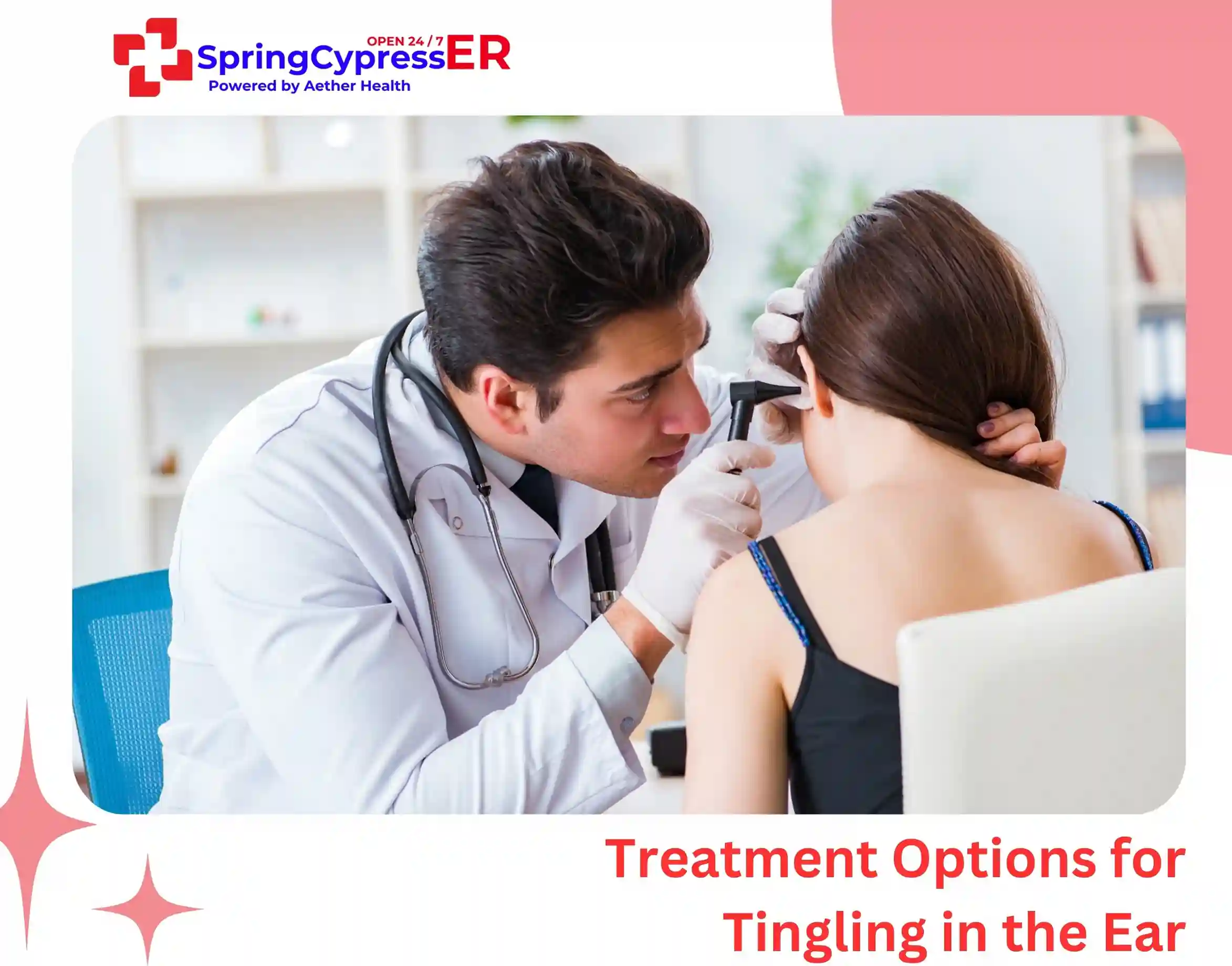
- Otoscope exam: The doctor uses an otoscope to examine your ear for swelling, redness, or infection.
- Earwax evaluation: They check if hardened or excess wax is blocking the ear canal.
- Eustachian tube function check: The doctor looks for signs of pressure problems or blockage behind the eardrum.
- Infection assessment: They check for fluid, swelling, or irritation that may signal an outer or middle ear infection.
- Neurological screening: The doctor tests the nerves in your face, jaw, and neck to see if irritation is causing tingling.
- Imaging or hearing tests (if needed): Tests like hearing exams or scans may help when symptoms are severe, long-lasting, or unclear.
Treatment Options for Tingling in the Ear
1. Earwax Removal
- Warm ear drops to soften wax
- Gentle irrigation to wash the wax out
- Manual removal by a medical professional
2. Treating Allergies or Sinus Issues
If congestion is creating pressure in the ear, treatment focuses on clearing the nose and sinuses.
Your doctor may recommend:
- Antihistamines
- Decongestants
- Nasal steroid sprays
- Saline rinses
3. Home Remedies That Can Help
Mild cases often improve with simple, safe home steps.
Useful options include:
- Warm compresses on the ear or jaw
- Staying hydrated to thin mucus
- Steam inhalation to ease sinus pressure
- Jaw stretches or relaxation exercises
- Avoiding loud noise and long earbud use
Prevention Tips
Protect your ears with these habits:
- Keep your ears clean, but avoid putting cotton swabs inside the canal
- Treat colds, allergies, and sinus issues early
- Stay hydrated to keep mucus thin and moving
- Take breaks from earbuds and loud music
- Maintain good posture to reduce neck and jaw tension
- Manage stress to prevent jaw clenching or grinding
- Use a humidifier during dry weather
- Avoid smoking, which can irritate the Eustachian tube
Conclusion
Tingling in the ear usually stems from minor, treatable causes. Pay attention to how long symptoms last and whether pain, hearing changes, or other warning signs develop. If tingling persists, worsens, or appears suddenly with concerning symptoms, Spring Cypress ER provides complete evaluation with on-site diagnostic capabilities. Our team identifies the cause and delivers effective treatment any time you need it.
Frequently Asked Questions
1. Why is my ear tingling suddenly?
A sudden tingling in the ear often comes from earwax buildup, pressure changes, or irritation from a cold or allergies. Most causes are minor, but a doctor can check if the tingling keeps coming back.
2. Does left ear tingling mean something serious?
Left ear tingling usually has the same medical causes as right ear tingling. It often comes from pressure, nerves, or congestion. It rarely indicates a serious condition unless it occurs with pain, hearing loss, or dizziness.
3. Can stress or anxiety cause tingling in the ears?
Yes, stress can tighten the jaw and neck muscles, irritating nearby nerves and causing tingling in the ears. Many people notice tingly ears during periods of high tension.
4. Can headphones or earbuds trigger ear tingling?
Yes, tight headphones or extended use of earbuds can irritate the ear canal and cause a tingling sensation. Taking breaks and lowering the volume can help reduce symptoms.
5. Why do my ears tingle when I’m sick?
When you’re sick, mucus blocks the Eustachian tube and changes the pressure in your ear. This pressure shift often causes ear tingling until the congestion clears.
Why Is the Outside of My Ear Numb?
Outer-ear numbness can be associated with temporary pressure, skin irritation, or sensory nerve irritation. If it persists, repeatedly returns, or occurs with other symptoms, consult a healthcare professional for an assessment.
Why Is My Ear Numb When I Wake Up?
Pressure on the ear during sleep may be one possible cause of temporary numbness. If the sensation does not resolve, keeps returning, or occurs with facial weakness, sudden hearing loss, or other concerning symptoms, seek appropriate medical care. Sudden facial weakness or other possible stroke symptoms require emergency attention.