

Over 10% of women experience spotting between periods during their reproductive years¹. This light bleeding between periods rarely indicates serious problems. However, persistent spotting deserves investigation.
Hormonal changes, ovulation, and stress account for most spotting episodes. Infections, polyps, and thyroid issues also trigger unexpected bleeding.
Distinguishing normal spotting from warning signs prevents delayed diagnosis of treatable conditions. This guide explains common causes of spotting, diagnostic approaches, and specific symptoms that require immediate medical attention.
What Counts as Spotting?
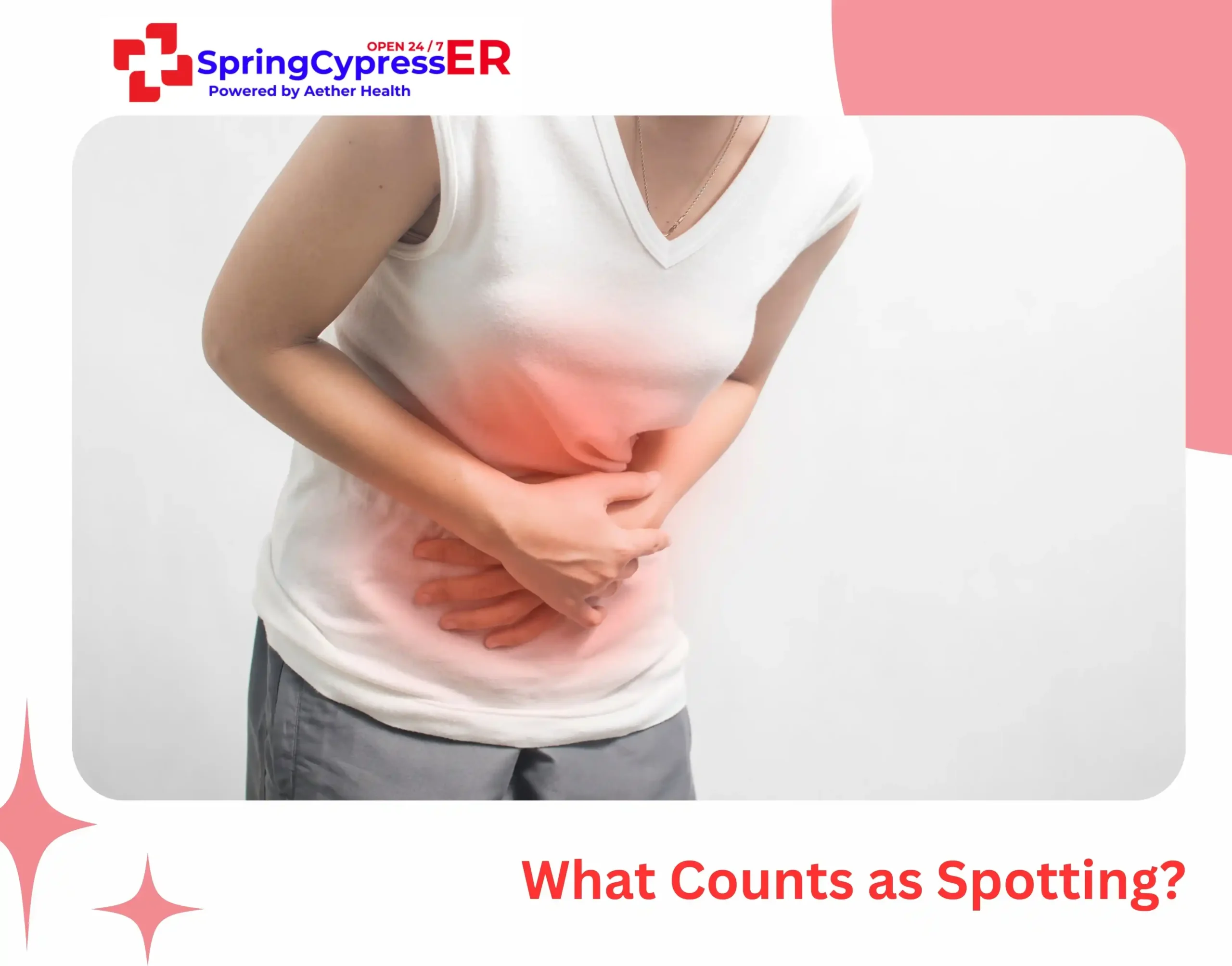
Spotting between periods looks like very light bleeding. You might see:
- Pink, red, or brown stains in underwear
- A few drops when wiping
- Light bleeding that never becomes a full flow
This bleeding occurs outside your standard menstrual cycle window, either before your next cycle starts or after a period has already ended.
Common Causes of Spotting Between Periods
Spotting between periods doesn’t show up out of nowhere. Your cycle reacts to hormones, lifestyle shifts, and sometimes underlying health issues. Let’s examine the most common causes of spotting between periods, so you can understand what your body might be trying to tell you.
1. Hormonal Fluctuations
Your hormones run the menstrual cycle. When estrogen or progesterone shifts too quickly, your uterine lining may shed a little early.
This often happens with:
- Puberty
- Perimenopause
- Stress
- Sudden weight changes
- Thyroid irregularities
Even birth control changes can trigger irregular bleeding for a few weeks.
2. Ovulation
Some women bleed a little around day 14 of their cycle. The ovary releases an egg, hormones rise and fall, and tissue sheds lightly. It’s short, it’s harmless, and it usually comes with mild cramping.
3. Pregnancy-Related Changes
Light bleeding may happen in early pregnancy. Sometimes, it appears as implantation bleeding or a light stain that typically occurs around the expected date of implantation. If you suspect you are pregnant, take a test right away.
4. Infections
Vaginal or cervical infections irritate fragile tissue and cause spotting between periods. This includes:
- Yeast infections
- Bacterial vaginosis (BV)
- Sexually transmitted infections (like chlamydia or gonorrhea)
Along with spotting, infections typically cause itching, odor, pain, or changes in discharge.
5. Uterine or Cervical Conditions
Polyps, fibroids, or endometriosis can lead to irregular bleeding or spotting between periods. Polyps are small, benign growths in the uterus or cervix, while fibroids are larger muscle tumors. Endometriosis occurs when tissue similar to the uterine lining grows outside the uterus. They don’t always hurt, so don’t ignore spots that keep returning.
6. Perimenopause
During perimenopause, typically in your 40s, hormone levels fluctuate as the body transitions toward menopause. These shifts can make menstrual cycles irregular and cause unexpected spotting or light bleeding between periods. Other symptoms may include hot flashes, mood swings, and sleep disturbances. While this is a normal stage of life, unusual bleeding should still be checked to rule out other conditions.
7. Medications
Certain medications can cause spotting or irregular bleeding. Blood thinners can make even minor uterine shedding noticeable. Hormonal therapies, such as birth control pills or hormone replacement therapy, can cause breakthrough bleeding, especially when starting, stopping, or switching doses.
8. Rare but Serious Causes
Most cases turn out harmless, but abnormal vaginal bleeding sometimes links to:
- Ectopic pregnancy
- Miscarriage
- Cervical or uterine cancer
This does not mean spotting after period is cancer. It just means persistent bleeding deserves a check-in.
Why Am I Spotting One or Two Weeks After My Period?
Spotting one or two weeks after your period can happen for several reasons, including ovulation, hormonal changes, birth control, pregnancy, or an underlying reproductive health condition. The timing of the bleeding can offer clues, but it cannot confirm the cause on its own.
Why Am I Spotting Two Weeks After My Last Period?
One possible explanation is ovulation spotting. Ovulation occurs when an ovary releases an egg, often around the middle of the menstrual cycle. Some people notice a small amount of light bleeding around this time.
However, ovulation does not always occur on day 14. The timing depends on your individual cycle, and the first day of your period—not the day your period ends—is counted as day one.
Other possible causes include hormonal contraception, irregular ovulation, cervical irritation, infections, and pregnancy-related bleeding. If pregnancy is possible, consider taking a pregnancy test according to its instructions.
Why Am I Spotting One Week After My Period?
Spotting one week after your period may be related to hormonal fluctuations, the start or adjustment of birth control, or bleeding from the cervix or reproductive tract. In some cases, an underlying condition, such as a uterine polyp or infection, may be responsible.
The number of days since your last period is only one part of the picture. Your usual cycle length, the amount and duration of bleeding, medications, pregnancy possibility, and other symptoms can help a healthcare professional assess the cause.
When Should You Get Checked?
Arrange a medical evaluation for unexplained bleeding between periods, particularly if it keeps returning, occurs after sex, or comes with pelvic pain or unusual vaginal discharge. If you are pregnant or could be pregnant, seek medical advice about vaginal bleeding.
Seek emergency medical care for heavy bleeding accompanied by fainting, significant dizziness, or severe abdominal or pelvic pain, especially when pregnancy is possible.
Remember: Spotting at a particular point in your cycle does not automatically mean that ovulation or another specific condition is responsible. A healthcare professional can help determine the cause based on your symptoms and medical history.
When Should You See a Doctor?

Reach out to a doctor if you:
- Experience unexplained spotting between periods, especially if it keeps recurring
- Have heavy or painful bleeding
- Notice bleeding after sex
- Are pregnant or think you might be
- Feel pelvic pain or discomfort
- See spotting after menopause
Your peace of mind matters, and minor symptoms sometimes hide big answers.
How Doctors Diagnose the Cause
A doctor may:
- Review your cycle history
- Do a pelvic exam
- Run blood tests (hormones, thyroid, pregnancy)
- Order a pelvic ultrasound
- Screen for infections
- Perform a Pap smear (if due)
The goal? Understand why it’s happening instead of guessing.
What Should You Track Before Seeing a Doctor About Spotting?
Keeping a record of your bleeding can help your healthcare professional understand your symptoms and decide whether further testing is needed.
Before your appointment, try to record:
- Cycle timing: The first day of your last period, when the spotting started, and whether your cycles are usually regular.
- Bleeding amount: Whether you noticed a few spots, needed a liner, or experienced bleeding similar to a period.
- Duration and frequency: How long the spotting lasted and whether it has happened in previous cycles.
- Other symptoms: Note any pelvic pain, cramps, fever, dizziness, unusual discharge, or bleeding after sex.
- Pregnancy possibility: Mention whether pregnancy is possible and whether you have taken a pregnancy test.
- Medications and contraception: Include hormonal birth control, recent changes in contraception, and any blood-thinning medication.
- Relevant medical history: Tell your healthcare professional about previous reproductive health conditions, procedures, or similar episodes.
Your healthcare professional may use this information alongside your medical history and examination to determine whether a pregnancy test, blood work, infection testing, ultrasound, or another investigation is appropriate.
You do not need to wait until you have a complete symptom diary to seek care. If the bleeding is heavy, you feel faint, or you have severe pain, seek urgent medical attention instead of delaying care to collect more information.
Treatment Options
Once the cause of spotting becomes clear, treatment focuses on restoring hormonal balance, managing underlying conditions, and preventing future episodes. Below are the most common medical and lifestyle approaches your provider may recommend.
- Hormonal therapy or birth control adjustments
- Antibiotics for infections
- Fibroid or polyp removal if needed
- Thyroid medication
- Lifestyle and stress management
Sometimes, you don’t need treatment at all; monitoring and good cycle tracking do the job.
Quick Tips to Manage Spotting at Home
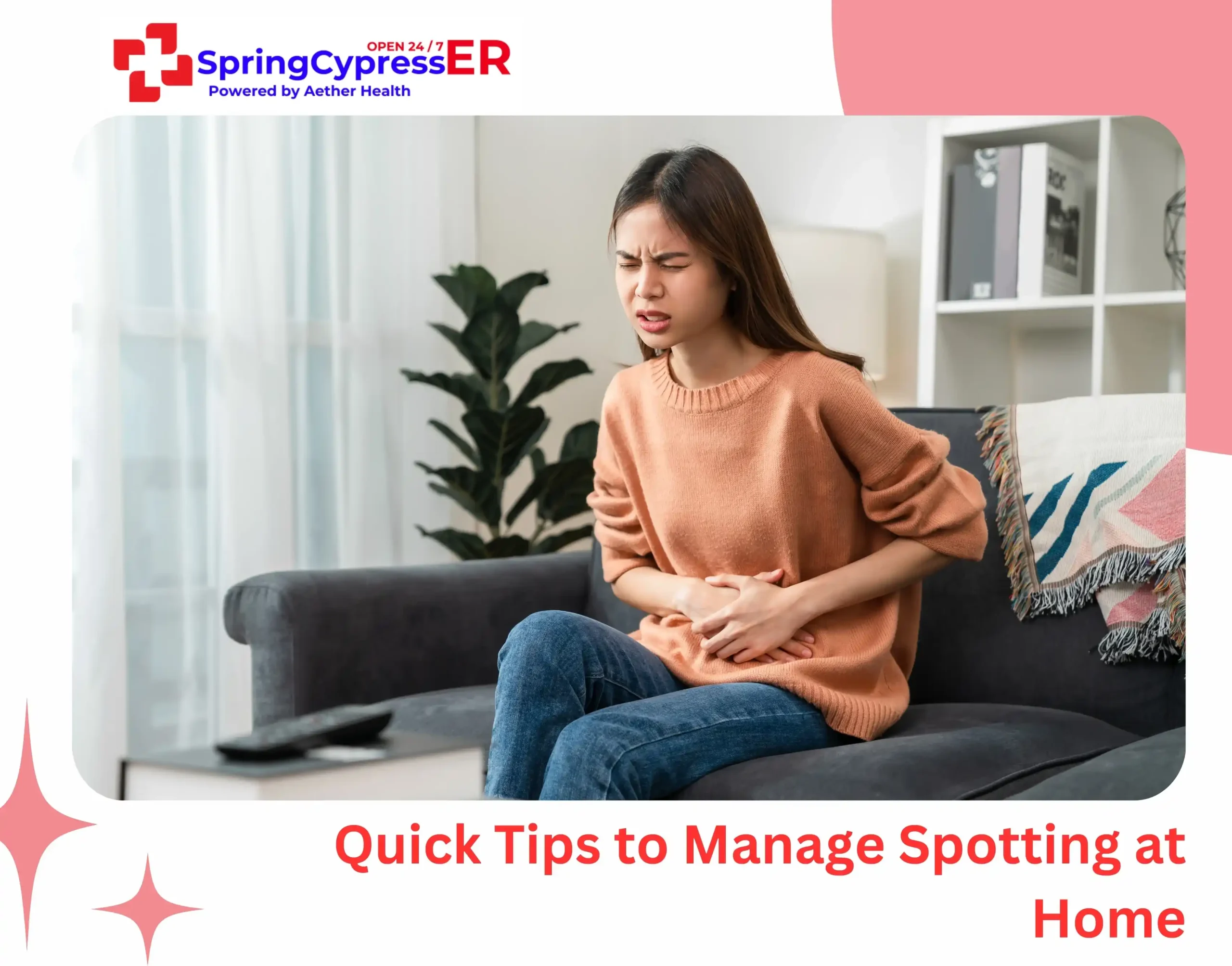
While medical guidance plays a key role, a few simple habits can support your cycle and help you stay aware of any changes. These at-home strategies make it easier to monitor symptoms and maintain overall reproductive health.
- Track your cycle in an app
- Note changes in discharge, pain, or stress levels
- Stay hydrated and manage stress
- Avoid self-medicating without a doctor’s input
Small habits can help you spot patterns faster.
How Can You Manage Spotting and Reduce the Bleeding?
The best way to manage spotting between periods depends on its cause. There is no single home remedy that safely stops all types of spotting. Light bleeding may not require treatment once a healthcare professional has ruled out a concerning cause.
What Can You Do When You Notice Spotting?
- Use a panty liner or light pad: This can help manage small amounts of blood and make it easier to monitor changes.
- Track the bleeding: Record when it starts, how long it lasts, the approximate amount, and whether you notice pain or other symptoms.
- Review recent medication changes: Starting, stopping, or changing hormonal birth control may affect your bleeding pattern. Ask your healthcare professional whether any adjustment is appropriate.
- Consider pregnancy if relevant: If pregnancy is possible, take a pregnancy test according to its instructions and contact a healthcare professional for advice.
- Arrange an evaluation if bleeding persists or recurs: Do not rely on home remedies to treat unexplained bleeding.
Can You Make Spotting Lighter?
You may not be able to reduce spotting immediately without knowing what is causing it. Treatment depends on the underlying issue. A healthcare professional may recommend monitoring, adjusting a contraceptive method, treating an infection, or investigating another condition, depending on the findings.
Do not start hormonal medication or use someone else’s prescription to stop spotting. Do not stop prescribed blood thinners or other medication without medical advice.
When Is Home Management Not Enough?
Seek medical advice for unexplained bleeding between periods, particularly if it repeatedly occurs, follows sex, or is accompanied by pain or unusual discharge. Bleeding after menopause requires evaluation.
Seek emergency care if bleeding is very heavy or occurs with fainting, significant dizziness, or severe abdominal or pelvic pain. If you may be pregnant, bleeding with severe pain or faintness can indicate a serious complication.
Managing spotting at home can help you stay comfortable and record symptoms, but it should not replace medical evaluation when the cause is uncertain.
Conclusion
Spotting between periods can leave you worried, but your body usually responds to hormonal changes, stress, or natural fluctuations. Still, never brush off persistent symptoms; your health always deserves attention. If the bleeding persists or symptoms feel severe, consult a healthcare professional. At the Aether Health – Spring Cypress ER, our 24/7 emergency physicians use on-site imaging and lab services to identify the cause of spotting and provide immediate care.
Frequently Asked Questions
1. Is spotting between periods normal?
Yes, it can be. Hormonal changes, ovulation, stress, or adjustments in birth control often cause light spotting after period, and in many cases, it isn’t serious. If it continues to happen or feels unusual for your body, it’s best to consult with a healthcare provider.
2. How long does spotting between periods last?
Most spotting lasts anywhere from a few hours to a couple of days. If the bleeding continues longer than that or becomes heavy, you should seek medical advice.
3. Can stress cause spotting?
Yes, stress affects hormone levels, which can disrupt the menstrual cycle and lead to unexpected spotting. Managing stress and getting sufficient rest can help regulate bleeding patterns.
4. Is spotting after my period ends normal?
A small amount of light pink or brown discharge for a day or two after your period can happen as your body clears the last bit of menstrual tissue. Persistent spotting several days after your period or spotting that repeats every cycle may need medical evaluation.
5. When should I worry about spotting?
You should contact a doctor if spotting happens frequently, occurs after sex, appears during pregnancy, or shows up after menopause. Any spotting accompanied by sharp pain, fever, dizziness, or unusual discharge also requires prompt medical attention.